A Wooden Crucifix in the Home: Creating a Quiet Place for Prayer
Some objects in a home are noticed immediately, while others become meaningful through daily familiarity. A wooden crucifix often belongs to the second kind. It may hang above a small prayer table, rest near a family Bible, or quietly mark a place where someone pauses at the beginning or end of the day. Its purpose is not to make a room feel crowded with religious decoration. Rather, it gives the eye and heart a steady place to return.
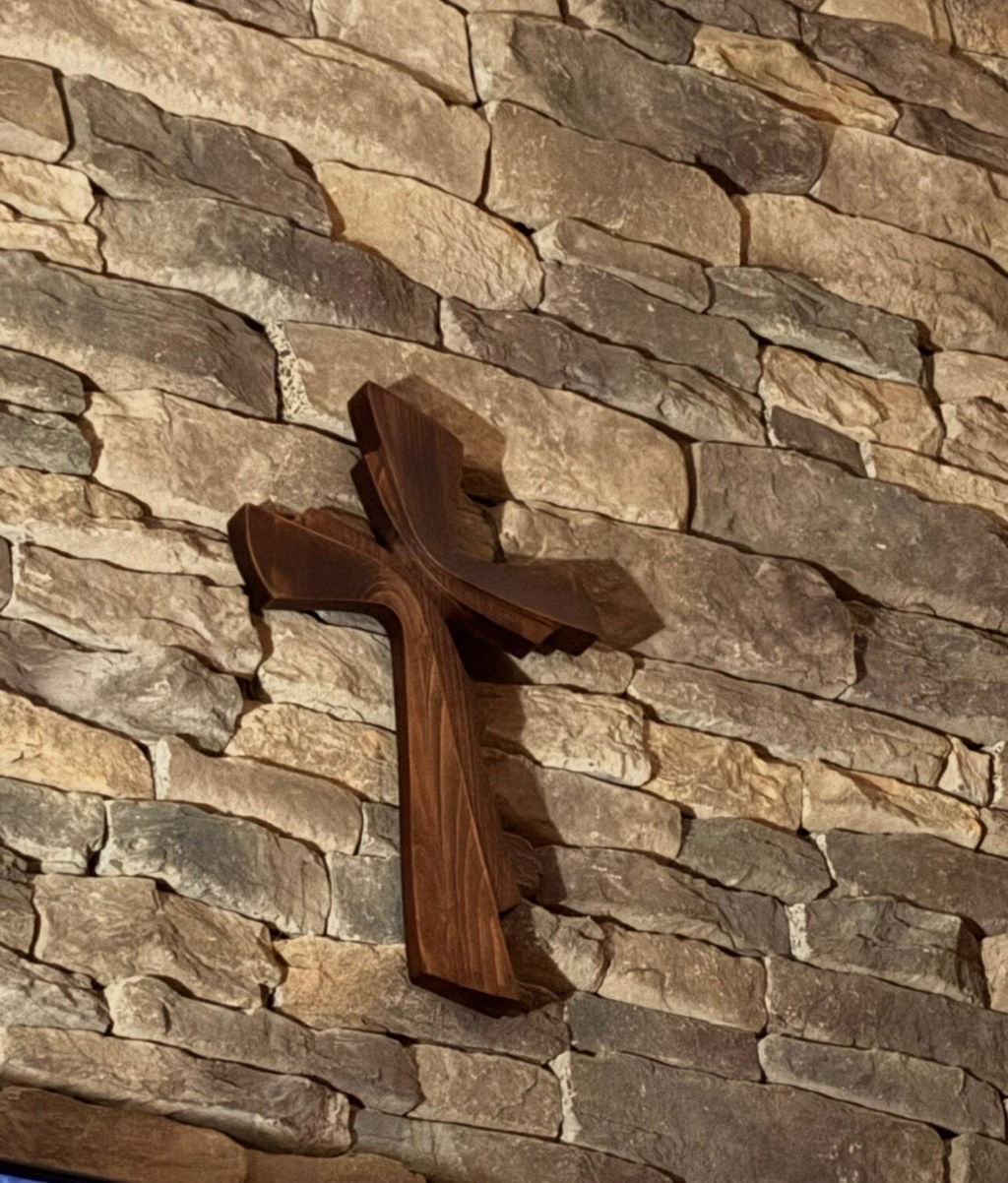
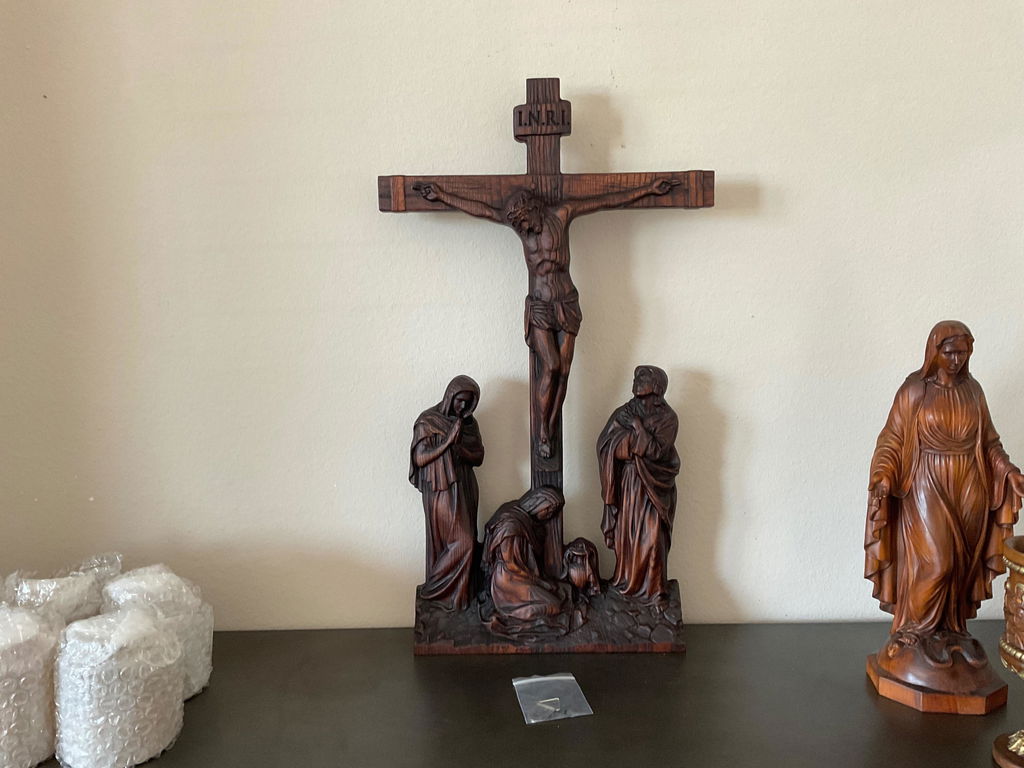
The BGCOPPER hand-carved solid wood crucifix brings together a central Christian image and the natural character of carved wood. The figure of Christ and the form of the Cross are presented as a single devotional object, suitable for a personal prayer corner, a shared family space, or a meaningful gift. Looking closely at a piece like this also invites a broader reflection: why has the crucifix remained so important in Christian and especially Catholic homes?
The crucifix as a sign of sacrificial love
A cross and a crucifix are closely related, but they place emphasis in slightly different ways. A crucifix includes the figure of Christ, directing attention toward the Passion and the self-giving love at the center of the Christian story. For many Catholic families, it is both a profession of faith and a companion to prayer. It does not remove suffering from view; instead, it places suffering within a story of love, mercy, and hope.
This symbolism can be especially meaningful in ordinary domestic life. Homes hold celebration, work, illness, disagreement, hospitality, and rest. A crucifix within that setting can serve as a quiet reminder that faith is lived amid those real experiences. It can invite gratitude during peaceful seasons and offer a visual point of reflection when words are difficult.

Why wood feels at home in a devotional space
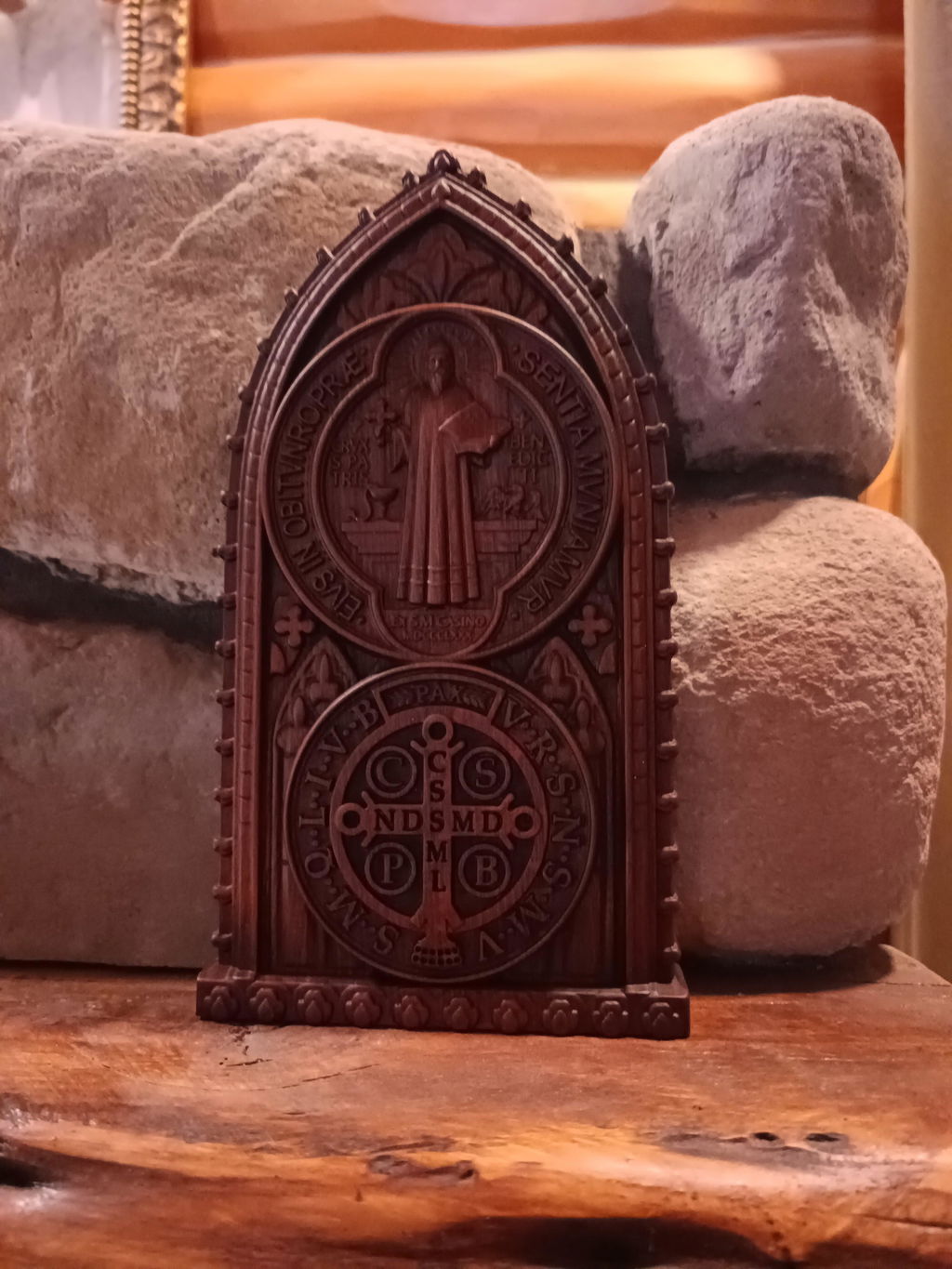
Natural wood has a warmth that works gently with many interiors. Its grain and tonal variation keep the surface from feeling mechanically uniform, while carved relief responds subtly to changing light. In a devotional object, these qualities can encourage attentive looking without adding unnecessary visual noise. The result feels grounded, tactile, and closely connected to the long tradition of sacred carving.
Wood also carries an appropriate simplicity for the subject. The material does not need a highly polished or elaborate setting to feel significant. In the solid wood crucifix shown here, the visible carving gives form and depth to the image while allowing the wood itself to remain part of the experience. Small differences in grain and tone are natural characteristics rather than distractions from the design.
Hand-carved details reward a slower kind of attention. The contours of the figure, the lines of the Cross, and the shadows created by raised areas become more apparent when viewed nearby. This makes the object appropriate not only as wall decor but also as a focus for a few quiet minutes of prayer, Scripture reading, or examination of conscience.

Creating a simple Christian prayer corner
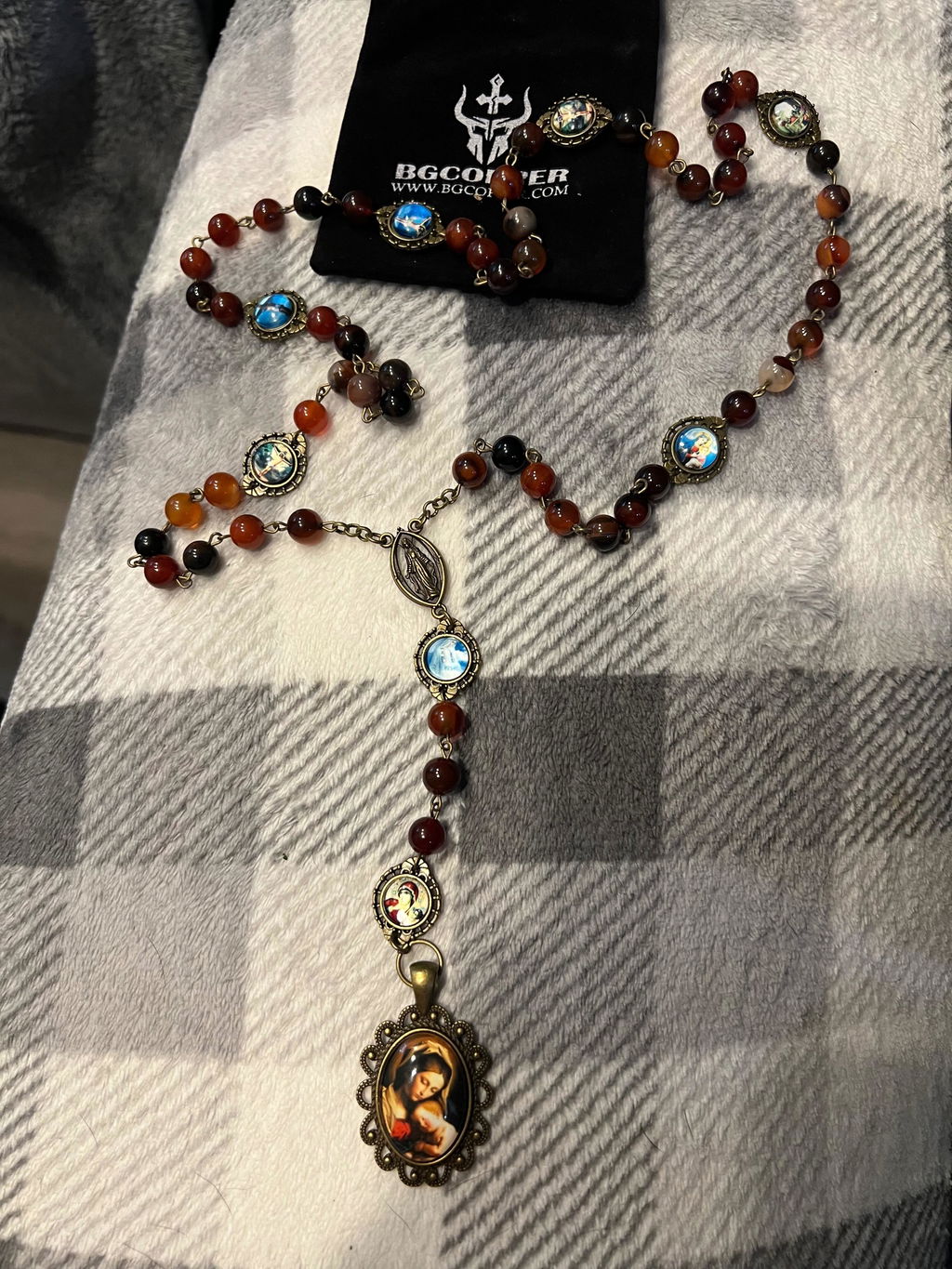
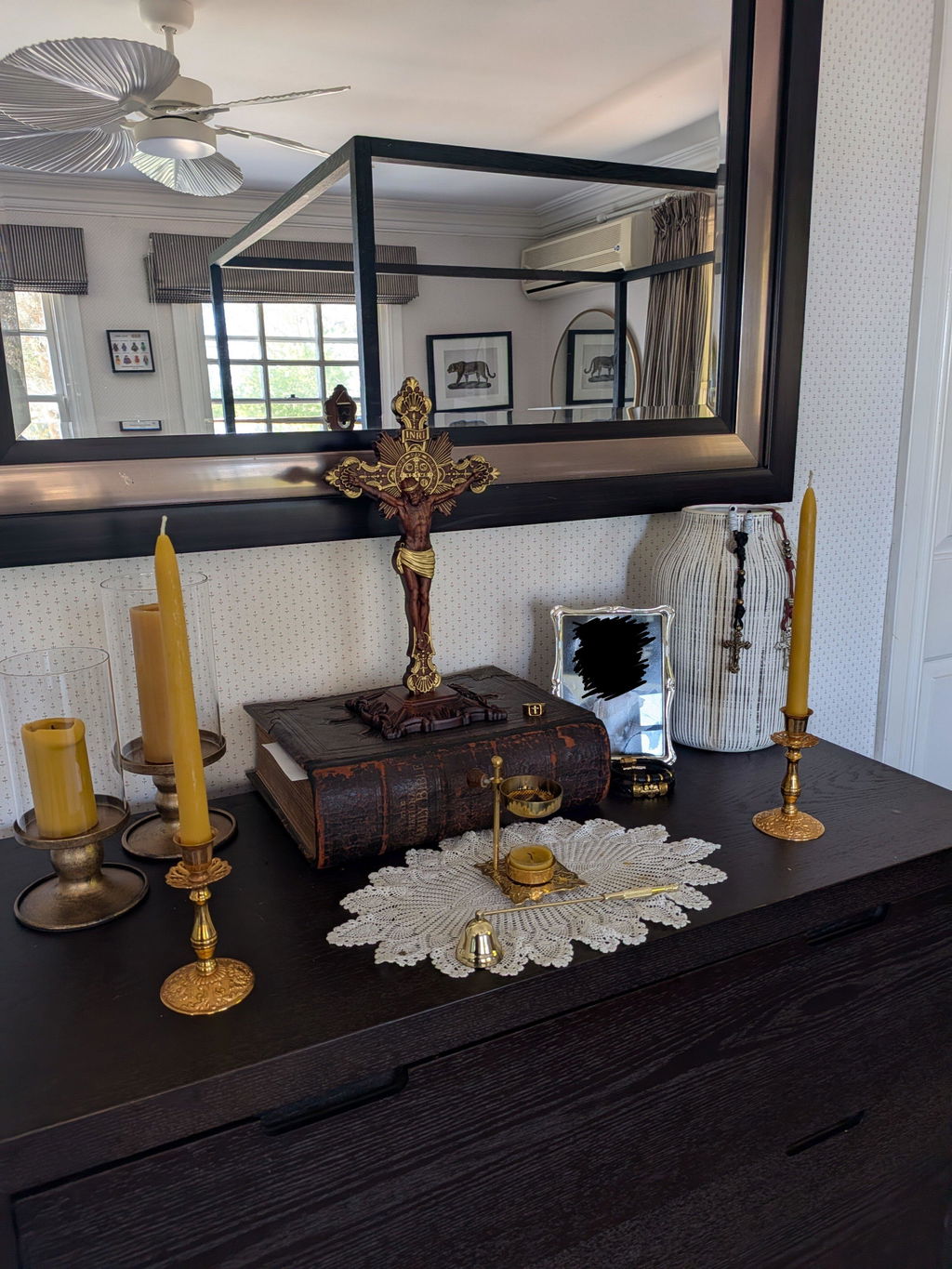
A home prayer corner does not need to be large or formal. It can begin with a clear surface, a comfortable place to sit or stand, and one central sacred image. A crucifix may be placed where it can be seen without competing with busy artwork or screens. A Bible, rosary, prayer book, or small cloth can be added according to the household’s devotional habits.
Lighting matters more than quantity. Soft daylight or a nearby lamp can reveal the carved form and create a calm atmosphere. If candles are part of the family’s practice, they should be positioned with suitable distance and normal fire safety in mind. The aim is not to reproduce a church interior, but to establish a modest place that supports attention and regularity.
Placement can follow the rhythm of the household. A bedroom corner may support private morning and evening prayer. A living room or hallway can make the crucifix part of shared family life. A quieter study may suit reading and reflection. Wherever it is placed, leaving some open space around the carving helps it remain visually distinct and gives the setting a sense of rest.
Working with different home styles
Christian home decor can feel traditional without being ornate. A wooden crucifix naturally complements warm neutrals, linen, stone, pottery, and other organic textures. Against a light wall, the darker carved form can become a restrained focal point. In a room with deeper colors or rustic furnishings, it can blend into the environment while retaining its symbolic presence.
It also works in a simpler contemporary room. The key is to avoid treating every nearby object as decoration. One meaningful piece, placed thoughtfully, often communicates more clearly than a crowded arrangement. The Cross should remain the center of the composition, while surrounding objects support prayer rather than compete for attention.

A faith-inspired gift with lasting purpose
A crucifix can be a thoughtful gift when the occasion has a clear spiritual meaning. It may mark a Baptism, First Communion, Confirmation, wedding, housewarming, ordination anniversary, Easter, or Christmas. It can also be offered more quietly to someone beginning a prayer practice, moving into a new home, or passing through a season when a visible reminder of faith would be welcome.
The most considerate approach is to think about the recipient’s tradition and space. A Catholic household may already have a place for a crucifix, while another Christian family may have different preferences about sacred images. The meaning of the gift becomes clearer when it respects those practices. A brief handwritten note explaining why the piece was chosen can add warmth without turning the gesture into something elaborate.
Because a devotional object may remain in a home for many years, it is worth choosing one for its clarity and quiet presence rather than novelty. Natural wood ages visually with its surroundings, and the central Christian symbolism does not depend on passing decorative trends.
A quiet invitation to return
The deepest value of a crucifix in the home is not measured by how dramatically it changes a room. Its influence is often quieter: it helps create a place to pause, remember, pray, and begin again. Carved in wood, the familiar image gains a tangible warmth suited to everyday surroundings.
For those considering a prayer corner or a faith-inspired gift, this hand-carved wooden crucifix from BGCOPPER offers one way to bring Christian symbolism into the home with restraint. Whether seen each morning or approached during a particular season of need, it can remain a steady invitation to reflection, gratitude, and prayer.