Creating a Prayerful Home with a Nativity Wood Carving
Christmas decor can fill a home with light, color, and familiar traditions, but the Nativity gives those traditions their center. Mary, Joseph, and the infant Jesus turn our attention from seasonal busyness toward a scene of humility, welcome, and hope. A carved Nativity plaque allows that scene to remain present without overwhelming a room. Its quiet form can support reflection during Advent and Christmas, while its meaning continues long after the decorations are put away.
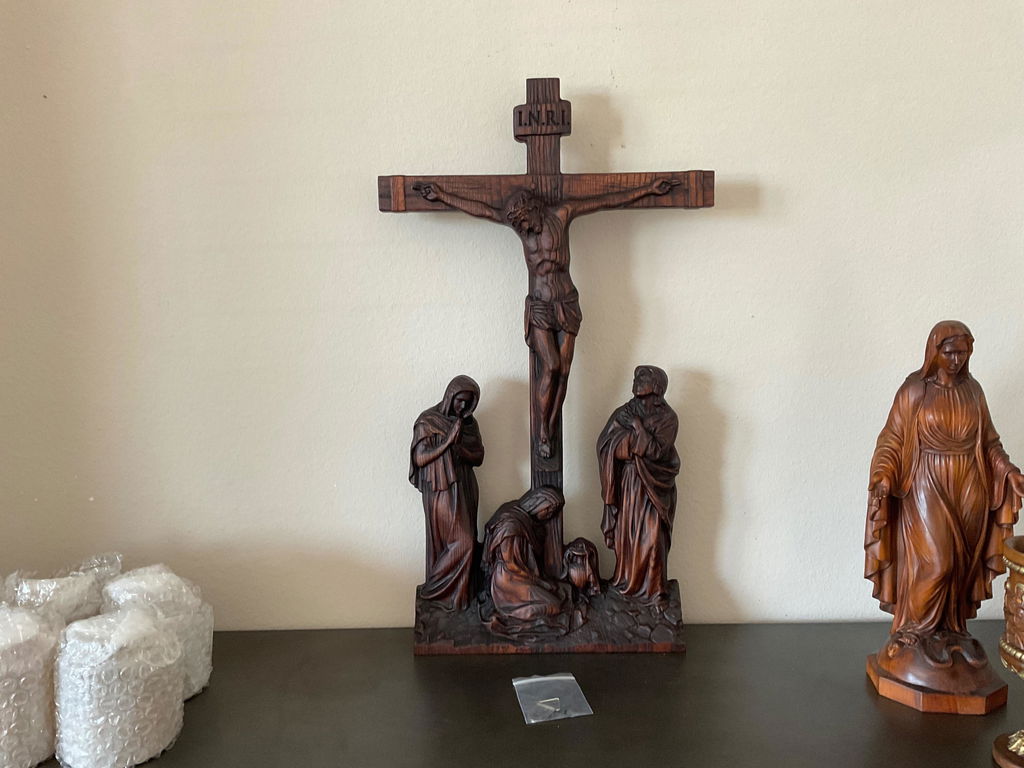
The BGCOPPER Nativity scene wood carving gathers the Holy Family, shepherds, wise men, and the guiding star into one composition. Rather than treating the Nativity as a decorative theme alone, the carving offers a visual way to remember the story Christians return to each Christmas: Christ entering the world in simplicity.
The Nativity as a Story of Humility and Welcome
At the heart of a Nativity scene is a striking contrast. The child Christians recognize as Christ is not shown in a palace but in a humble place, surrounded by people who come to receive rather than impress. Mary and Joseph suggest faithful care; the shepherds represent ordinary people called into the story; and the wise men evoke a long journey guided by attention and hope.
These figures can invite different kinds of reflection. A family may think about hospitality and the people who need room at the table. Someone praying alone may focus on Mary’s trust, Joseph’s steady presence, or the shepherds’ willingness to respond. The star can become a simple reminder to look for guidance when the next step is not yet clear. Christian and Catholic homes may approach these details through different devotional customs, but the central scene remains accessible: God meets human life through vulnerability, closeness, and love.

Why Wood Feels at Home in Sacred Decor
Wood has a natural warmth that works especially well in spaces intended for prayer and rest. Grain, tone, and carved contours soften the visual presence of an object, allowing it to sit comfortably beside books, textiles, candles, or greenery. Unlike highly reflective materials, wood tends to absorb light gently. This can help a religious image feel grounded and calm rather than formal or distant.
Carving also asks us to notice shape and shadow. The folds of clothing, outlines of faces, and relationship between foreground and background become clearer as daylight changes. Those small shifts reward slow looking. In a culture of fast-moving images, a wooden relief can encourage a different pace: pause, observe, and return. The product description identifies this plaque as a hand-carved piece made from beech wood, details that suit the intimate character of the Nativity story without requiring excessive ornament.

Building a Simple Home Prayer Corner
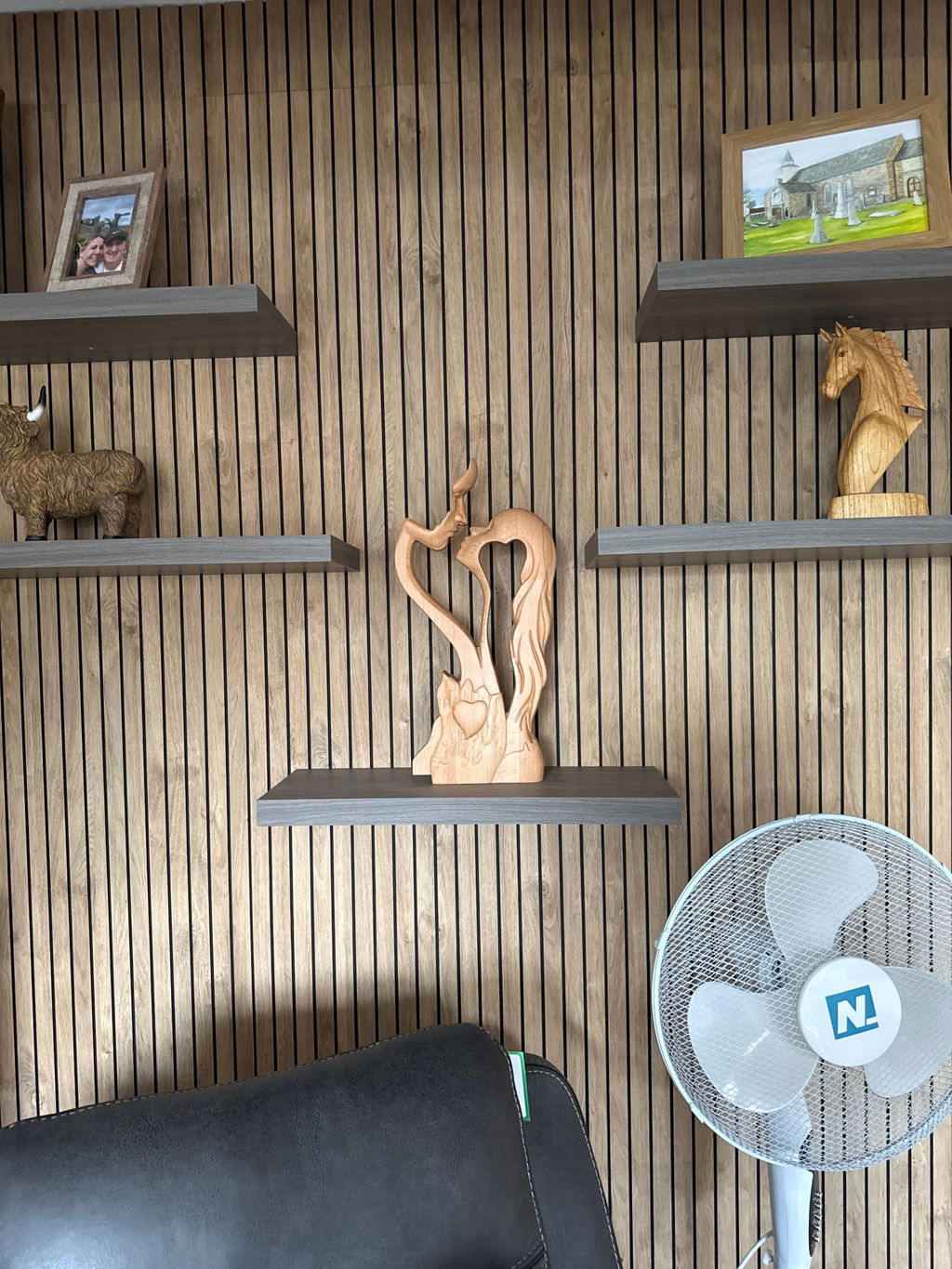
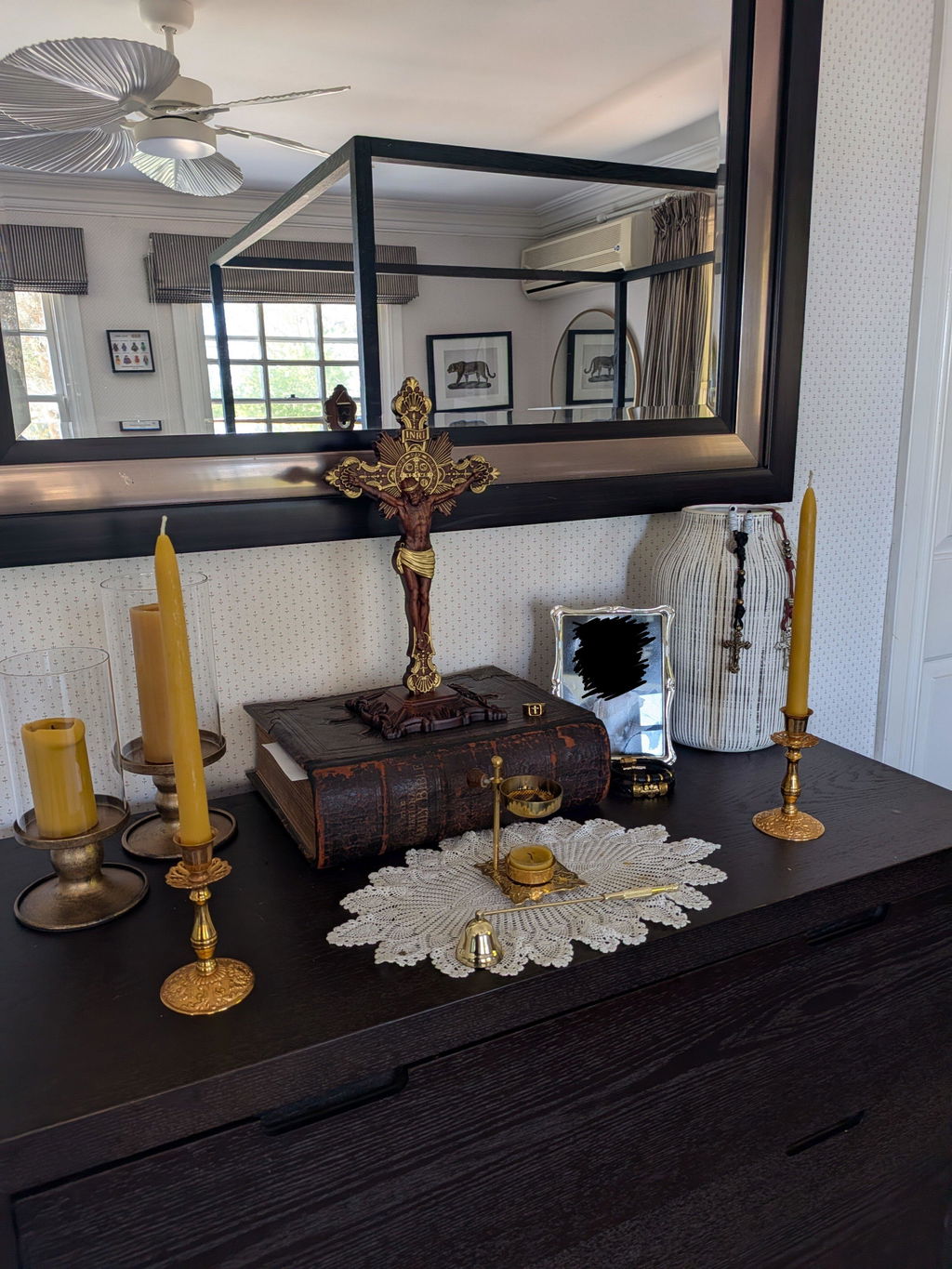
A prayer corner does not need to be large or elaborate. A quiet shelf, console, or section of a bookcase can become a meaningful place when it is arranged with intention. Begin with one clear focal point, such as a Nativity carving, and leave enough open space around it to avoid visual clutter. A Bible, prayer book, rosary, or small vase of seasonal greenery can be added according to personal practice.
Lighting matters as much as the objects themselves. Soft natural light can reveal the depth of carved details during the day. In the evening, a nearby lamp can create a peaceful atmosphere without placing heat or flame close to the wood. Families with children might position the scene where everyone can see it during shared prayer, while keeping the arrangement practical for daily life.
During Advent, the corner can support a gentle rhythm. A family might read a short passage from the infancy narratives, name something for which they are grateful, or pray for someone who needs welcome and care. On Christmas Day, the same place can hold a moment of thanksgiving before meals or gatherings. The scene does not have to disappear after the season; the carved Nativity plaque and its details can remain as a year-round reminder of incarnation, humility, and peace.
Styling Faith-Inspired Decor with Restraint
Religious home decor often feels most personal when it is integrated with the home rather than isolated from it. Natural wood pairs easily with neutral walls, linen, pottery, and traditional or rustic furnishings. Against a darker background, the carved surface may appear more defined; against a pale wall, it can create a softer and quieter effect.
Consider the sightline before choosing a location. A piece placed near the entryway can offer a small sign of welcome. In a living room, it can connect faith with ordinary family life. In a bedroom or study, it may support private prayer. For Christmas, evergreen branches or simple fabric can frame the scene, but restraint helps preserve its focus. The Nativity already contains a complete visual narrative, so it does not need many competing accents.

A Meaningful Gift for a Life of Faith
A Nativity carving can be a thoughtful gift when the occasion calls for something lasting but not overly personal. It may suit a newly married couple creating a Christian home, a family beginning an Advent tradition, grandparents who enjoy sacred art, or friends setting aside a place for prayer. It can also mark a housewarming or Christmas gathering with an object connected to shared belief rather than passing trends.
The most meaningful presentation is often simple. A handwritten note might explain why a particular part of the Nativity story brought the recipient to mind. For a family, the note could suggest a yearly ritual, such as reading the Christmas story together when the carving is displayed. For someone going through uncertainty, the star and the travelers may gently express companionship and hope without making grand promises.
Keeping the Christmas Story Close
The value of sacred art is not that it replaces prayer, Scripture, or community. Its role is quieter: it helps attention return. A Nativity wood carving can interrupt the rush of the season and bring the eye back to a child, a family, and visitors gathered in reverence. In a prayer corner or shared living space, it becomes a visual invitation to practice humility, hospitality, and gratitude.
That invitation is relevant in December, but it is not limited to December. The warmth of carved beech wood and the familiar Nativity figures can help the Christmas message live naturally within the home: not as a loud statement, but as a steady reminder that faith is often encountered in ordinary places.