The Good Shepherd in Christian Wood Carving: A Quiet Symbol of Care at Home
Some religious images speak through grandeur, while others invite a quieter kind of attention. Jesus holding a lamb belongs to the second tradition. The familiar scene is gentle and immediately recognizable: Christ appears not at a distance, but as a shepherd who knows, guides, and cares for those entrusted to him. Rendered as a Christian wood carving, the image gains an additional sense of warmth. Natural grain, hand-shaped contours, and small variations in the surface encourage the viewer to pause and look closely.
The Jesus the Shepherd wood carving from BGCOPPER brings this pastoral image into the home as wall decor. Its purpose need not be dramatic. It can simply create a visual point of reflection—a reminder of care during an ordinary morning, a quiet presence beside a family prayer space, or a meaningful detail in a room shaped by faith.

The Good Shepherd as a Christian Symbol
The shepherd is one of Christianity’s most enduring images of divine care. In John 10, Jesus describes himself as the Good Shepherd, presenting leadership not as control but as self-giving concern for the flock. Psalm 23 provides another familiar layer: the shepherd leads, restores, accompanies, and offers reassurance even through difficult passages. Together, these texts have shaped centuries of Christian prayer, art, and reflection.
The lamb held close to Christ can suggest tenderness toward anyone who feels vulnerable, weary, or lost. The shepherd’s crook, meanwhile, carries associations of guidance and watchfulness. Neither symbol needs an elaborate explanation to be meaningful. Their strength often lies in their simplicity: someone is being held, someone is attentive, and the journey is not faced alone.
For Catholic and Christian households, an image of the Good Shepherd may also encourage reflection on the character of spiritual care. Strength and gentleness are not opposites here. The shepherd guides without abandoning compassion. In a busy home, that visual message can become a small but steady invitation to practice patience, attentiveness, and care for others.
Why Carved Wood Feels at Home with Sacred Art
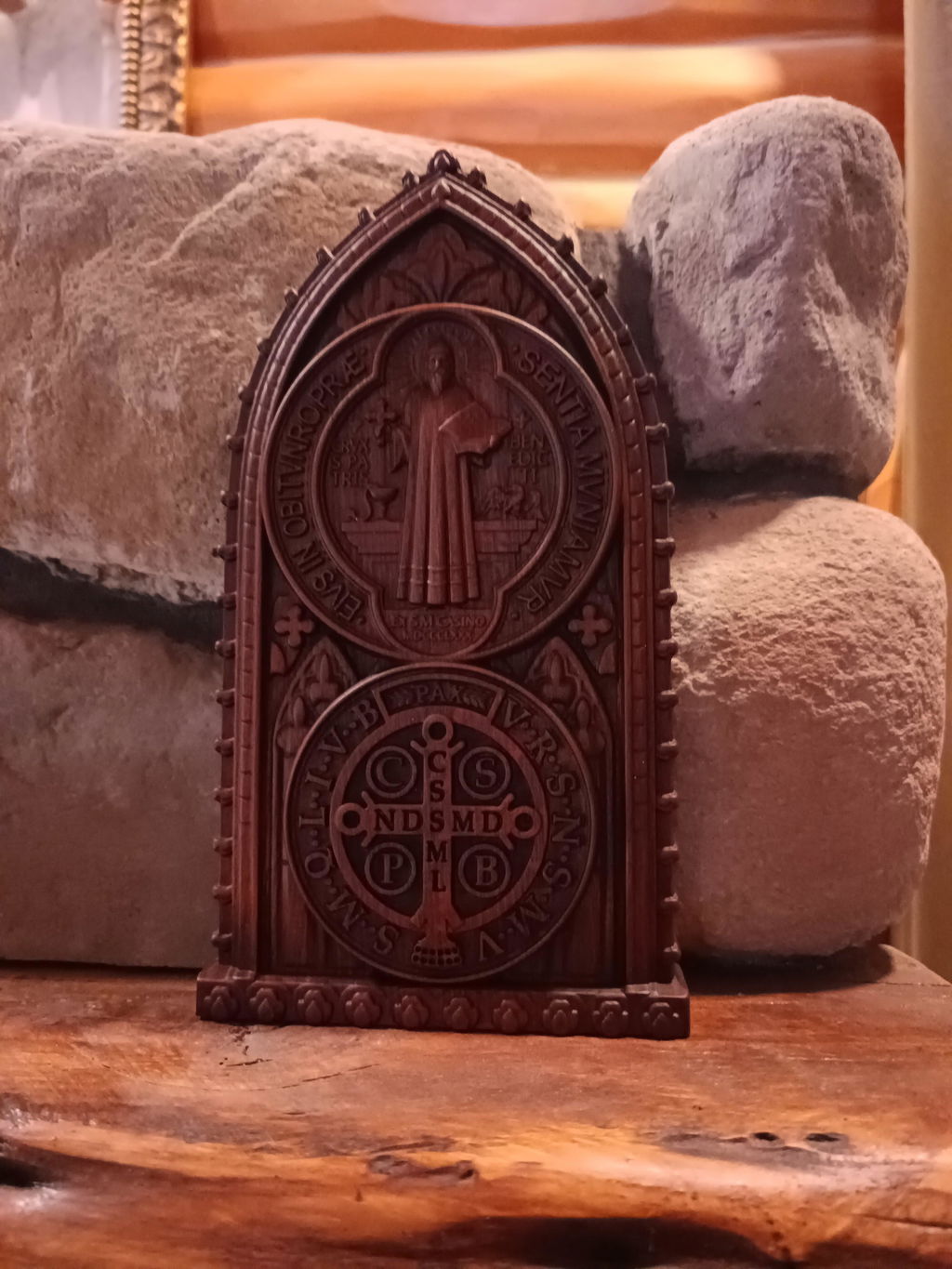
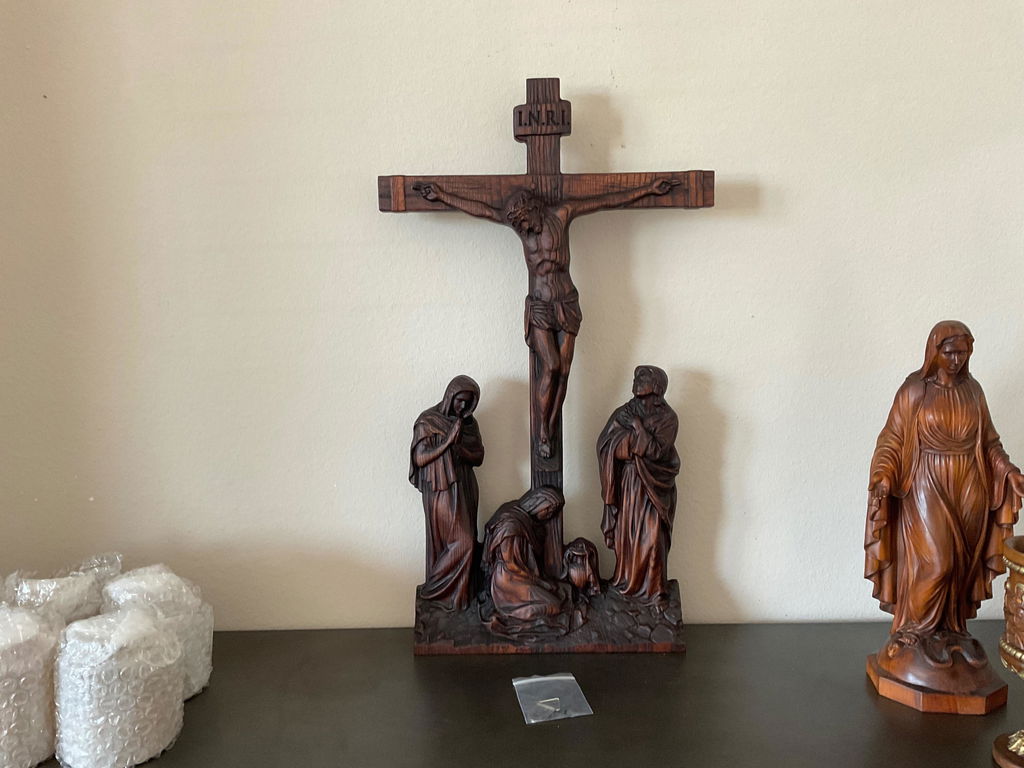
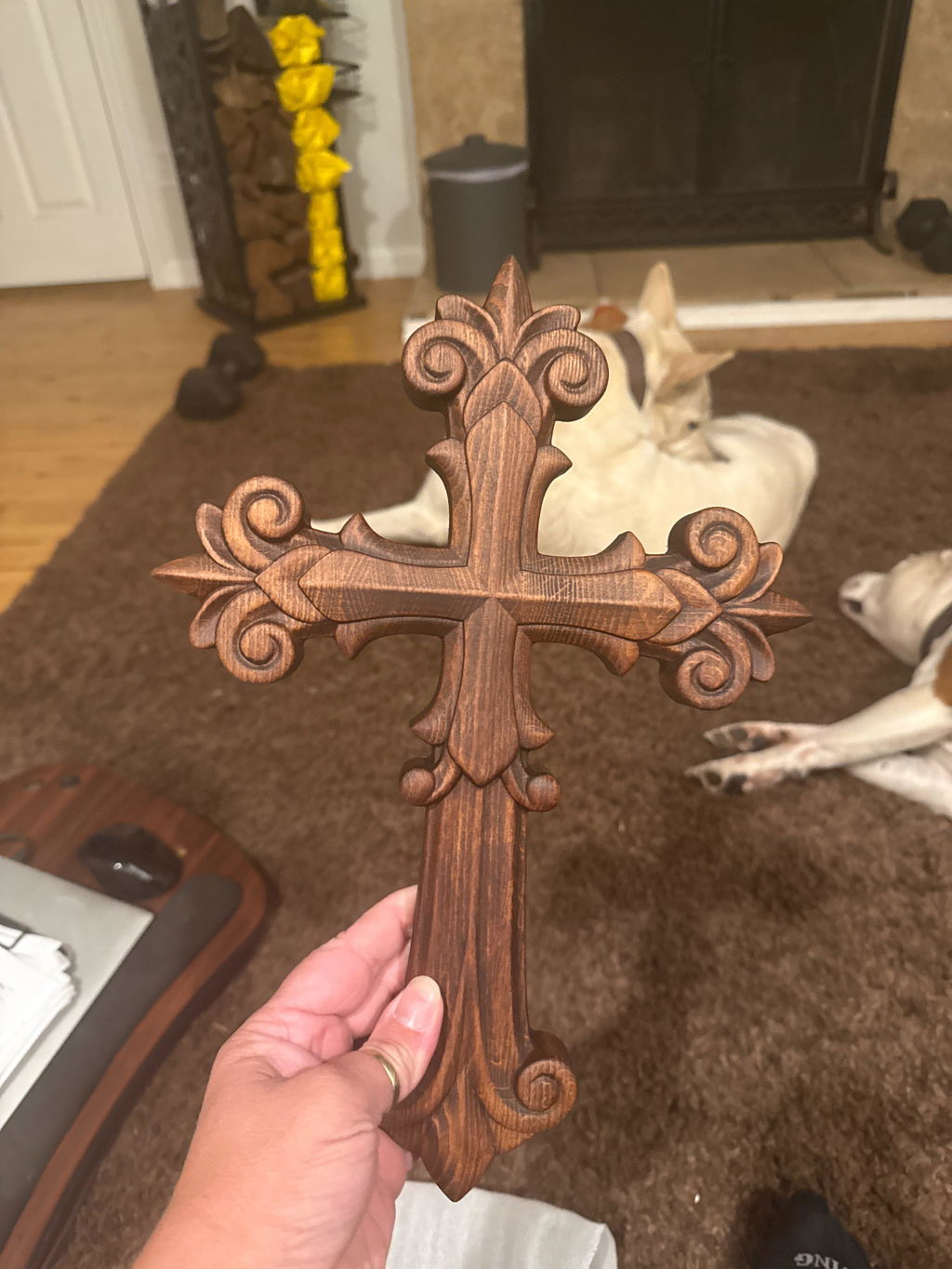
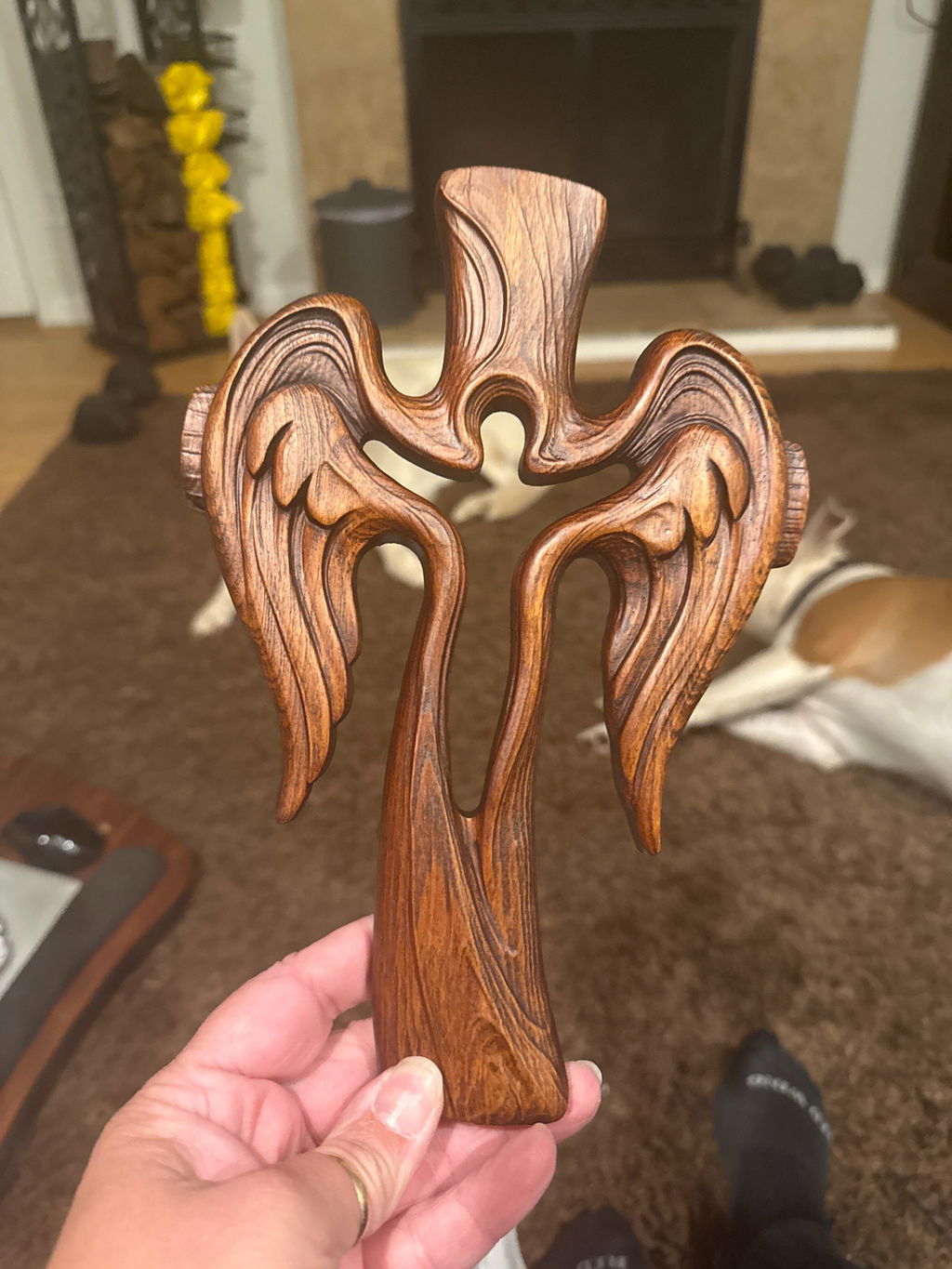
Wood has a direct, familiar quality. Its grain records natural growth, while carving reveals the patient work of shaping a surface into form. This makes carved wood especially suited to devotional decor. It feels substantial without necessarily feeling formal, and it can sit comfortably alongside books, woven textiles, candles, plants, or other natural materials.
This piece is described as hand-carved from natural ash wood and finished with a water-based coating. Details in the robe, lamb, and shepherd’s crook give the scene depth, while the visible character of the wood keeps the object connected to its material origins. Because hand-finished objects can show slight differences in color or texture, each carving may carry small variations rather than the absolute uniformity of a printed image.

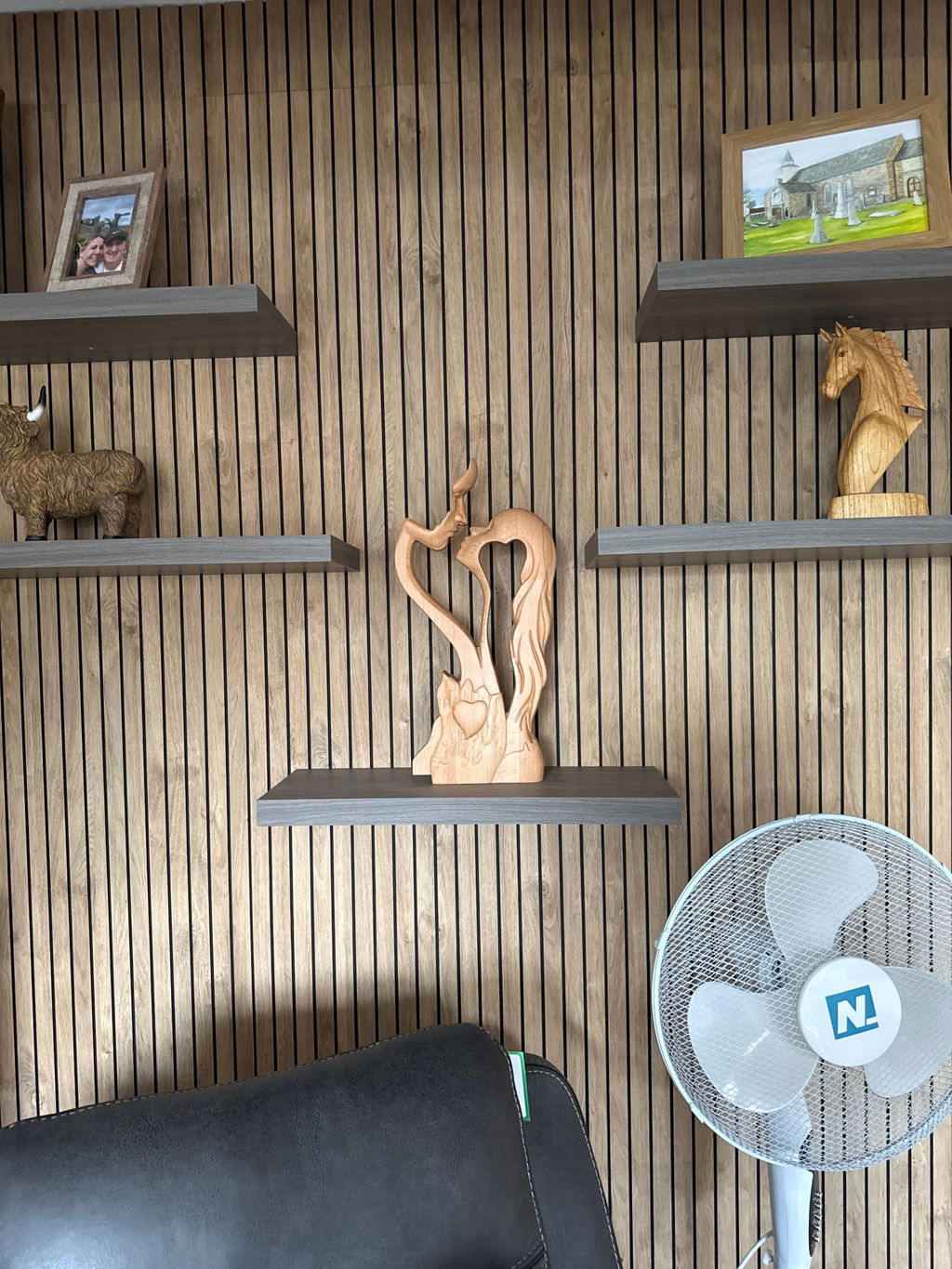
That material warmth can soften a room. A Christian wood carving does not have to dominate its surroundings; it can complement them. On a neutral wall, the wood brings gentle texture. Near other devotional objects, it can help unite a prayer area through a consistent natural palette. The result is less about decorating every surface and more about choosing one image with enough meaning to reward repeated attention.
Creating a Prayer Corner That Feels Personal
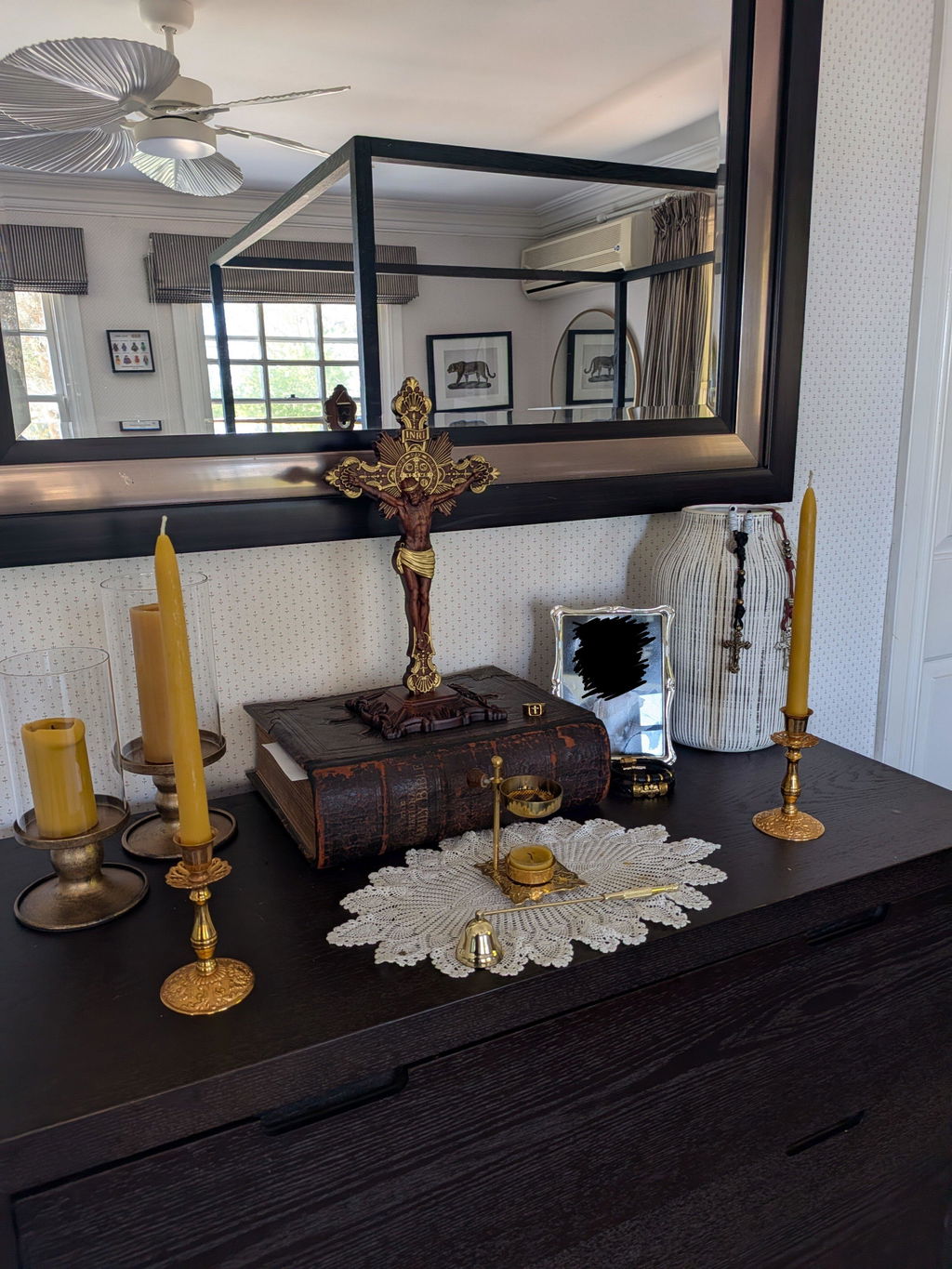
A home prayer corner can be simple. A small table, shelf, or section of wall may be enough. Rather than trying to reproduce a church interior, consider what supports prayer in the rhythm of your own household. Some people prefer a quiet chair and a Bible; others include a rosary, crucifix, candle, icon, or written intentions. Wall art above or beside these objects can establish a visual center without taking up the limited surface space below.
The Good Shepherd works particularly well in a place used for evening reflection, family prayer, or reading Scripture. Its theme is calm enough for a bedroom and welcoming enough for a shared living area. In an entryway, it may serve as a gentle reminder of guidance when leaving and returning home. In an office, it can suggest a more compassionate model of responsibility and leadership.
Placement benefits from restraint. Leave some open space around the carving so its silhouette and details remain easy to see. Natural or warm ambient light can emphasize the wood grain, but direct sunlight and damp locations are generally best avoided when displaying wooden decor. The aim is a setting that feels peaceful rather than crowded.

A Faith-Inspired Gift with Lasting Meaning
Religious gifts often matter most when they connect an occasion with a message the recipient can return to later. The Good Shepherd can be appropriate for baptism, confirmation, reception into the Church, a wedding, a new home, or a pastoral anniversary. It may also be offered at a less formal moment—to someone beginning a new chapter, caring for family members, or passing through uncertainty.
When giving sacred art, a short handwritten note can make the gesture more personal. A verse from Psalm 23, a line about prayer, or a simple explanation of why the shepherd image brought the recipient to mind can provide context without overexplaining the gift. The object then becomes connected not only to a Christian symbol but also to a particular relationship and moment.
Before choosing a display size or location, it helps to review the available views and details on the Good Shepherd carved wall decor page. Thinking about the recipient’s room, existing devotional objects, and preferred style can help the piece feel considered rather than generic.
A Quiet Image for Everyday Faith
The enduring appeal of the Good Shepherd comes from the closeness of the scene. It presents care in a form that is easy to understand: a lamb is carried, a path is guided, and no member of the flock is insignificant. In carved wood, the image takes on a tactile warmth suited to daily life at home.
Whether placed in a dedicated prayer corner or integrated gently into a living space, this form of Catholic home decor can support reflection without demanding attention. It waits quietly in the background and becomes visible again when needed. That may be the most fitting role for the Good Shepherd in the home—not as a decorative statement alone, but as a steady reminder that Christian guidance is expressed through presence, patience, and loving care.