Archangel Michael in Christian Wood Carving: Creating a Place of Courage and Prayer at Home
A home often tells its story through quiet objects: a family photograph, a well-used Bible, a candle lit during prayer, or an image that has accompanied someone through changing seasons. Christian wood carving belongs naturally among these personal signs of memory and faith. Unlike decoration chosen only to fill a wall, a carved sacred image can invite reflection without demanding attention. It becomes part of the everyday landscape of the home.
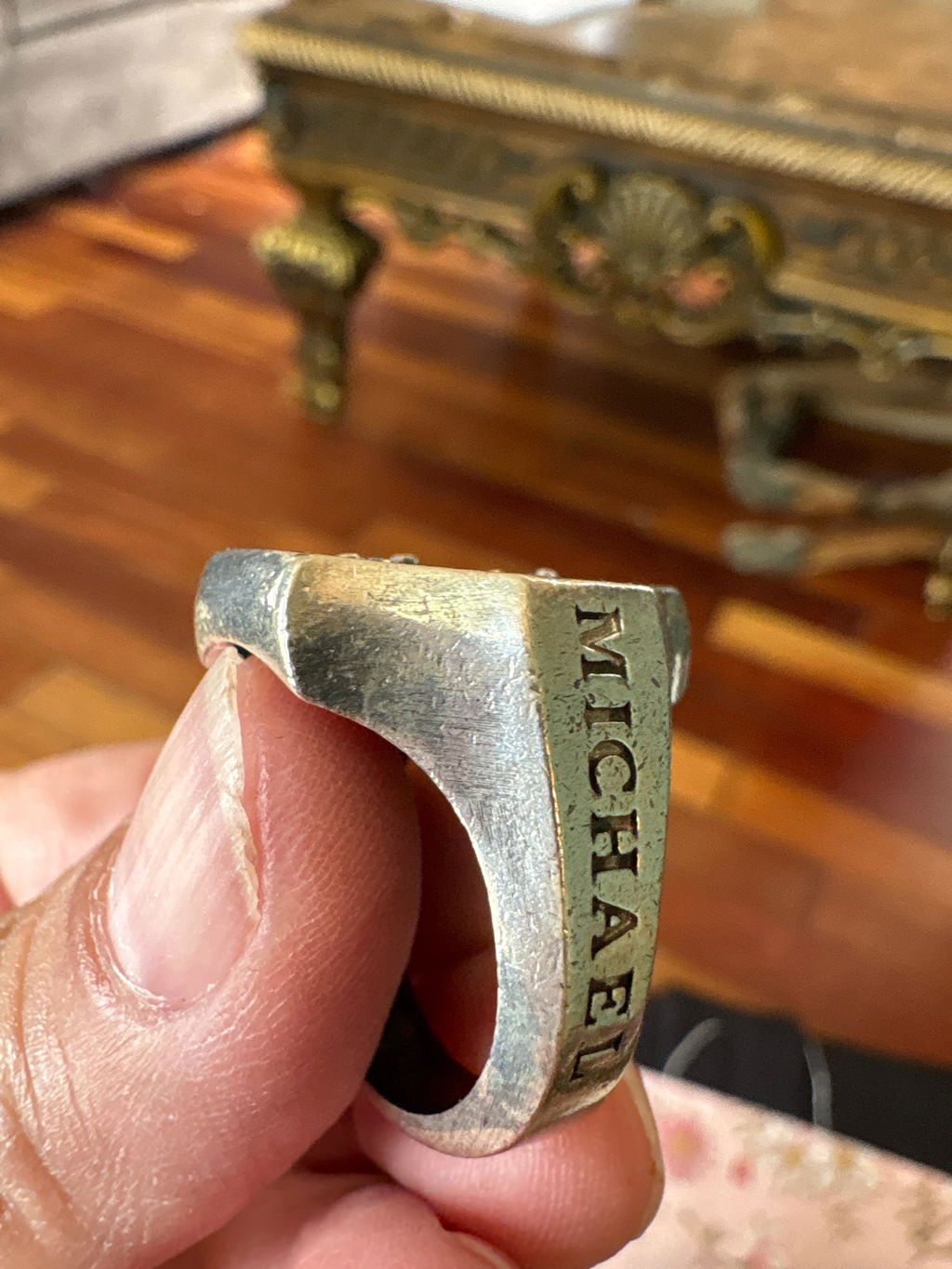
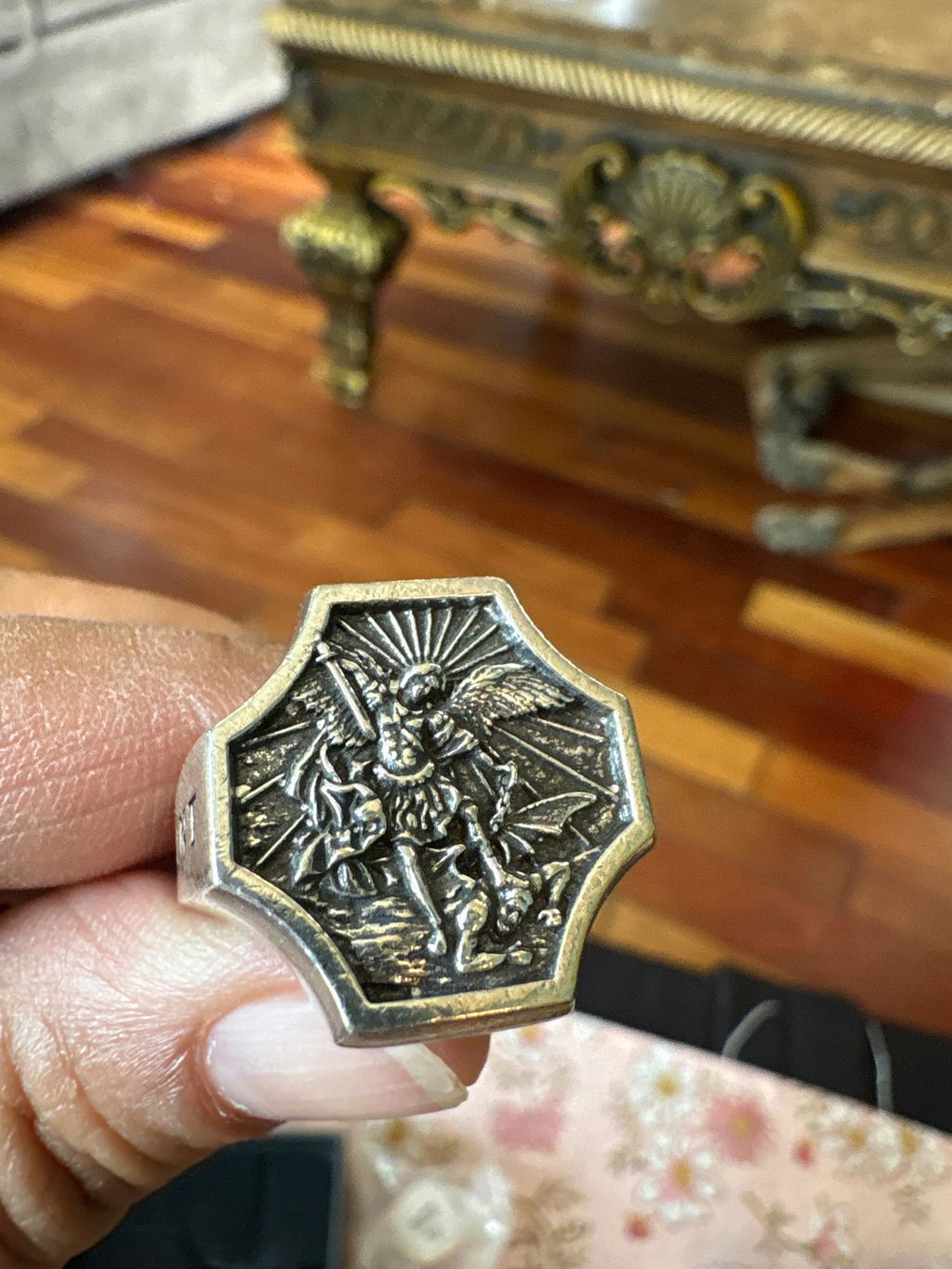
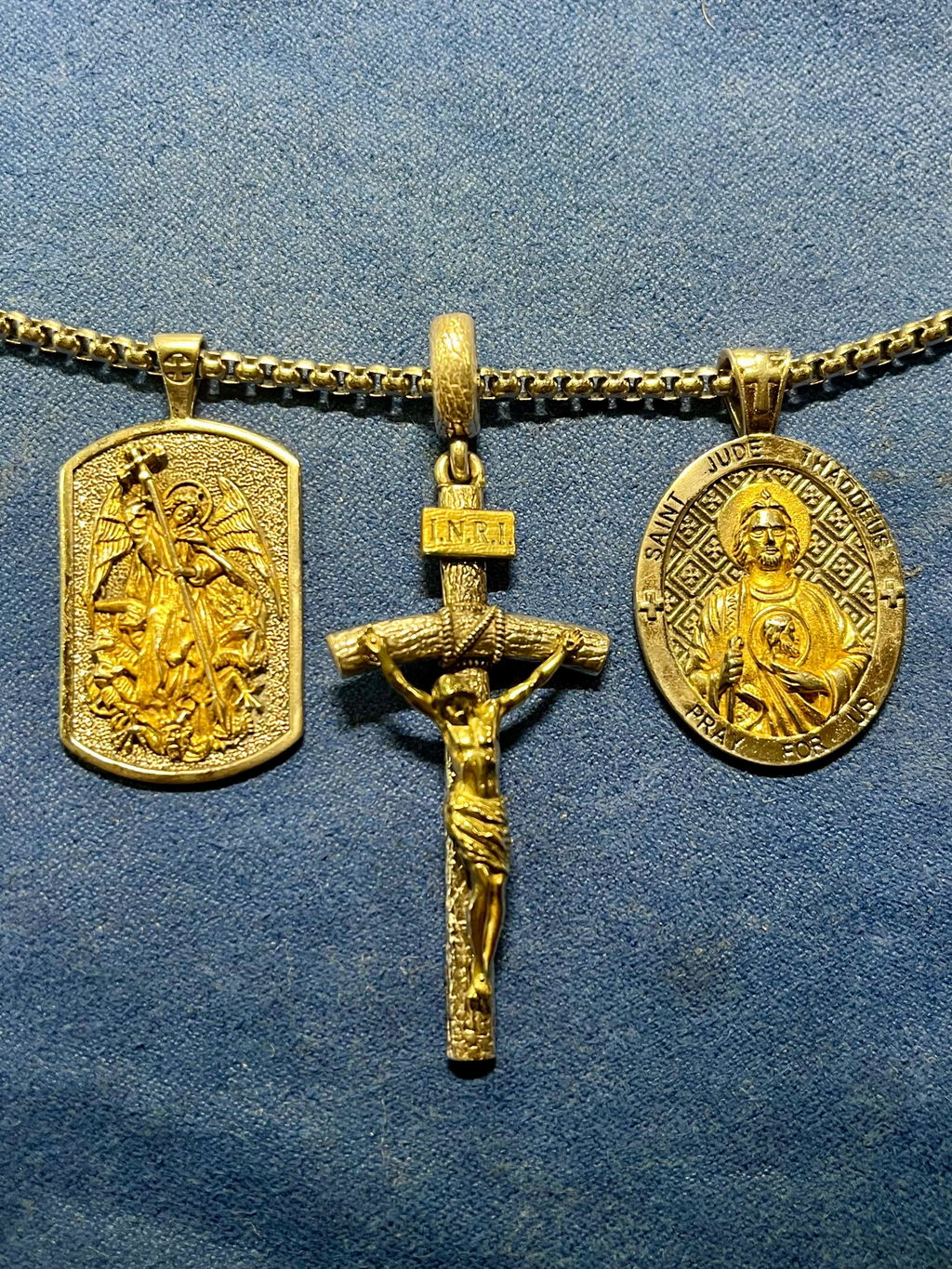
An image of Archangel Michael carries a particularly strong visual language. In Christian art, he is commonly shown alert and resolute, associated with the struggle against evil and the call to remain faithful. The BGCOPPER Archangel Michael wooden icon translates that traditional subject into carved relief, allowing light and shadow to reveal the composition gradually. Its square format also gives the scene a contained, icon-like presence that can work in both a dedicated prayer area and a thoughtfully arranged living space.
Archangel Michael as a Symbol of Courage and Faithfulness
The name Michael appears in Scripture in passages connected with spiritual conflict and protection. Christian tradition therefore remembers the archangel not as a source of power independent from God, but as a servant who points beyond himself to divine authority. That distinction gives an image of Michael a meaningful place in Christian and Catholic home decor: it can remind viewers that courage is rooted in faithfulness rather than fear or aggression.
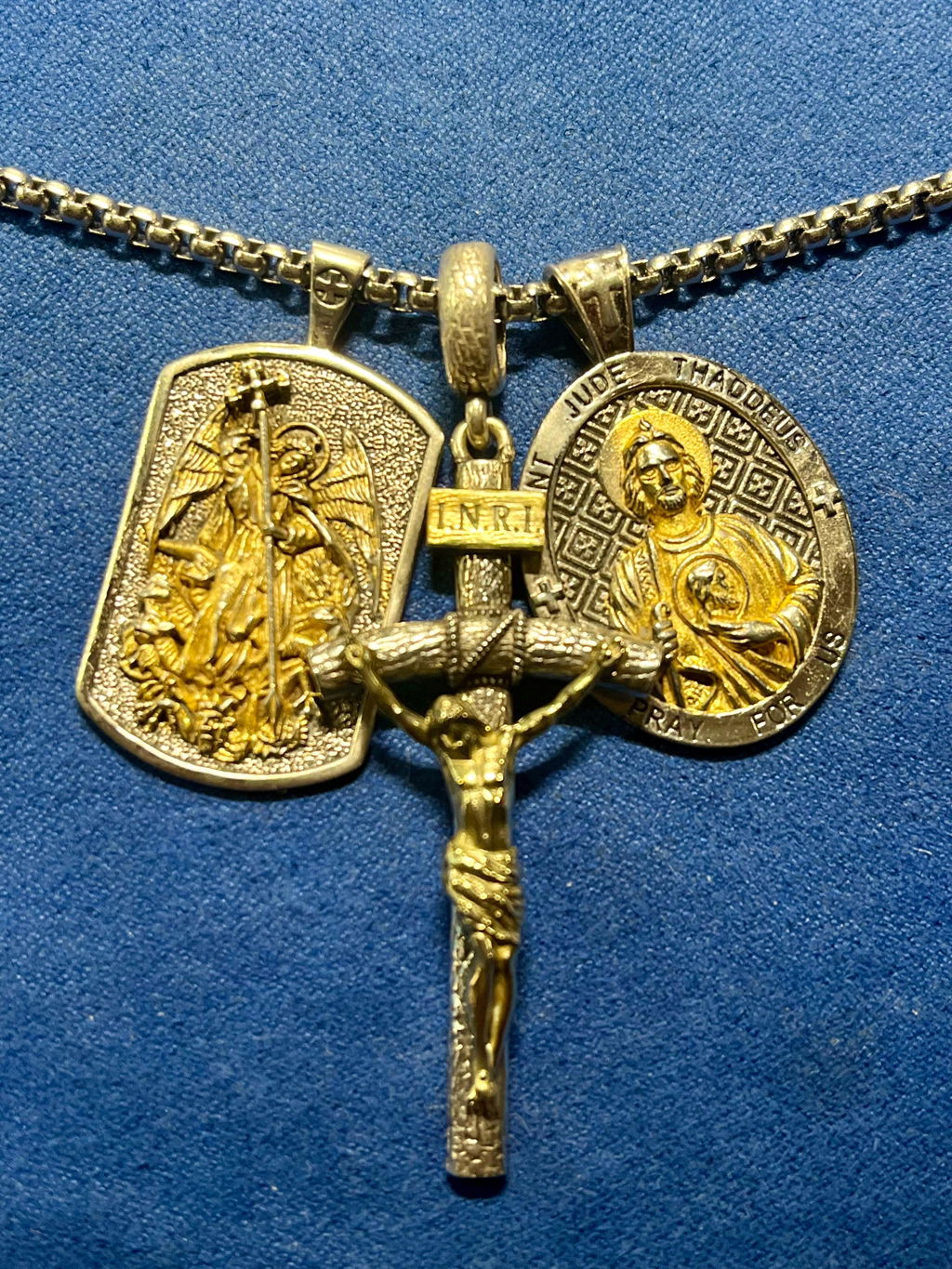
Traditional images often use a raised sword, wings, armor, and a defeated adversary to make an invisible spiritual theme visible. These details do not need to be read as a promise that a household will never face difficulty. A more measured interpretation is that they encourage perseverance, moral clarity, and prayer when life feels uncertain. The image can prompt a simple question: what does it mean to choose what is good, true, and compassionate today?

Why Wood Feels at Home in Sacred Spaces
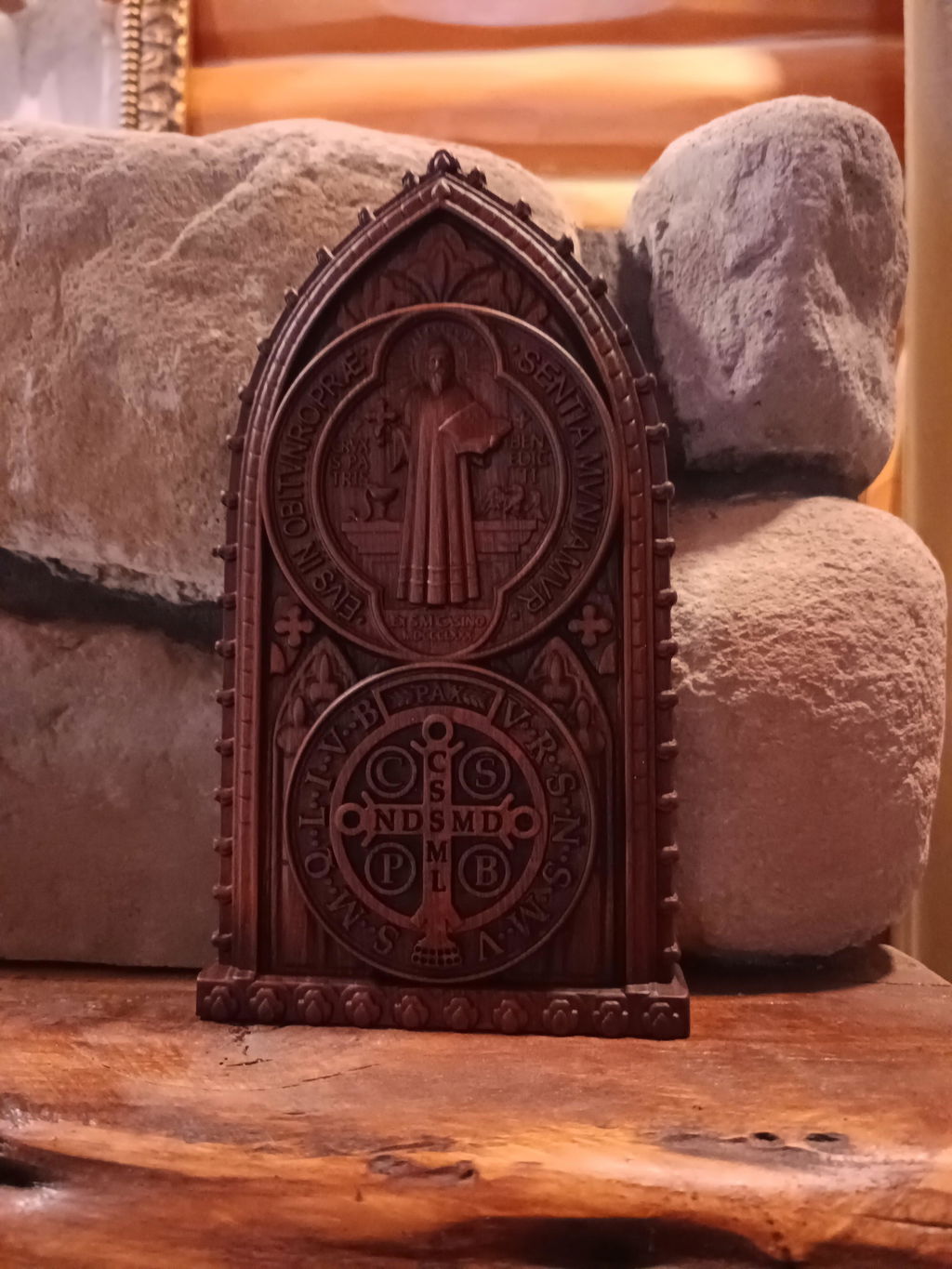
Wood has a visual warmth that suits places intended for stillness. Its grain, color variations, and tactile surface soften the formality that religious art can sometimes carry. In relief carving, the maker creates depth by removing material, leaving raised forms that respond to daylight from different angles. Morning light may emphasize one group of lines, while evening light brings another detail forward. This gentle change helps the piece feel present without being visually loud.
The product information describes this icon as hand-carved and manually polished in beech wood, with painted finishes available. Those qualities matter aesthetically because carving preserves small signs of process: layered planes, recessed backgrounds, and transitions shaped to make the figure legible. Appreciating such details does not require treating every variation as symbolic. The craft itself simply offers a human-scaled way to encounter a familiar sacred subject.
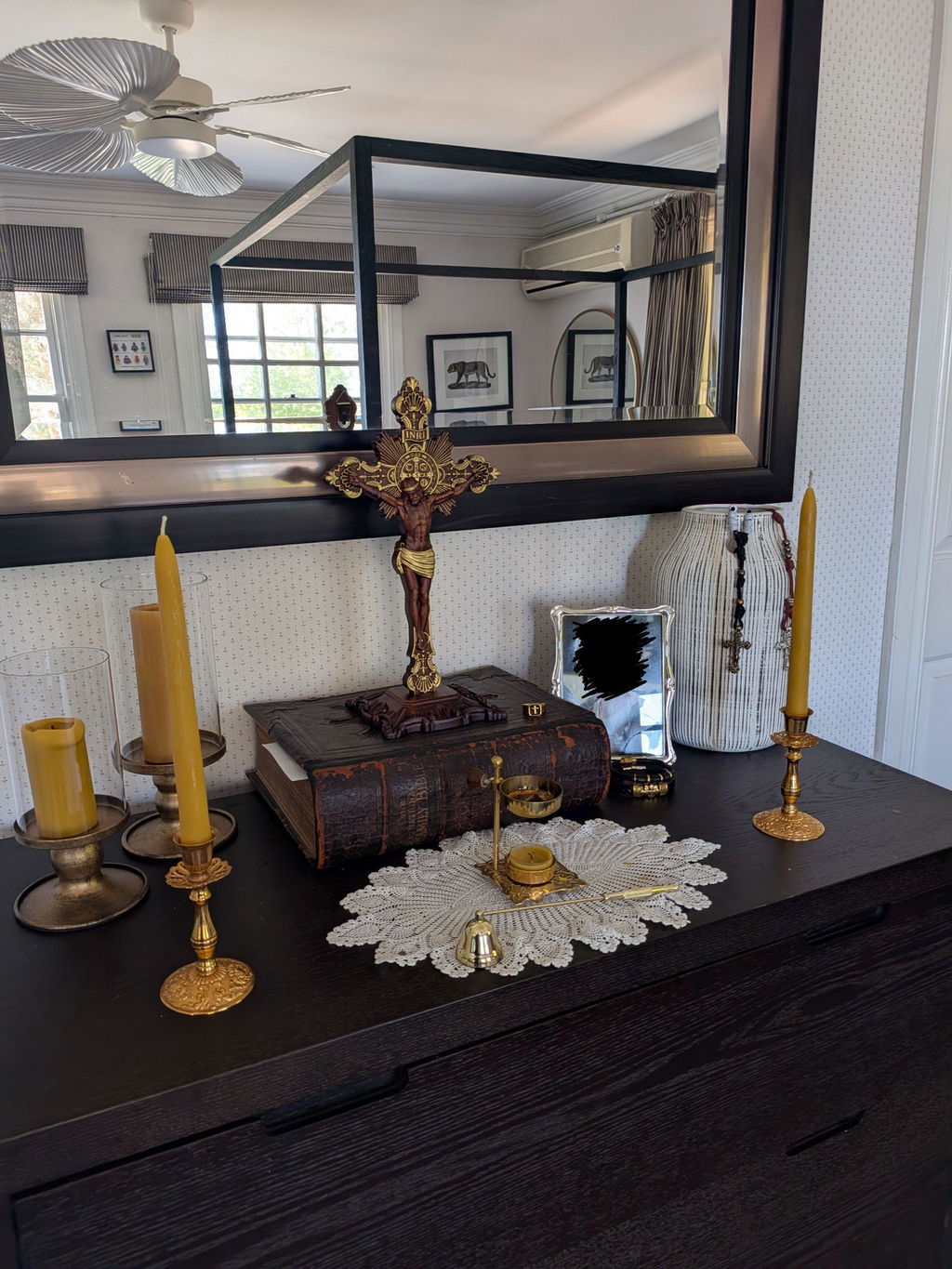
Wood also pairs easily with common materials already found at home. Linen, stoneware, books, brass-toned candleholders, and simple greenery can accompany a wooden icon without turning a prayer corner into a display. Restraint is often the most effective approach. Leaving open space around the carving allows its silhouette and relief to remain clear.
Creating a Simple Catholic or Christian Prayer Corner
A prayer corner does not need a separate room. A small shelf, the top of a chest, a quiet section of a study, or a wall near a comfortable chair can provide enough space. Begin with what supports an existing prayer practice rather than assembling many decorative objects at once. A Bible or prayer book, the wooden image, and perhaps a candle used safely may be sufficient.
Place the carving near eye level when possible, and look for indirect light that reveals the relief without creating harsh glare. If it is displayed near an entryway, it can serve as a brief reminder to pause when leaving or returning home. In a bedroom or study, it may support quieter moments of examination, intercession, or reading. Families might position it near a shared devotional area, where its imagery can open age-appropriate conversations about courage, conscience, and trust in God.
The goal is not to create a perfect interior. Sacred space becomes meaningful through use. A modest corner where someone regularly sits in silence can carry more personal significance than an elaborate arrangement that is rarely noticed. For those considering the proportions and surface details, the Archangel Michael carved wood wall decor page offers additional views of the icon from different angles.

Living with Faith-Inspired Art Beyond the Prayer Corner
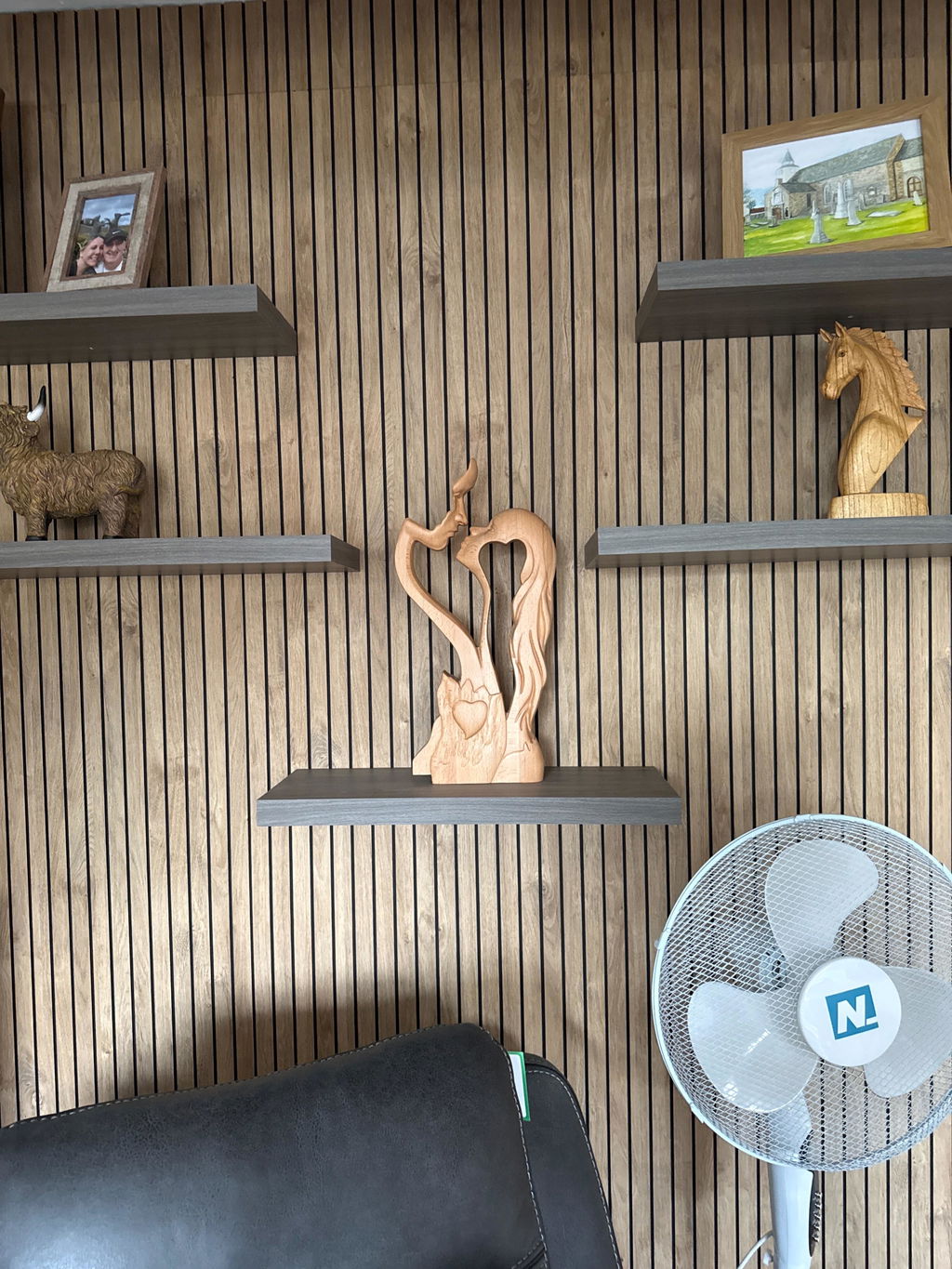
Religious art can also sit naturally in shared rooms. Above a console, beside a bookcase, or within a carefully spaced gallery wall, a Christian wood carving can express the values of a household without making the room feel formal. Its earthy material works especially well with neutral walls and natural textures, although a simpler surrounding will usually make the detailed carving easier to see.
Consider the sightlines of the room. A piece associated with vigilance and courage may feel appropriate where it can be noticed during ordinary transitions—passing through a hallway, beginning work at a desk, or gathering in a living room. It need not dominate the setting. The most enduring placement may be one where the icon is encountered gently and repeatedly.
Care should be equally uncomplicated. Keep carved wood away from persistent moisture and extreme heat, and remove surface dust gently according to the care guidance provided for the piece. Avoid assuming that every wood finish should be treated with household polish; product-specific instructions are the safer guide.
A Thoughtful Gift for Meaningful Transitions
A faith-inspired gift is most considerate when it reflects the recipient rather than the occasion alone. An Archangel Michael image may resonate with someone who has a devotion to the archangel, values traditional Christian art, or is creating a first prayer space. It can also mark transitions that call for steadiness: moving into a new home, beginning a demanding vocation, returning to regular prayer, or receiving a sacrament.
The giver can make the object more personal with a short handwritten note explaining why the imagery brought the recipient to mind. This keeps the gesture warm without assigning a spiritual meaning the recipient may not share. It is also wise to consider the person’s tradition, preferred style, and available display space. Meaningful religious gifts should feel like an invitation to reflection, never an obligation.
A Quiet Image for Daily Remembrance
The lasting value of Christian home decor is not measured by how dramatically it transforms a room. Its value can be much quieter: helping a person remember what matters in the middle of an ordinary day. Through traditional symbolism, natural material, and patient relief work, an Archangel Michael wood carving can hold together themes of courage, protection, service, and trust.
Whether placed in a Catholic prayer corner, a family living area, or given to someone beginning a new chapter, the image works best when it supports a real rhythm of attention. A brief pause, a prayer for courage, or a renewed intention to act with integrity is enough. In that sense, carved sacred art does not remove faith from daily life; it gives faith a familiar place within it.