Saint Michael, Sacred Art, and a Prayerful Home
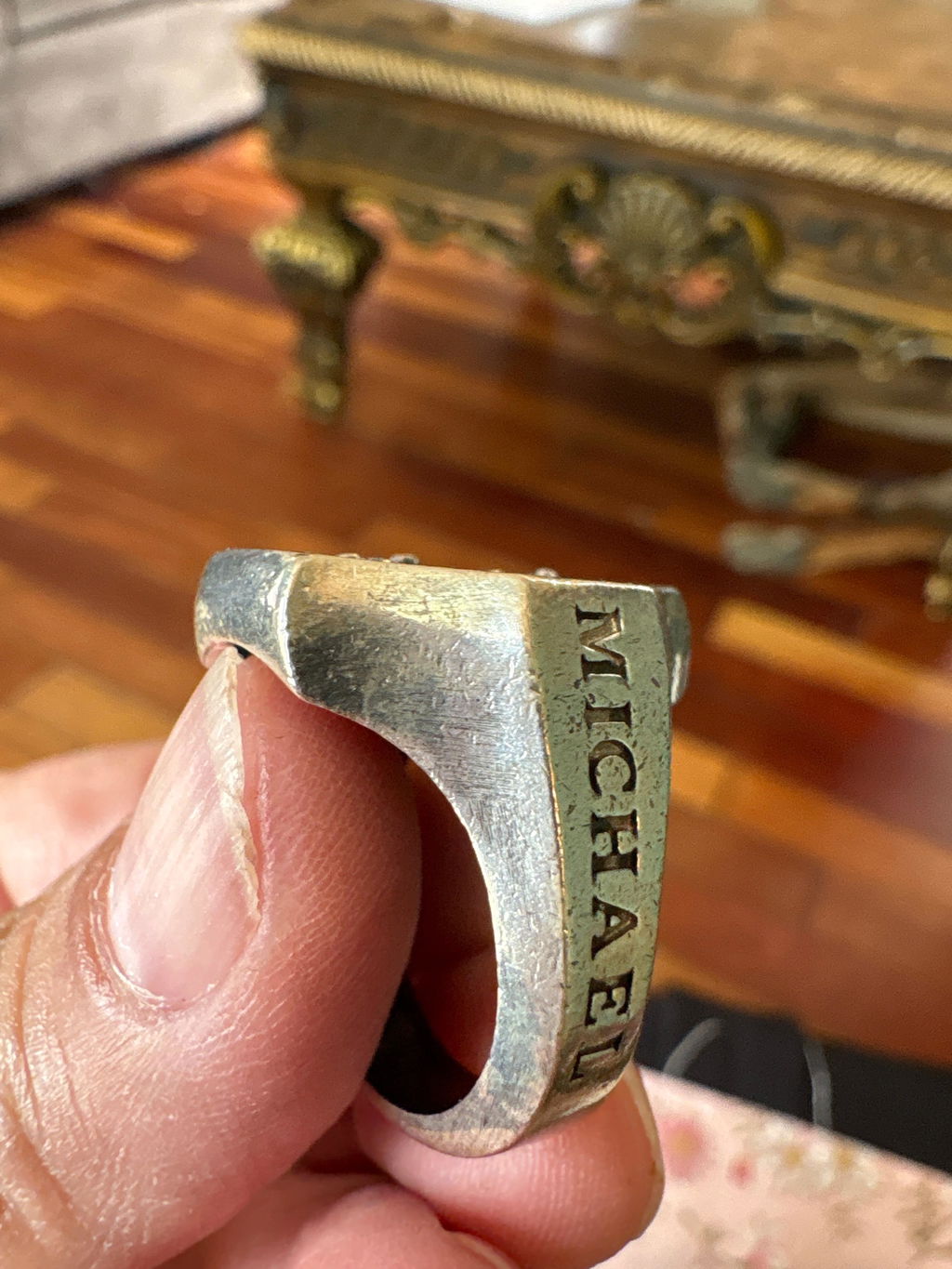
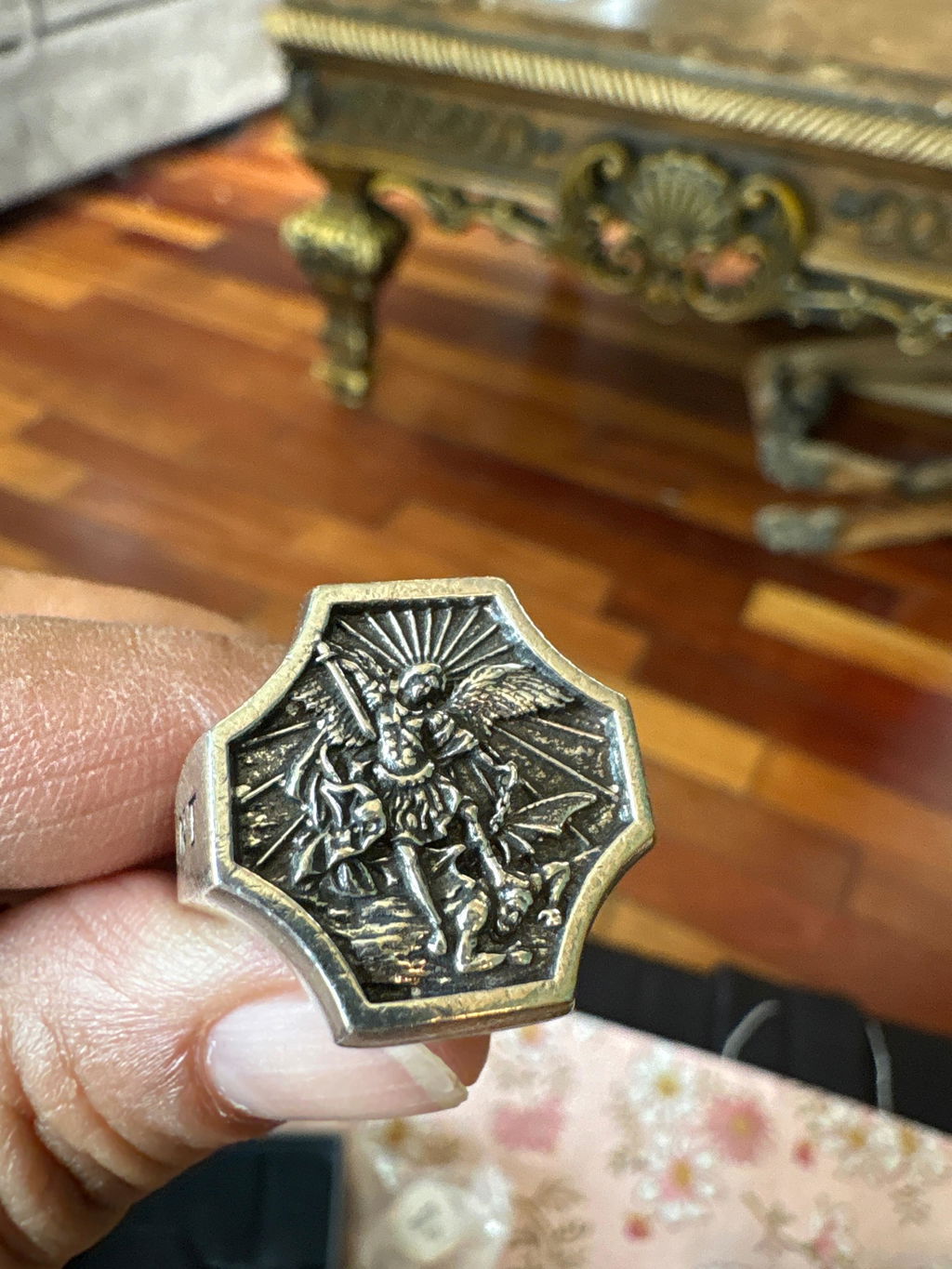
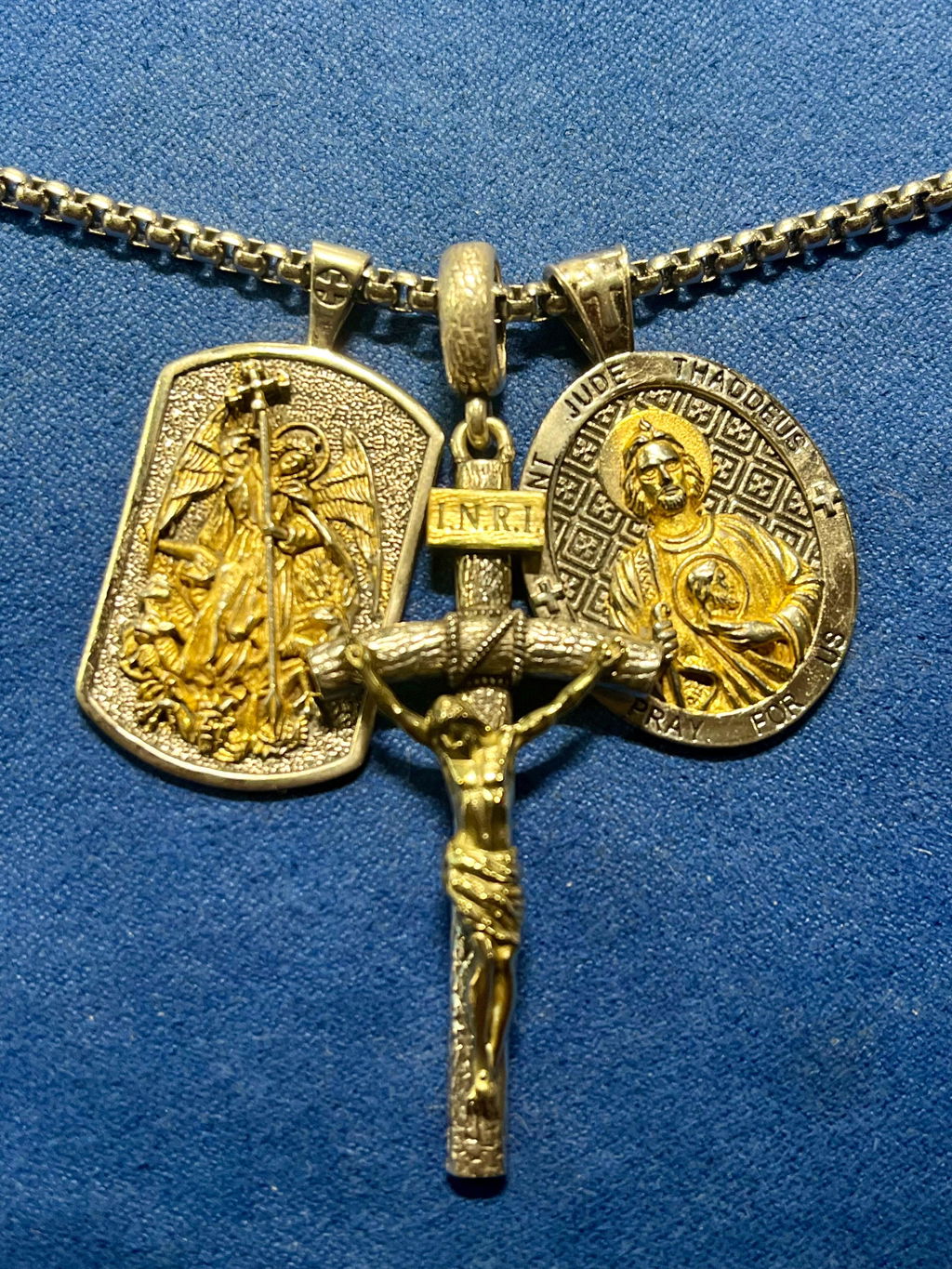
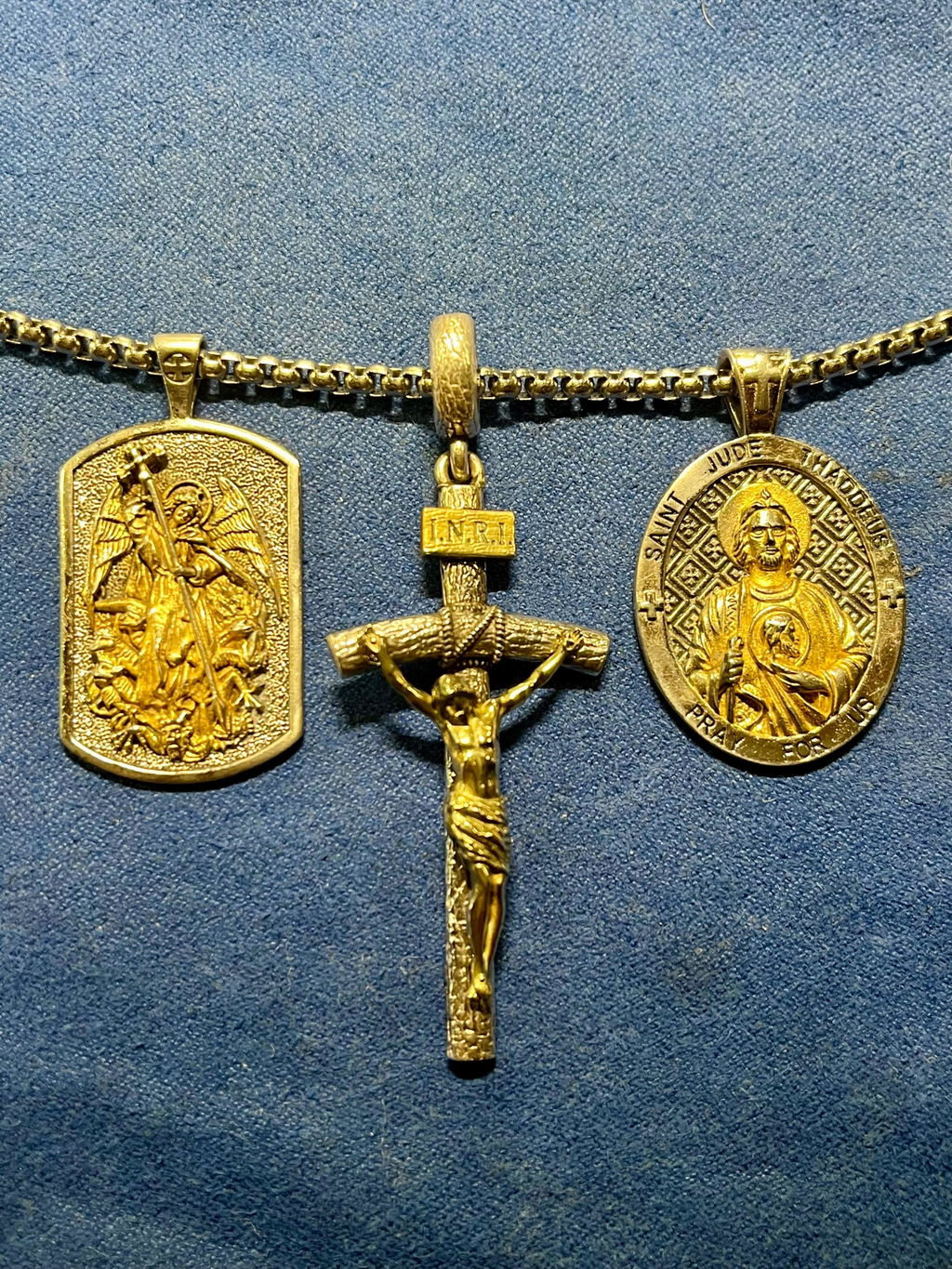
Across centuries of Christian art, Saint Michael the Archangel has appeared in mosaics, painted icons, carved wood, medals, and small devotional objects. The medium may change, but the central image remains recognizable: a defender standing against evil and calling the faithful toward courage rooted in God. For police officers, military personnel, firefighters, paramedics, and the families who pray for them, this symbolism can feel especially close to daily life. The St. Michael Patron Saint of Law Enforcement Coin translates that familiar devotional image into a compact object for reflection, remembrance, or a carefully chosen gift.
Saint Michael in Christian and Catholic Symbolism
The name Michael is traditionally understood through the question “Who is like God?” Rather than presenting the archangel as powerful by himself, the phrase points beyond him to the sovereignty of God. In Christian tradition, Michael is associated with spiritual defense, faithfulness, and the struggle against evil. Catholics also honor him as a patron connected with people whose work involves danger, protection, and public service.
This background gives Saint Michael imagery a character that is both strong and humble. A sword, shield, armor, or defeated dragon may make an image visually dramatic, yet its religious meaning is not simply about physical force. It can suggest moral vigilance, disciplined service, and the hope that good will prevail. In a home, such an image may prompt a short prayer for someone beginning a shift, traveling into uncertain conditions, or carrying a demanding responsibility.

From Carved Sacred Art to Personal Devotional Objects
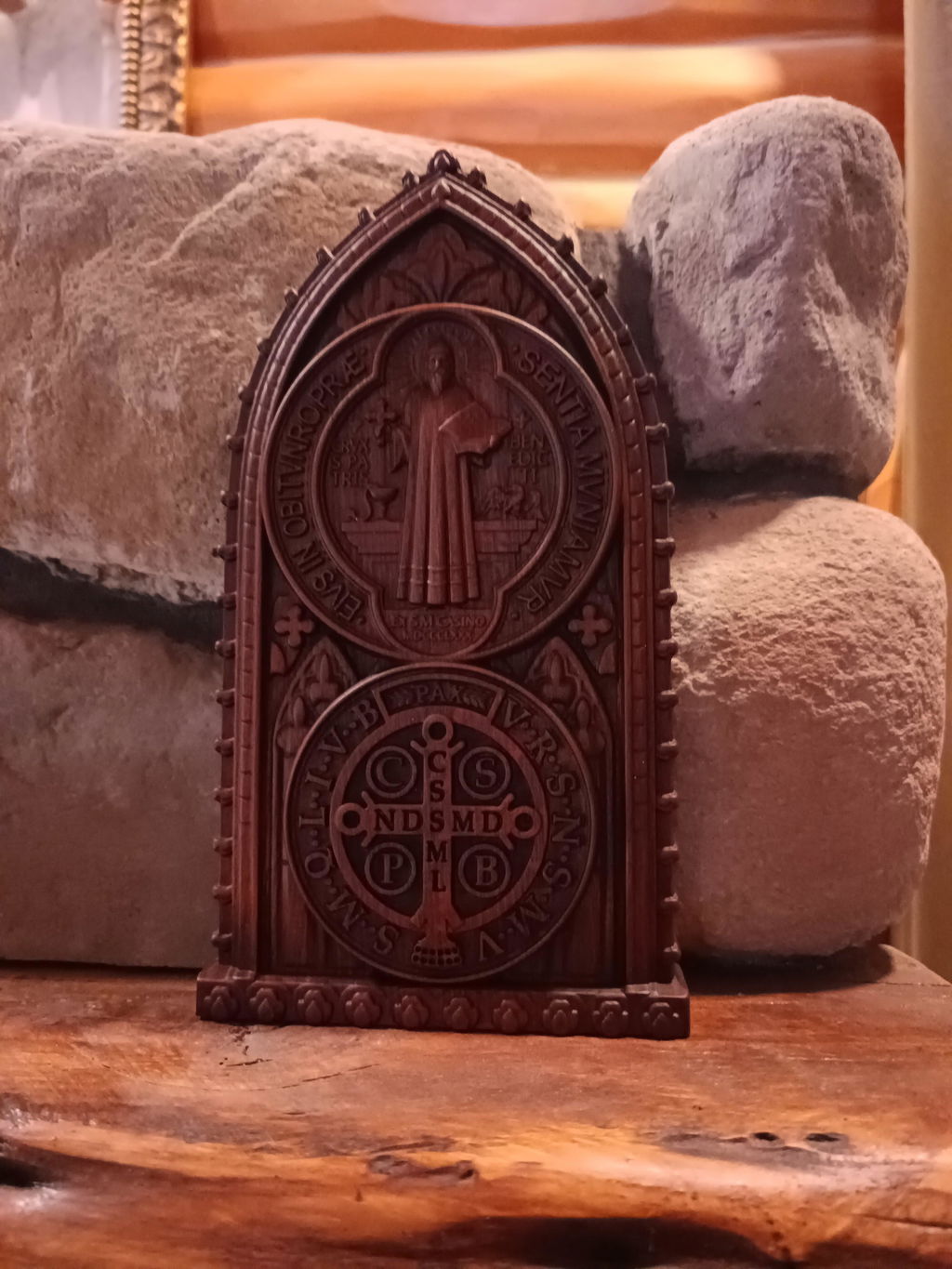
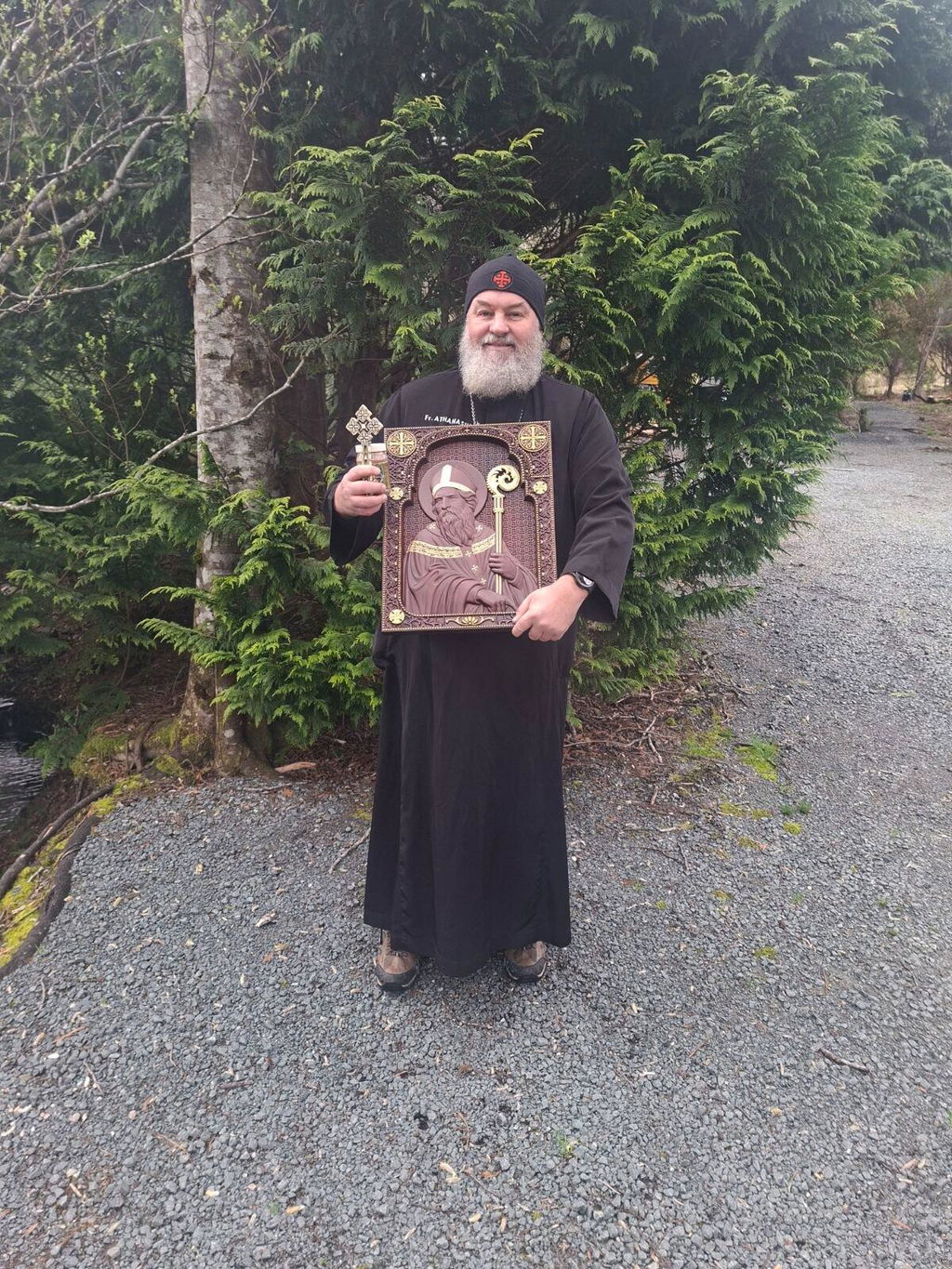
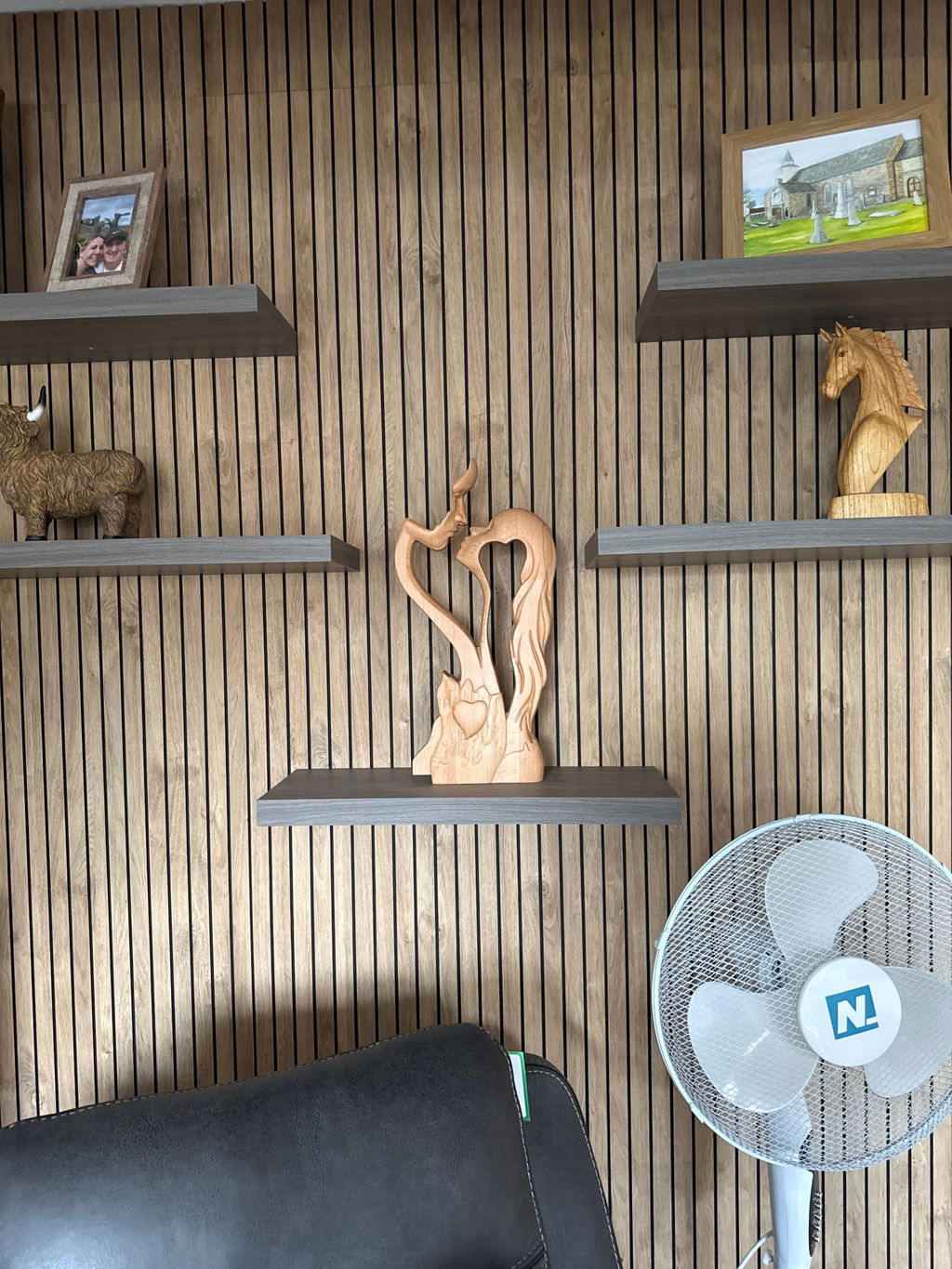
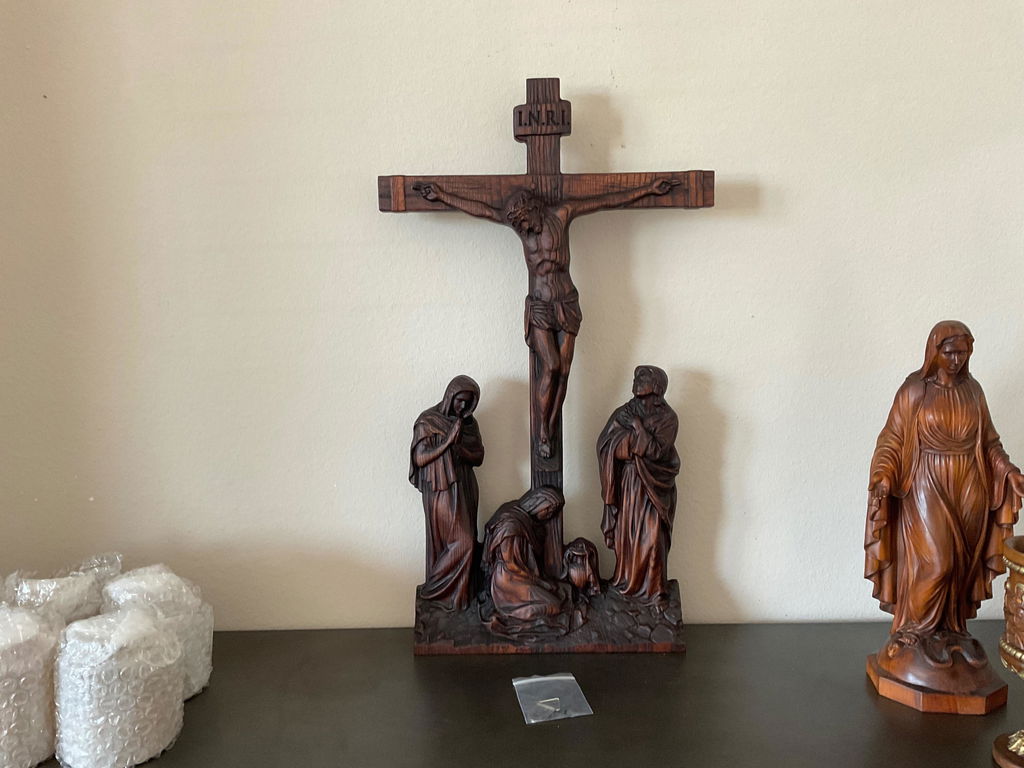
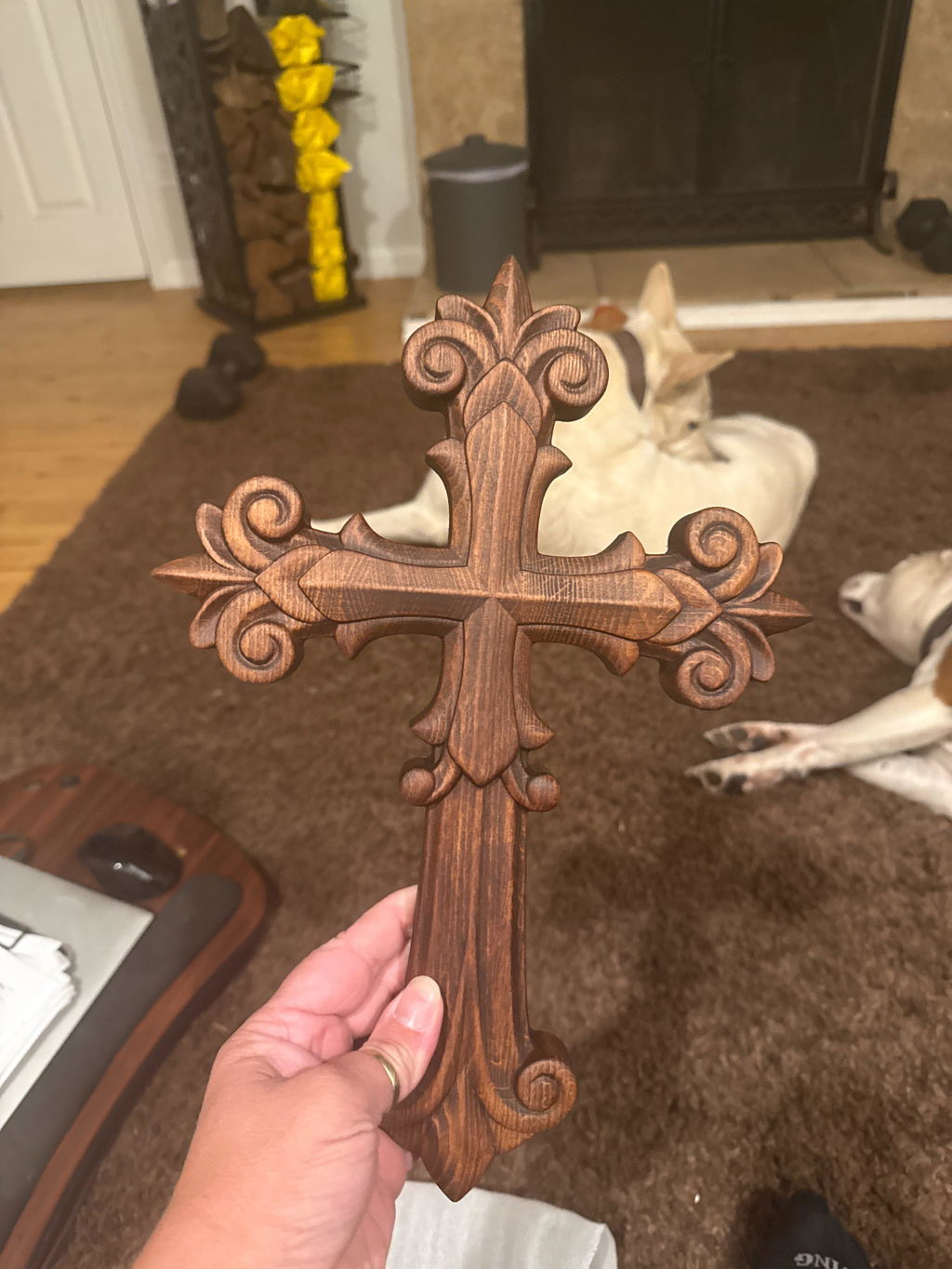
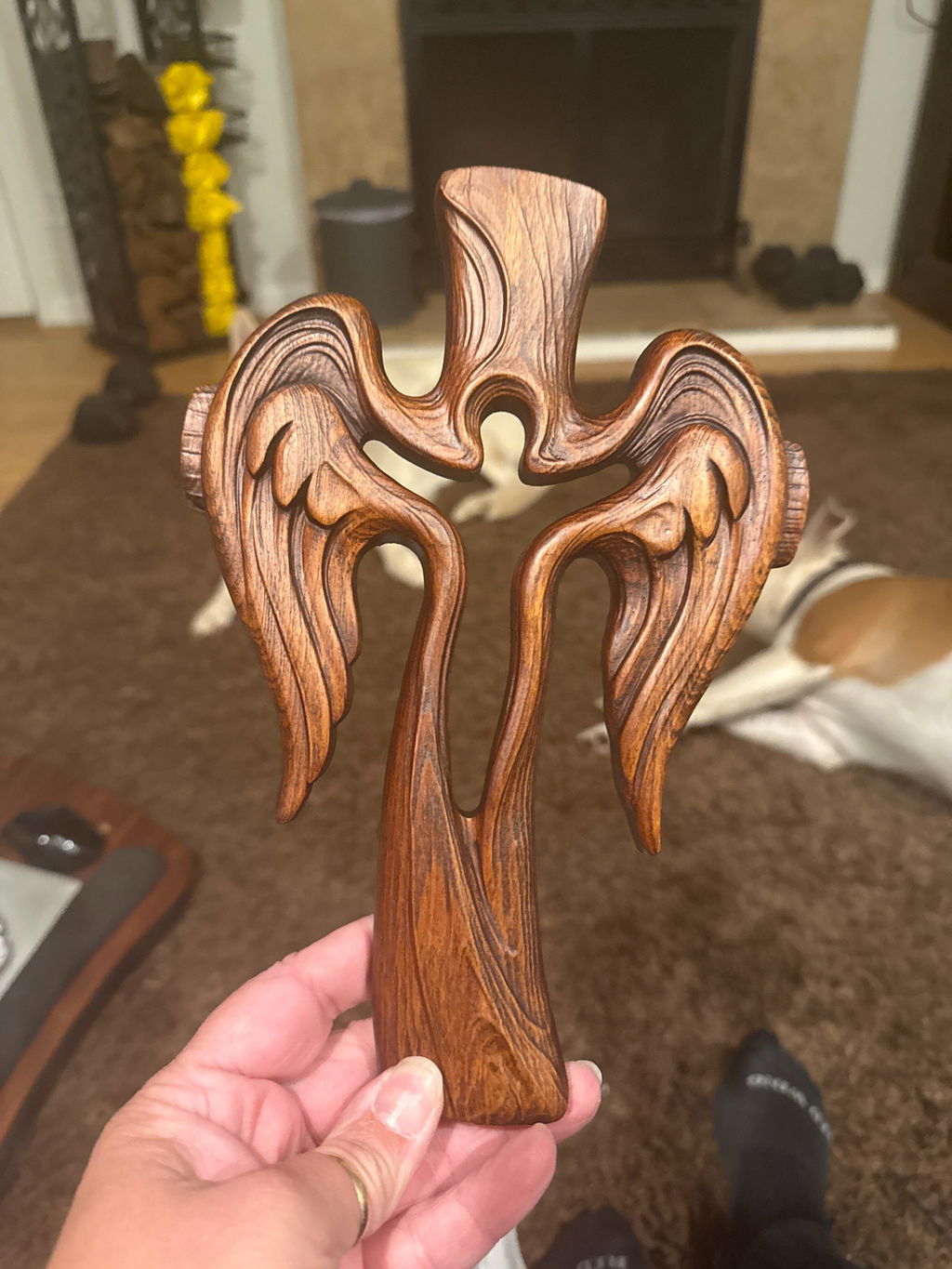
Wood carving has long given Christian households a warm, tactile way to keep sacred stories visible. The grain of wood, the marks of the carving process, and the gentle relief of a figure can make religious art feel grounded in ordinary domestic life. Carved crosses, saints, angels, and Nativity scenes are not valuable merely as decoration; for many families, they help establish a visual rhythm of faith within the home.
A devotional coin belongs to a different material tradition, so it should not be confused with a wooden carving. Yet it shares an important purpose with carved sacred art: concentrating a larger spiritual story into a form that can be seen and handled. Relief imagery on a coin and relief carving in wood both depend on contour, shadow, and symbolic detail. Placed near a carved cross or a wooden Saint Michael figure, a small coin can become part of a layered devotional arrangement rather than competing with it.
This relationship between materials is useful when planning Christian home decor. Wood contributes natural warmth and a sense of permanence, while a smaller devotional object introduces a personal scale. Together, they can create a setting that feels collected over time instead of designed as a themed display.
Creating a Quiet Prayer Corner at Home
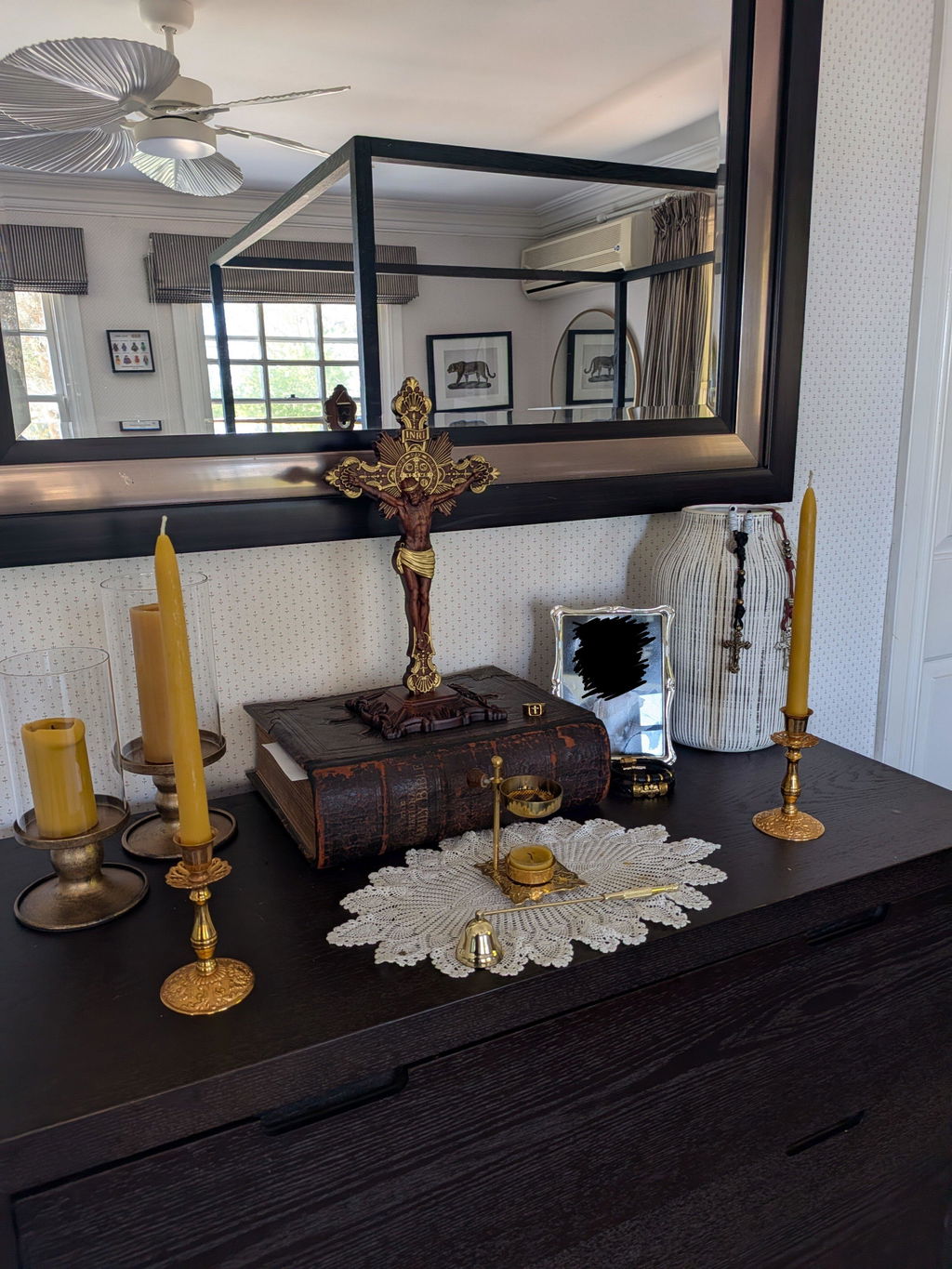
A prayer corner does not need to be elaborate. A small shelf, side table, or clear section of a bookcase can hold a Bible, candle used safely, rosary, wooden cross, or carved religious image. The goal is not visual abundance but a place that gently reduces distraction. Natural wood tones and a restrained arrangement often help the space remain calm.
A Saint Michael coin may be placed in a protective holder beside these objects, especially when the prayer intention concerns a law enforcement officer or another first responder. It can also rest near a written prayer list or a photograph of a loved one. Because the object has a focused symbolic role, allowing some open space around it can make the arrangement feel more contemplative.
For a family with several devotional pieces, consider grouping them by purpose rather than by color. A carved cross may anchor the setting, an angel image may represent protection, and a small Saint Michael object may recall a particular person. This approach keeps Christian and Catholic home decor connected to lived faith rather than treating sacred imagery as a purely decorative motif.

A Meaningful Gift for Service and Encouragement
Faith-inspired gifts are often most meaningful when the giver can explain why the symbol was chosen. A Saint Michael piece may be appropriate for a police academy graduation, a new assignment, retirement, confirmation, birthday, or a private moment when encouragement is needed. It can also be given to a spouse, parent, or friend who regularly prays for someone serving in a demanding role.
A simple note can give the gift context without making grand promises. Words such as “May this remind you that you are remembered in prayer” respect both the recipient and the limits of a devotional object. Christian symbols can support reflection and prayer, but they are not guarantees against hardship. That distinction keeps the gesture sincere.
Presentation can connect the gift naturally with wood-carving traditions. A plain wooden keepsake box, a card featuring carved Christian art, or a place beside an existing wooden cross can add warmth without implying that the coin itself is made from wood. Before choosing the piece, readers can review the images and listed details on the BGCOPPER Saint Michael coin page to understand its appearance and intended use.
Caring for a Small Sacred Keepsake
Any devotional keepsake benefits from thoughtful handling. Keep it in its protective case or a clean, dry setting when it is not being viewed. Avoid harsh cleaners and unnecessary moisture, and handle detailed surfaces gently. If displayed near candles, incense, or an open window, allow enough distance to protect both the object and nearby wooden decor.
Care also has a less practical dimension. Sacred art remains meaningful when families occasionally pause to recall its story. A carved figure, cross, or coin can fade into the background if it is never noticed. Returning to the image during prayer, on a feast day, or before a loved one begins work restores its role as a prompt for attention and gratitude.
A Symbol of Courage Held with Humility
Saint Michael imagery brings together strength, service, and dependence on God. Whether encountered in an old wooden carving, a church sculpture, or a contemporary devotional coin, the image asks the viewer to consider courage as something guided by faith and directed toward the good of others.
In the home, that message does not require a grand display. A carefully chosen place beside a wooden cross, a brief prayer for those who protect their communities, and a personal note offered with a gift can be enough. The result is not simply Christian decor, but a small and intentional practice of remembrance.