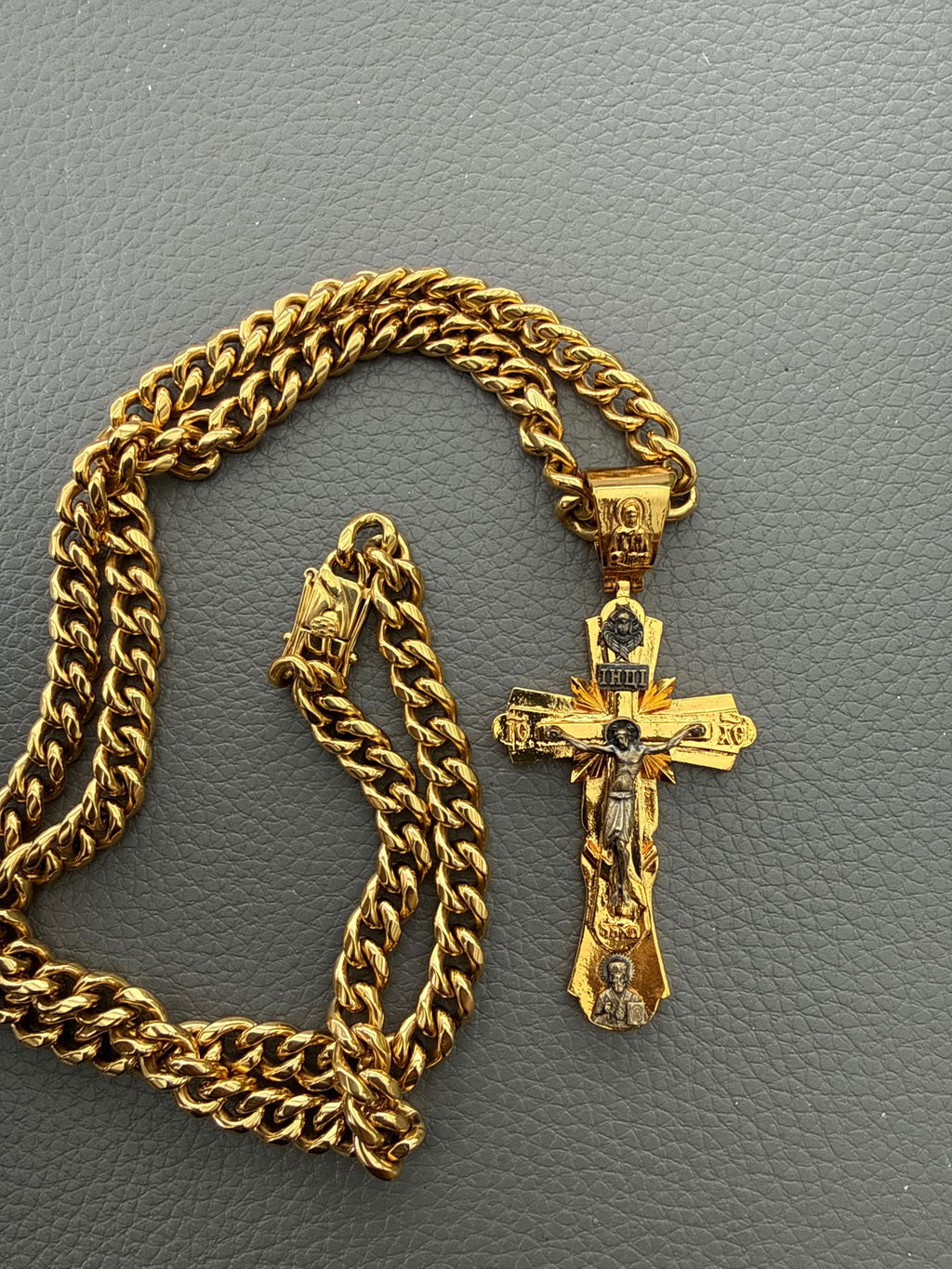
The Holy Trinity in Carved Wood: Creating a Peaceful Christian Prayer Corner
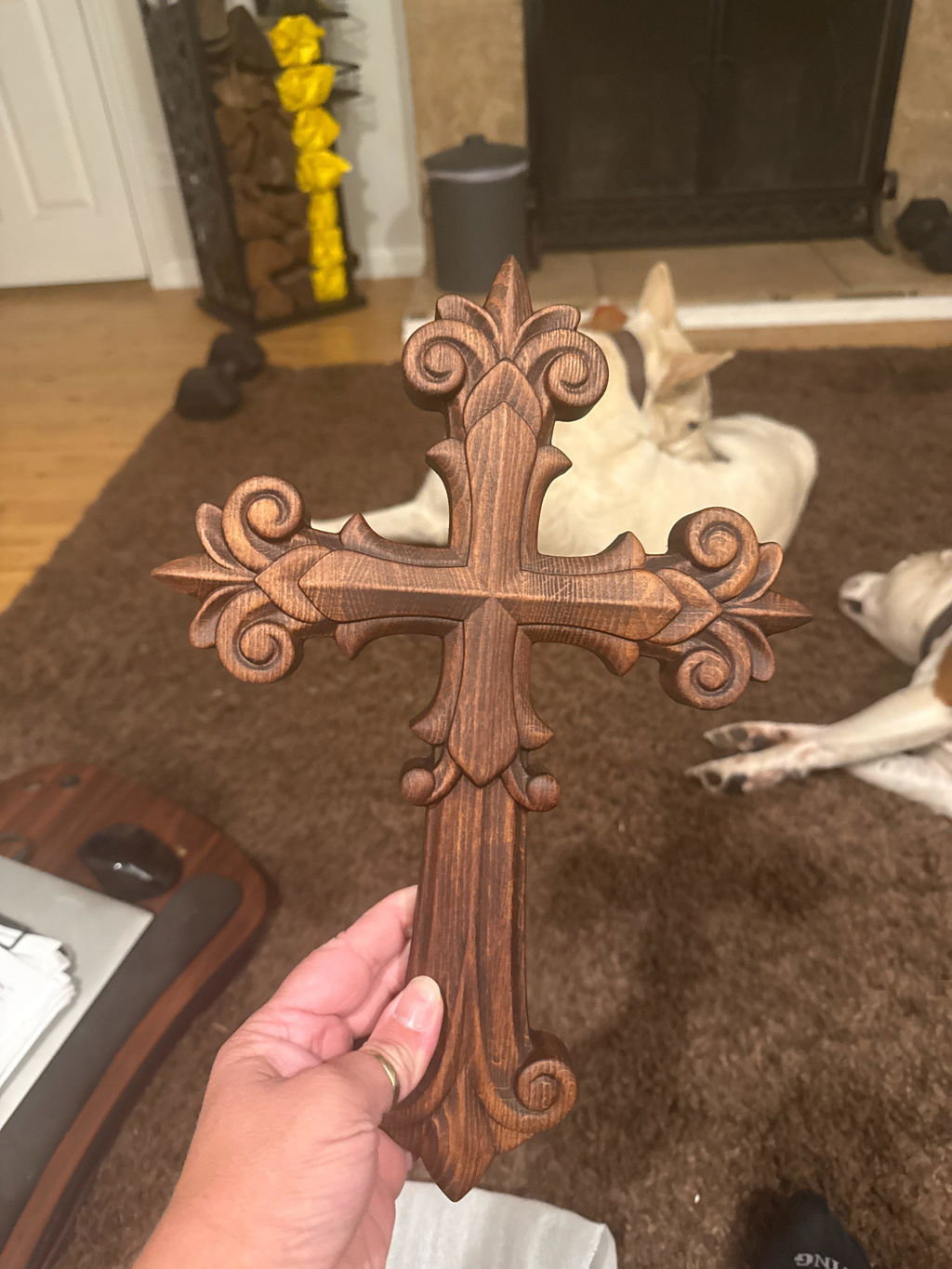
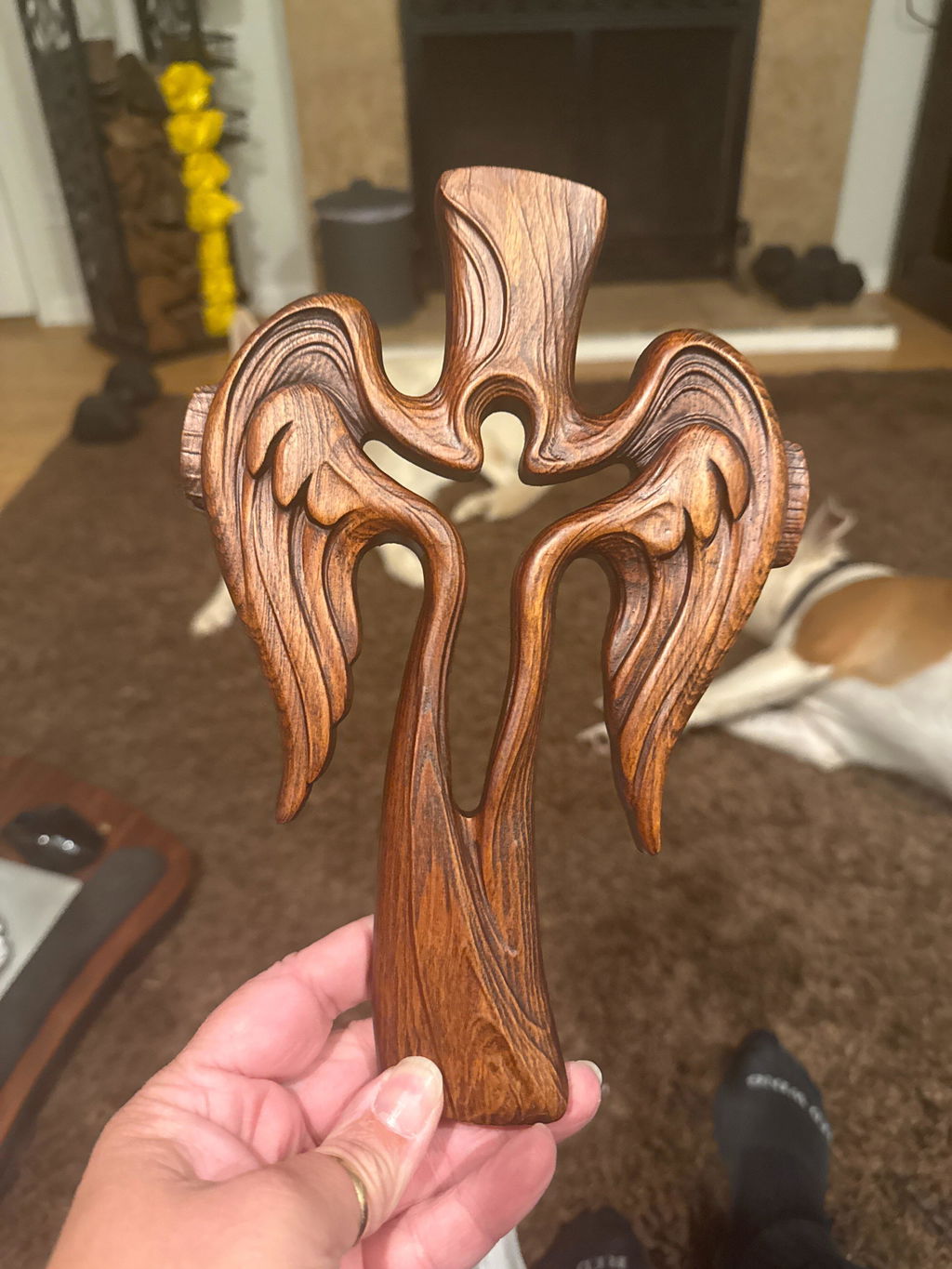
A cross in the home can be both a work of sacred art and a quiet point of return. It does not need to dominate a room to shape its atmosphere. In a hallway, beside a family Bible, or above a small prayer table, it can invite a moment of recollection before the day begins. The hand-carved beechwood Holy Trinity crucifix considered here brings together Christian symbolism, natural wood, and the practical question of how faith can find a visible place in ordinary domestic life.
The Holy Trinity represented in Christian art
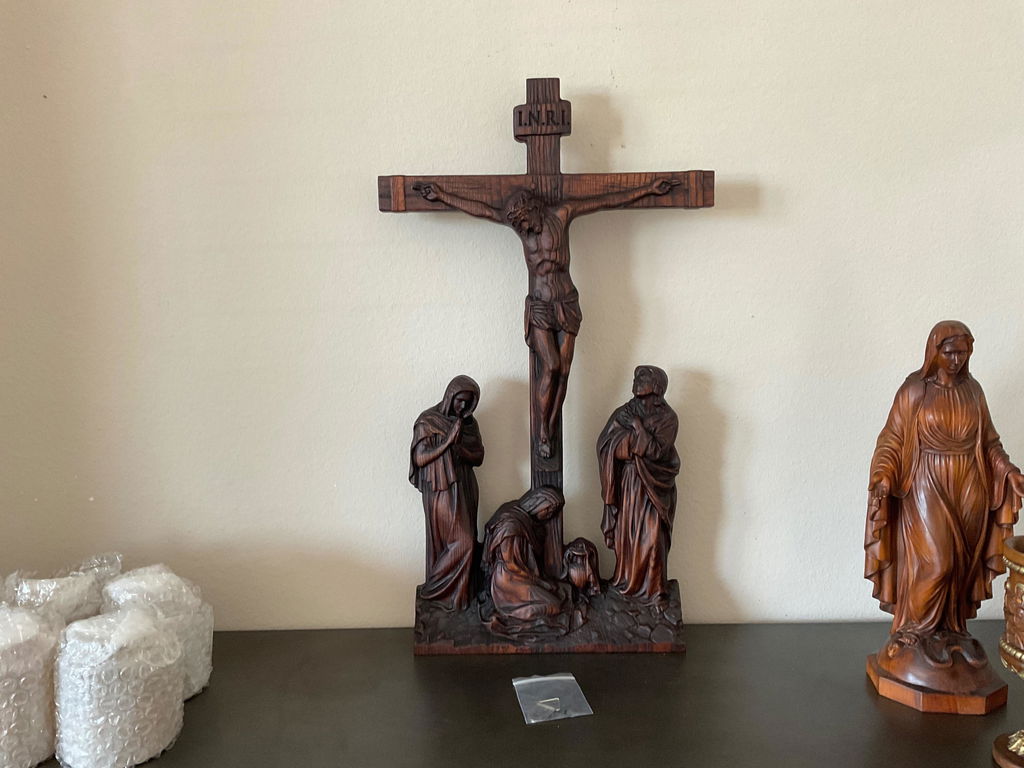
The doctrine of the Trinity is central to Christian faith: one God known as Father, Son, and Holy Spirit. Sacred art cannot explain that mystery completely, nor is it intended to replace prayer or teaching. Instead, an image can help the viewer remember the relationships and actions described in Christian worship. In this carving, the crucified Christ remains the visual center, while the wider composition points toward the Father and the Holy Spirit.
Each element encourages a different kind of reflection. The figure of Christ on the cross recalls self-giving love, suffering, mercy, and hope. The Father can call to mind divine care and the source of creation. The dove, a familiar Christian symbol of the Holy Spirit, suggests peace, guidance, and presence. Seen together, these forms make the cross more than an isolated emblem: they create a visual meditation on communion, love, and God’s nearness.

Why carved wood feels at home in a devotional space
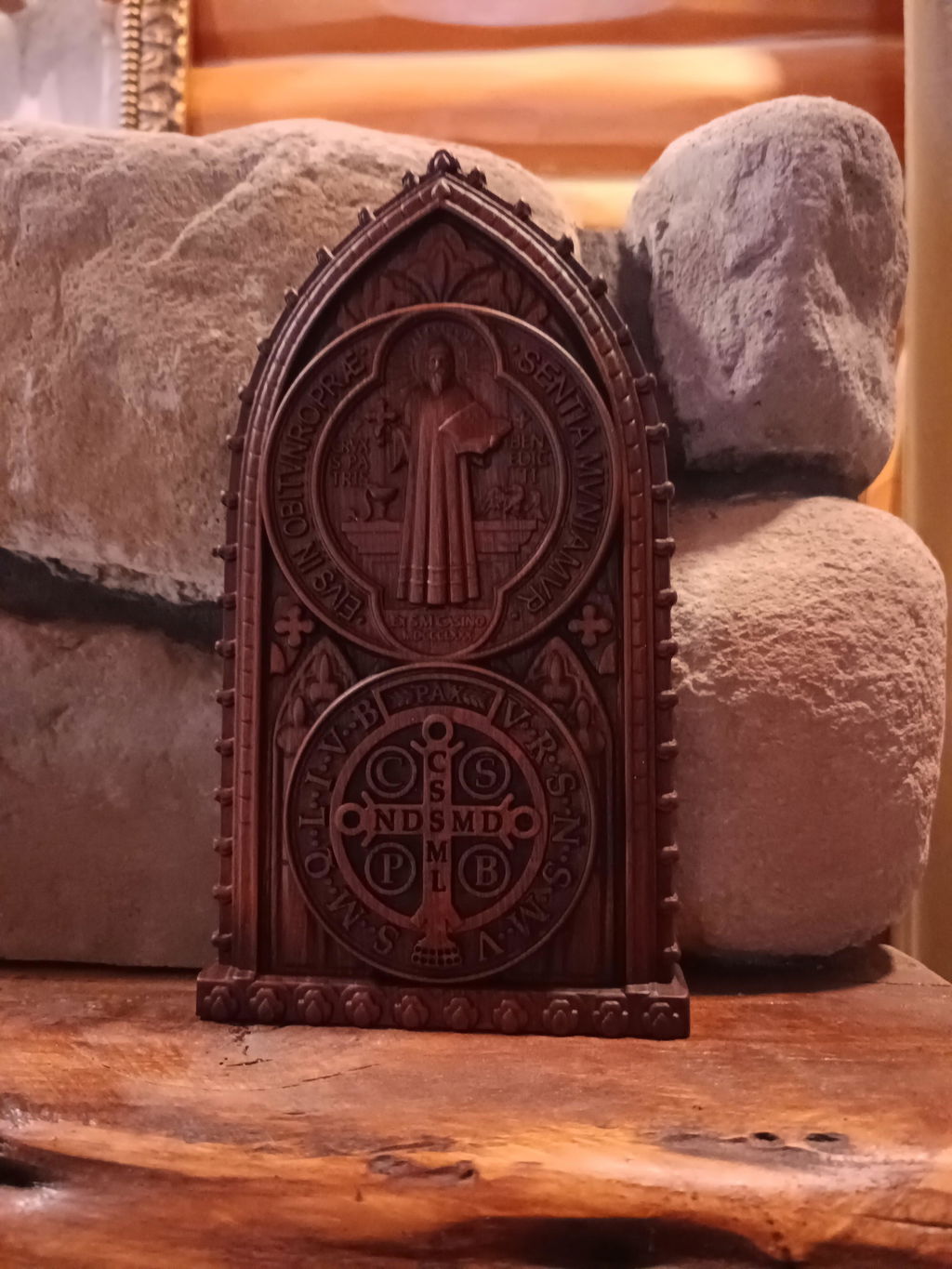
Wood has a particular warmth that suits reflective rooms. Its grain records natural growth, while carved surfaces respond gently to changing light. Raised details create small areas of shadow throughout the day, allowing the image to appear slightly different in morning light, afternoon sun, or the softer illumination of an evening prayer corner. This visual depth is one reason wood carving has remained meaningful in both religious art and home decoration.
The product information identifies this piece as solid beechwood with hand-carved relief. Those details matter aesthetically without requiring grand claims about the object. Natural variation is part of the character of wood: tone and grain need not look mechanically identical from one piece to another. The material also pairs naturally with linen, ceramic vessels, paper, stone, and other understated textures often found in calm interiors.
Craftsmanship can itself encourage attention. Carved contours ask the eye to slow down and notice gesture, expression, and the relationship between figures. That slower way of looking is well suited to devotional art. A person may begin by observing the workmanship, then move toward prayer, a remembered Scripture passage, or simple silence.

Creating a simple family prayer corner
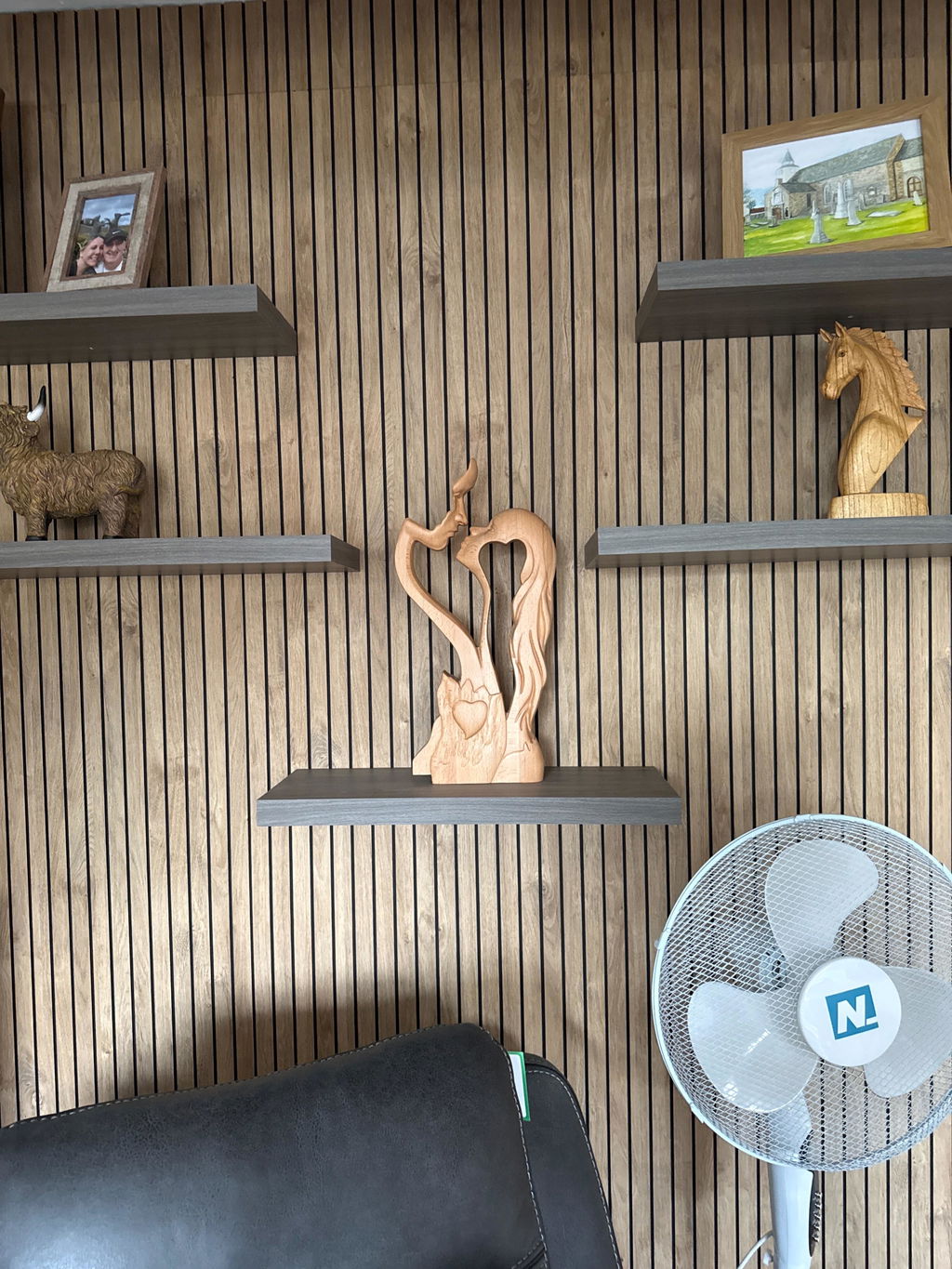
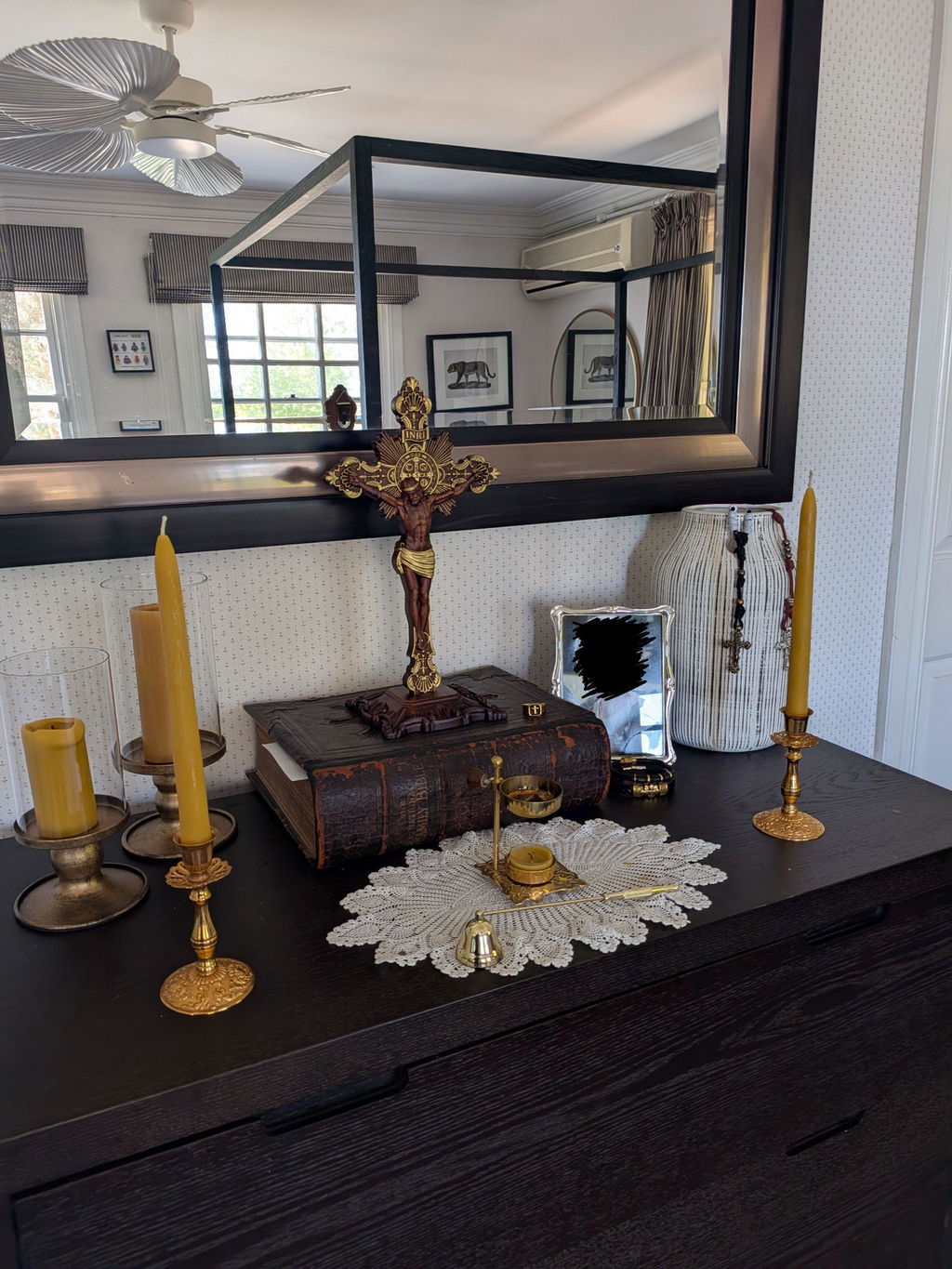
A prayer corner does not require a separate room. A narrow shelf, a small table, or a clear section of wall can be enough. The cross may serve as the main visual focus, accompanied by a Bible, prayer book, rosary, or another object already meaningful to the household. Keeping the arrangement restrained helps preserve a sense of calm and leaves practical space for reading or quiet reflection.
Placement is worth considering. Choose a location where the cross can be seen without competing with a busy cluster of unrelated decorations. A living room can make family prayer feel integrated into daily life, while a bedroom or study offers greater privacy. An entryway can provide a gentle reminder when leaving and returning home. Wherever it is placed, use wall hardware suited to the chosen size and the wall itself.
Light can support the setting, but simplicity is usually best. Indirect daylight reveals the carved relief clearly. If a candle is part of the family’s practice, it should be kept at a safe distance from wood and never left unattended. A small electric light can offer a similar evening atmosphere. The aim is not to create a display for its own sake, but to form a place that helps attention settle.
A cross within the rhythm of the Christian year
Devotional objects often gain meaning through repeated use. During Lent, the crucifix may become a focus for reflection on sacrifice and mercy. In the Easter season, the same cross can be viewed through the hope of resurrection. At Pentecost, the image of the dove may receive special attention. On ordinary days, the Holy Trinity imagery can accompany familiar patterns of morning prayer, evening thanksgiving, or a brief pause during a difficult week.
Families can approach the image in age-appropriate ways. Adults may reflect silently or read a short passage. Children might be invited to identify the Father, Son, and Holy Spirit in the composition, followed by a simple prayer for someone who needs care. The carving does not prescribe a single practice; it can support the traditions and habits a household already follows.

A thoughtful faith-inspired gift
A wooden crucifix can be meaningful when given with attention to the recipient’s faith and home. Appropriate occasions may include a house blessing, wedding, baptism, confirmation, Christmas, Easter, or the creation of a new prayer space. It may also offer quiet encouragement to a family entering a new season of life. The most considerate gift is one that respects the recipient’s devotional tradition rather than treating sacred imagery as a generic decorative trend.
A short handwritten note can explain why the symbol was chosen. Instead of making promises about what the object will do, the giver might share a prayer, a verse meaningful to both people, or a hope that the cross will provide a peaceful place to pause. This keeps the focus on relationship and faith. Those considering the BGCOPPER Holy Trinity wood carving can view its imagery and available presentation options on the product page before deciding whether it suits the intended space.
Living with sacred art quietly
Christian home decor is most meaningful when it participates in life rather than merely filling a wall. Over time, a cross may become associated with everyday prayers, family milestones, grief carried together, and gratitude spoken aloud. The wood may be noticed in changing light; the carved figures may prompt a familiar thought; the whole composition may simply help someone become still.
The Holy Trinity crucifix brings a rich theological subject into a tactile, domestic form. Its value as decor lies not in visual excess, but in the way symbolism, material, and setting work together. Placed thoughtfully and approached with reverence, a carved wooden cross can create a gentle center for prayer while adding natural warmth to the home.