The Sacred Heart at Home: Creating a Prayerful Space with Christian Wood Carving
A home often tells its story through quiet details: a family photograph, a well-used Bible, a candle beside a chair, or a piece of sacred art that gathers attention without demanding it. A Sacred Heart image belongs naturally among these objects. It can remind a household that Christian faith is not limited to formal occasions; it is also lived in ordinary rooms, daily routines, moments of gratitude, and times when prayer is difficult.
The Our Lord Jesus Sacred Heart wood carving from BGCOPPER brings this familiar Christian image into the home through carved form and the visual warmth of wood. Rather than treating it merely as an accent, we can consider how its symbolism, material, and placement may support a reflective Catholic or Christian interior.
The Sacred Heart as an Image of Compassion
Within Catholic devotion, the Sacred Heart of Jesus points toward Christ’s love, mercy, and willingness to suffer for humanity. Its familiar elements are not simply ornamental. The heart directs attention to love; the crown of thorns recalls suffering; and the surrounding radiance suggests light and hope. Different Christian households may relate to devotional images in different ways, but the central invitation is gentle and understandable: pause, remember compassion, and turn the heart toward prayer.
Sacred imagery can also help make abstract ideas visible. Mercy, patience, sacrifice, and faithful love are difficult to represent in a room. An image of Christ offers a focal point through which those virtues can be remembered. It does not replace prayer or Scripture. Instead, it may serve as a visual prompt—a small interruption in a hurried day that calls attention back to what matters.

Why Wood Feels at Home in Sacred Decor
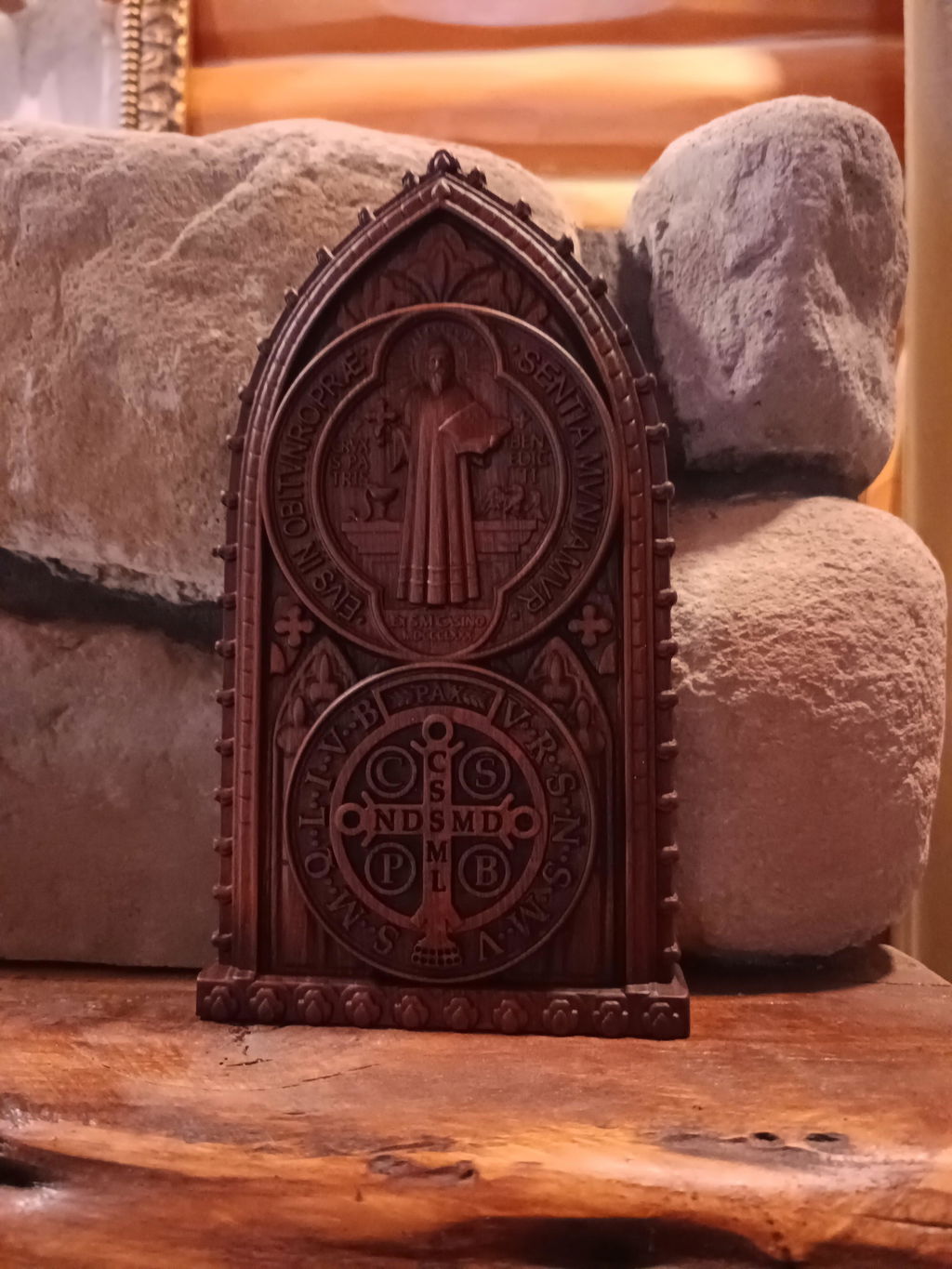
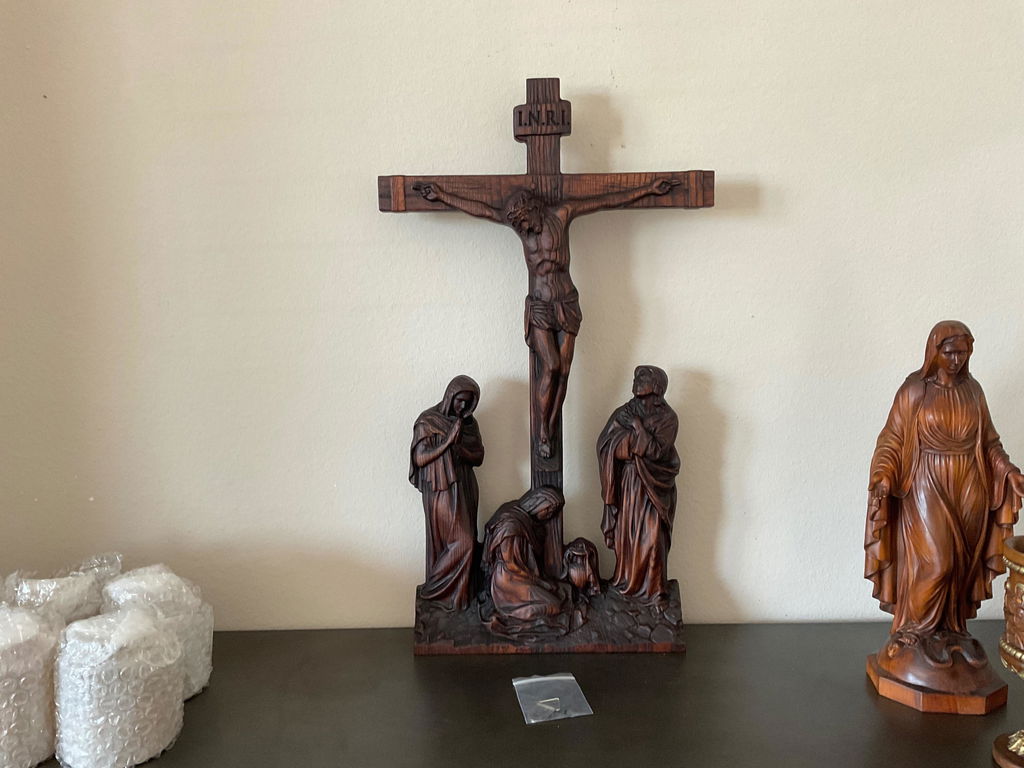
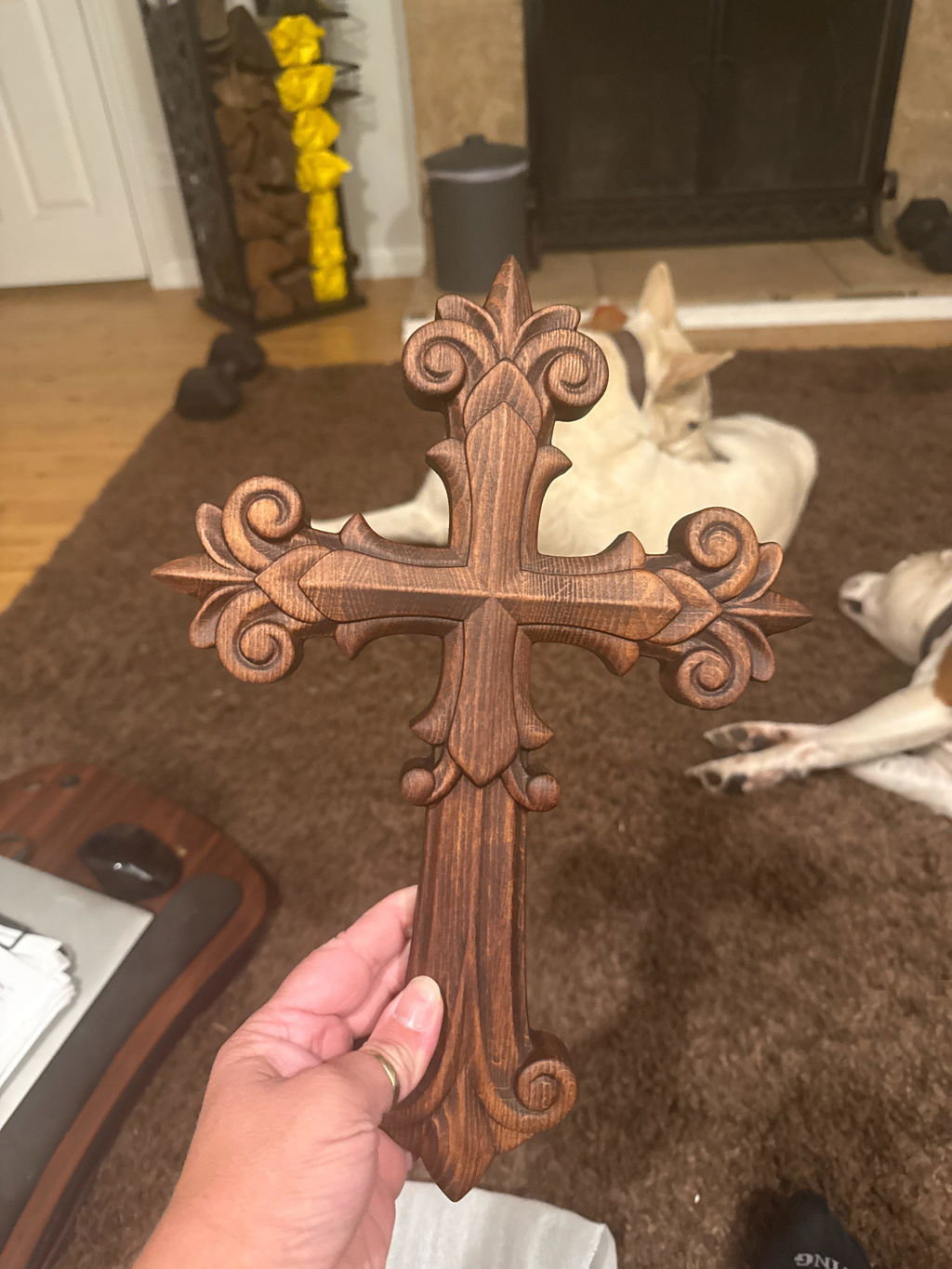
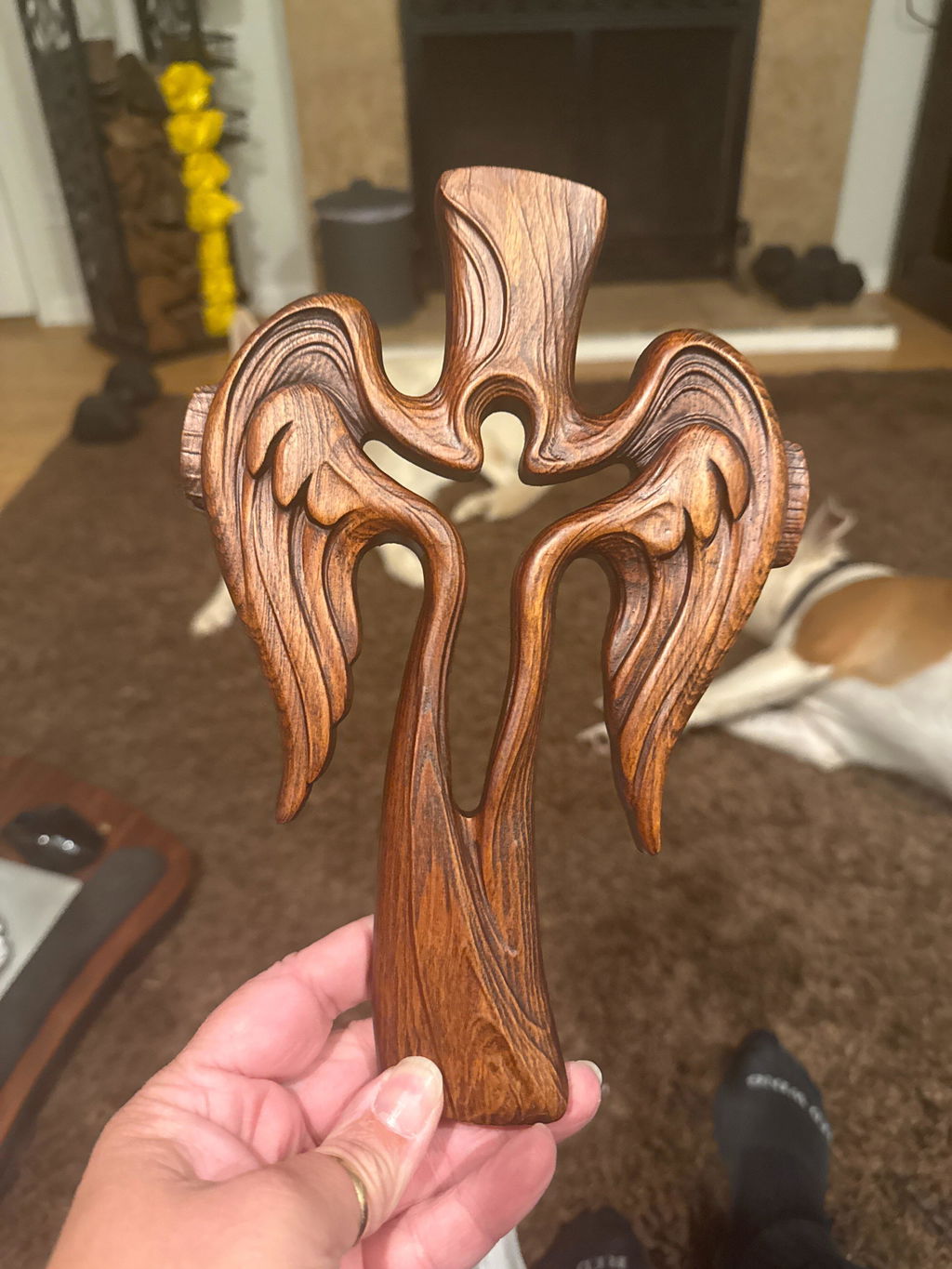
Wood has a particular presence in religious art. Its grain, tone, and slight natural variation keep it from feeling impersonal. Carving adds shadows and contours that change subtly as daylight moves across a wall. From a distance, the overall image is clear; closer viewing reveals lines, recesses, and the patient translation of a devotional subject into physical form.
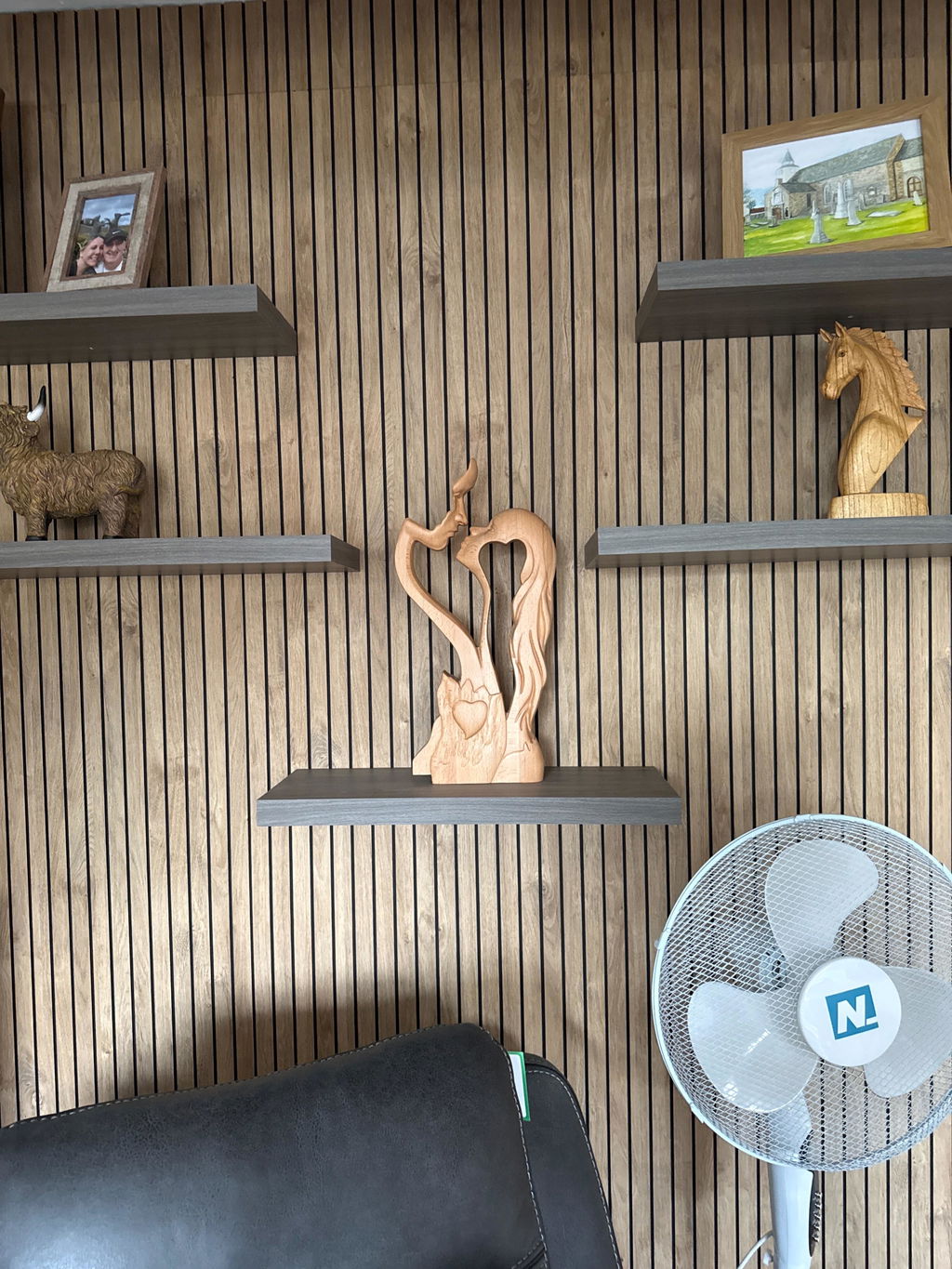
This sense of texture is one reason Christian wood carving works well in both traditional and restrained contemporary spaces. It can sit comfortably near linen, stone, ceramic, books, and other natural materials. It need not be surrounded by elaborate decoration. A simple wall and a little breathing room may allow the image to feel contemplative rather than crowded.
The product description identifies this piece as a beech-wood carving with a water-based painted finish and hand-finished details. As with natural wood objects, differences in grain and tone can be understood as part of the material’s character. Gentle dusting with a soft, dry cloth and protection from prolonged moisture or strong direct sunlight are sensible ways to care for such a piece.
Creating a Prayer Corner That Feels Personal
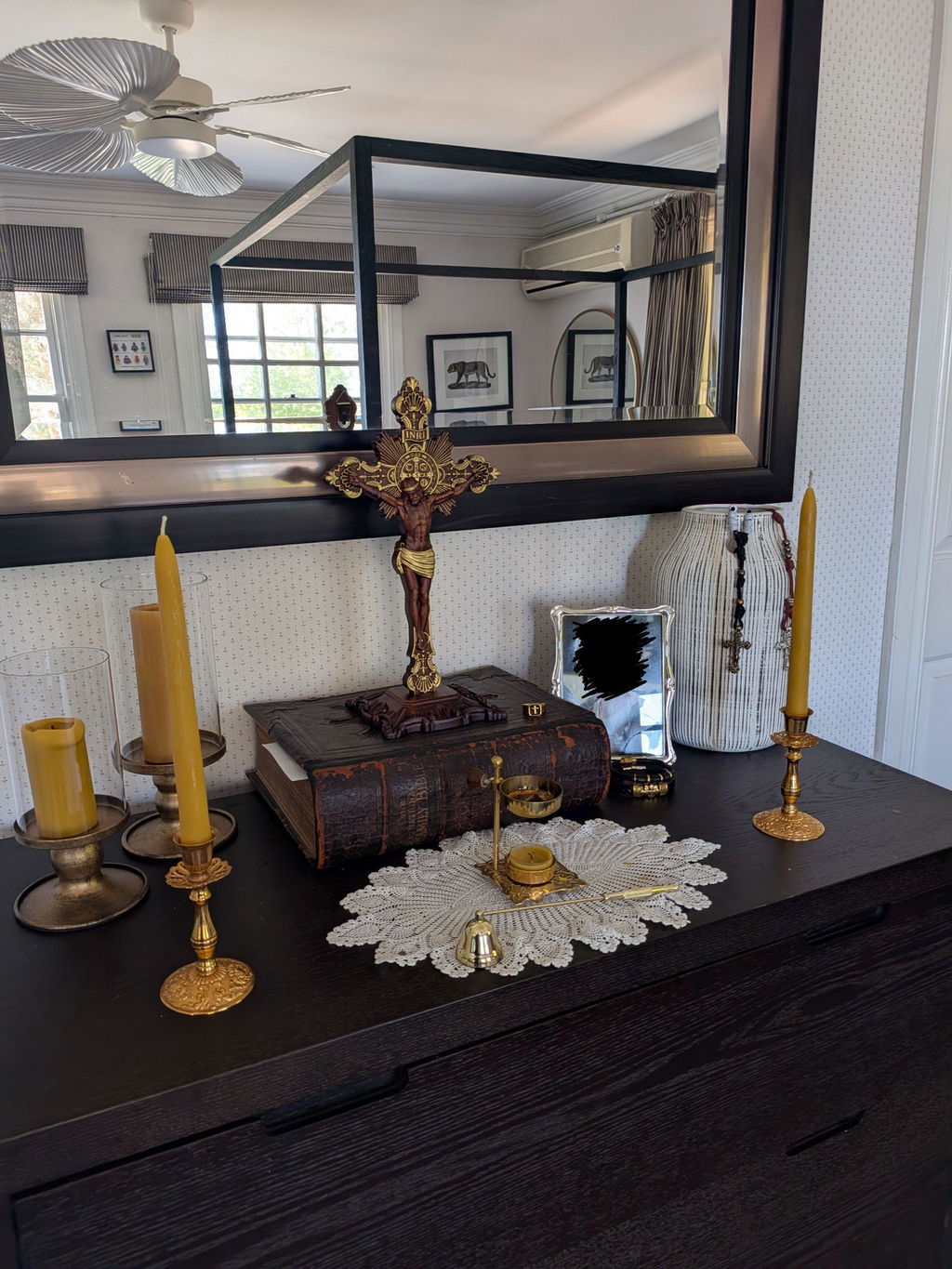
A prayer corner does not require a separate room. A small section of a bedroom, a quiet landing, a shelf in the living room, or a chair near a window may be enough. Begin with one meaningful focal point. The Sacred Heart carved wall piece can anchor the space, while a Bible, prayer book, rosary, candle used safely, or family intention journal can be added according to personal practice.
Keep the arrangement calm and usable. Place frequently handled objects within reach, avoid filling every surface, and consider the light at the times when the corner will be used. Morning light may suit a place for beginning the day with gratitude; a softly lit evening corner may better support examination, intercession, or quiet reading. The goal is not to create a display for others but to make returning to prayer a little more natural.

Thoughtful Placement Beyond a Prayer Space
Sacred art can be integrated into the broader home without losing its meaning. In an entryway, a Sacred Heart image may become a reminder to welcome others with kindness. In a family room, it can quietly express shared values. In a bedroom, it may encourage a reflective beginning or ending to the day. A hallway between busy spaces can also be appropriate, turning an ordinary passage into a moment of recollection.
When choosing a location, look for visual balance. Allow enough clear wall around the carving for its outline to be read easily. Nearby colors do not need to match perfectly; warm neutrals, muted earth tones, and natural textures generally create a harmonious setting. If other devotional pieces are present, grouping them intentionally can feel calmer than scattering many unrelated objects throughout the room.
A Meaningful Faith-Inspired Gift
Religious gifts often carry two layers: the object itself and the intention behind giving it. A Sacred Heart carving may be considered for a housewarming, wedding, anniversary, baptismal celebration, confirmation, Christmas, or another faith milestone. It may also be offered without a formal occasion to someone establishing a prayer space or seeking a visible reminder of Christ’s compassion.
The accompanying message matters. A short handwritten note can explain why the image was chosen, offer a prayer for the recipient’s home, or recall a shared experience of faith. This keeps the gift personal and avoids asking the object to communicate everything on its own. Before giving devotional art, it is thoughtful to consider the recipient’s tradition, taste, and available space.

Living With an Image, Not Just Decorating With It
The deepest value of faith-inspired home decor may emerge gradually. Over time, an image becomes associated with morning prayers, family changes, difficult seasons, and moments of thanksgiving. Its meaning is renewed not by constant attention but by faithful return. Even a brief glance can prompt a simple prayer: for patience, mercy, courage, or the needs of another person.
For families, sacred art can also invite age-appropriate conversations. Children may ask about the heart, the thorns, or the figure of Jesus. Those questions create opportunities to speak simply about love that accepts sacrifice, mercy offered to others, and hope maintained through hardship. The carving remains a visual starting point; the family’s words and practices give it lived context.
A Quiet Center for a Faith-Filled Home
A Christian home need not look like a chapel, nor does meaningful Catholic home decor need to be grand. Often one carefully chosen object, placed with intention, contributes more than a crowded arrangement. The Sacred Heart is especially suited to this quiet role because its message centers on love, mercy, and nearness.
Whether incorporated into a dedicated prayer corner or displayed in an everyday living space, this Sacred Heart wood carving offers a warm meeting point between Christian symbolism and natural material. Its purpose is not urgency or spectacle. It is an invitation to remember: amid the practical rhythms of home, there is still room for reflection, compassion, and prayer.