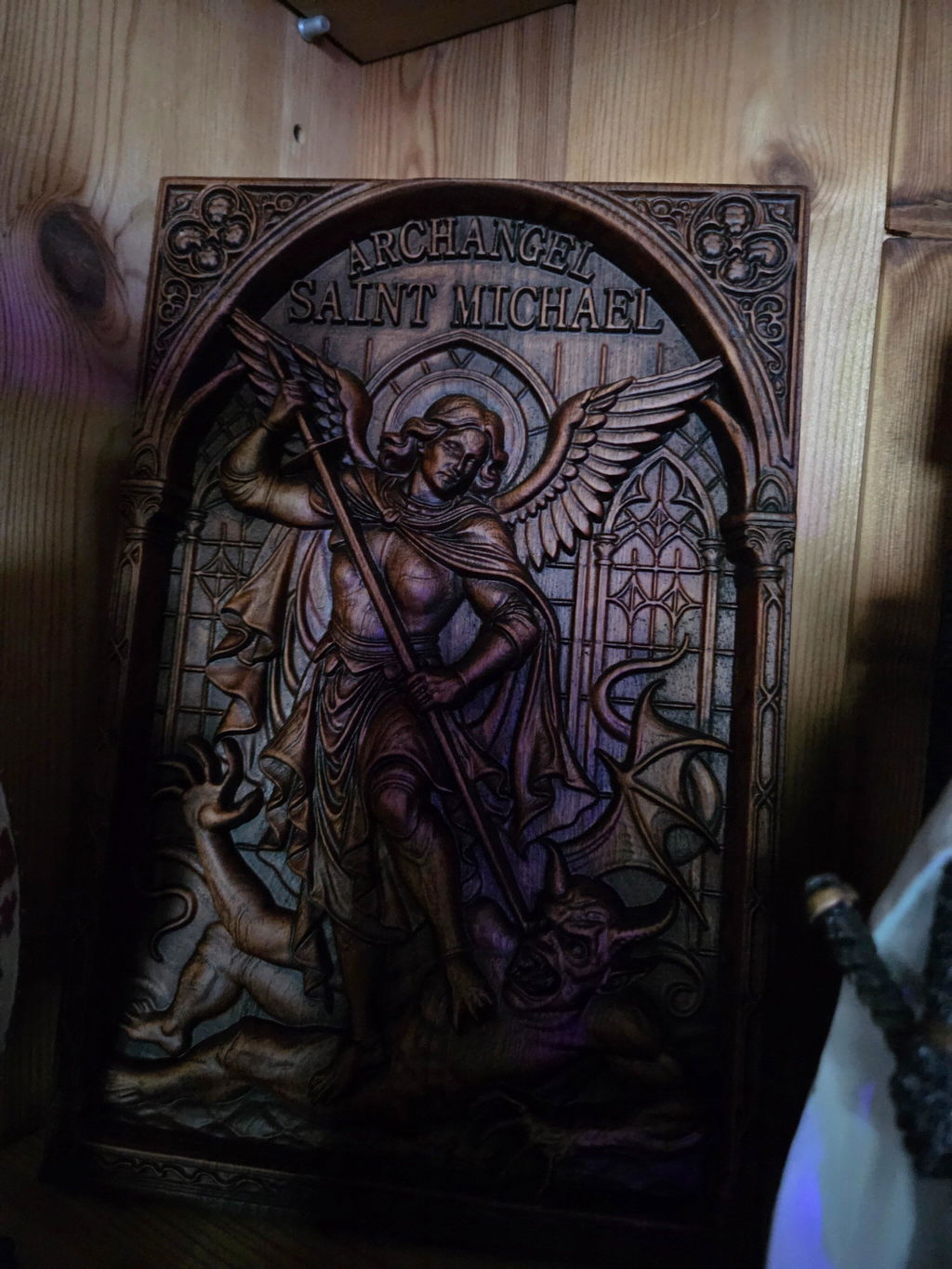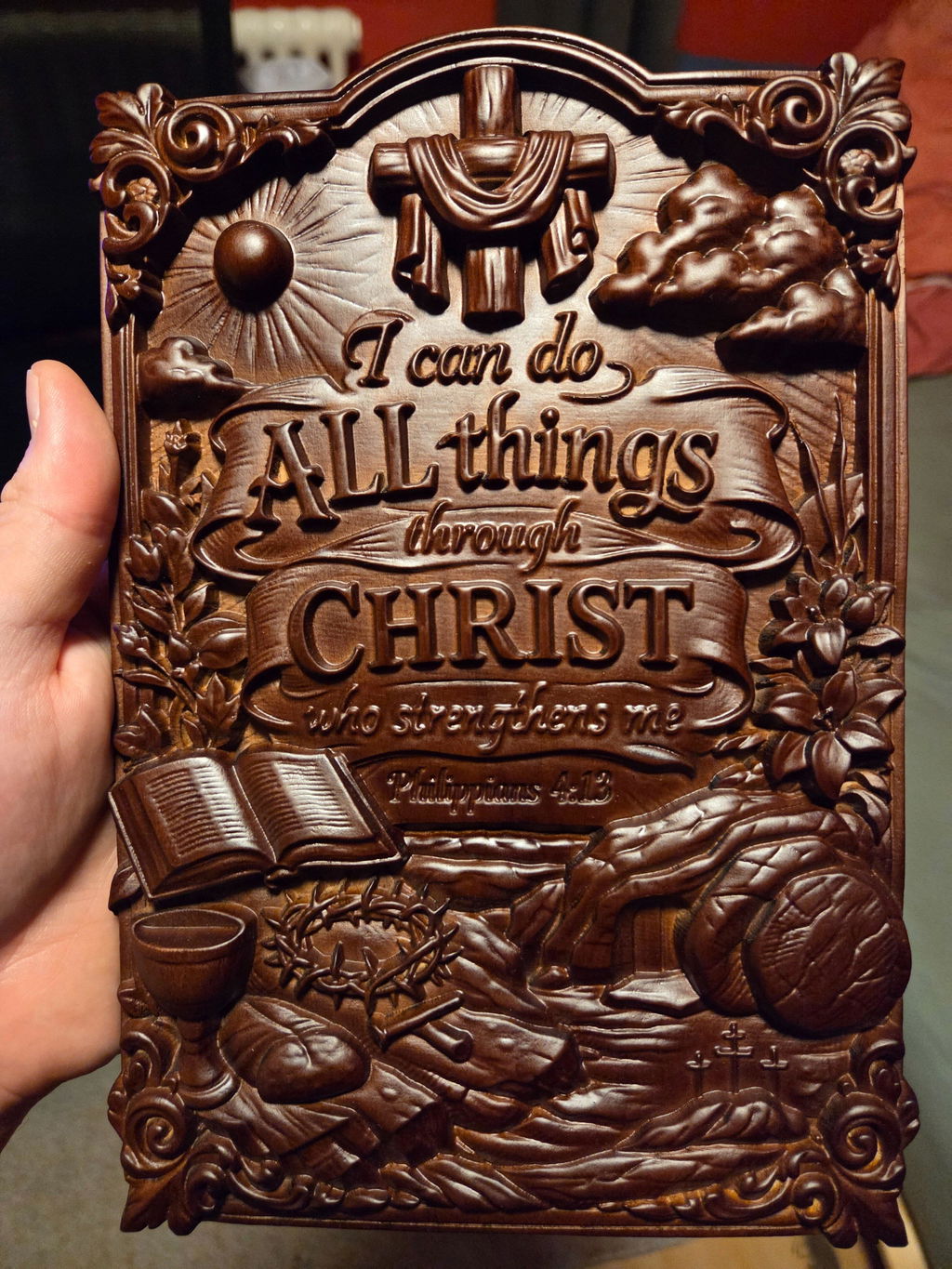
A Hand-Carved Beechwood Crucifix for a Quiet Christian Prayer Corner
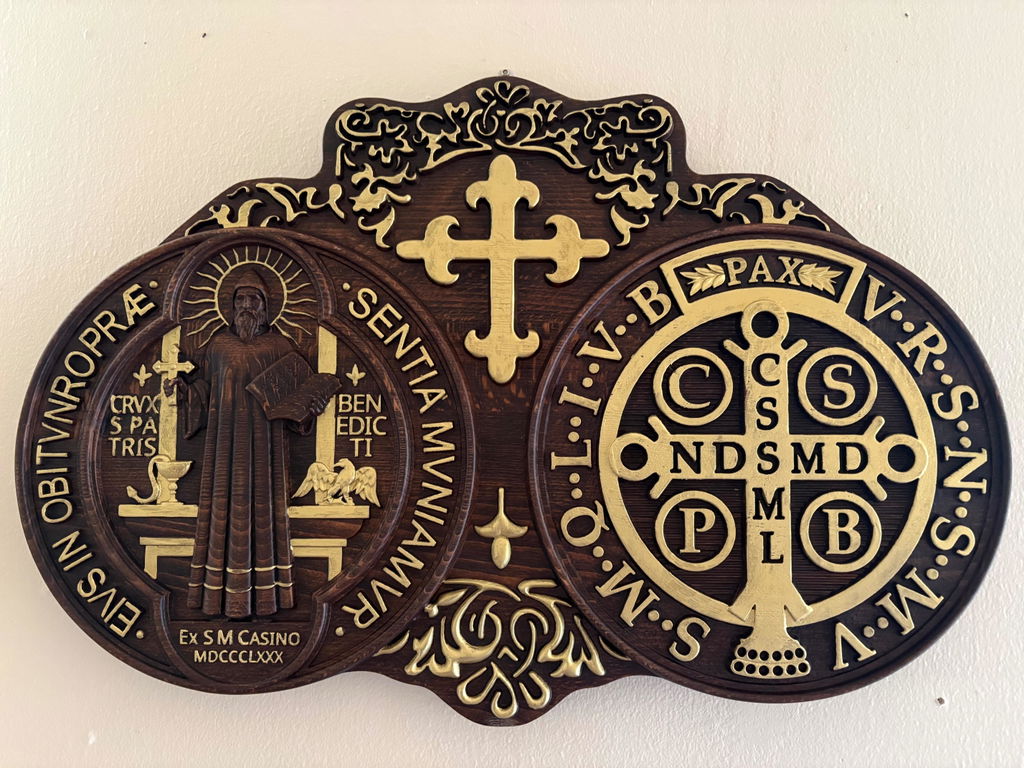
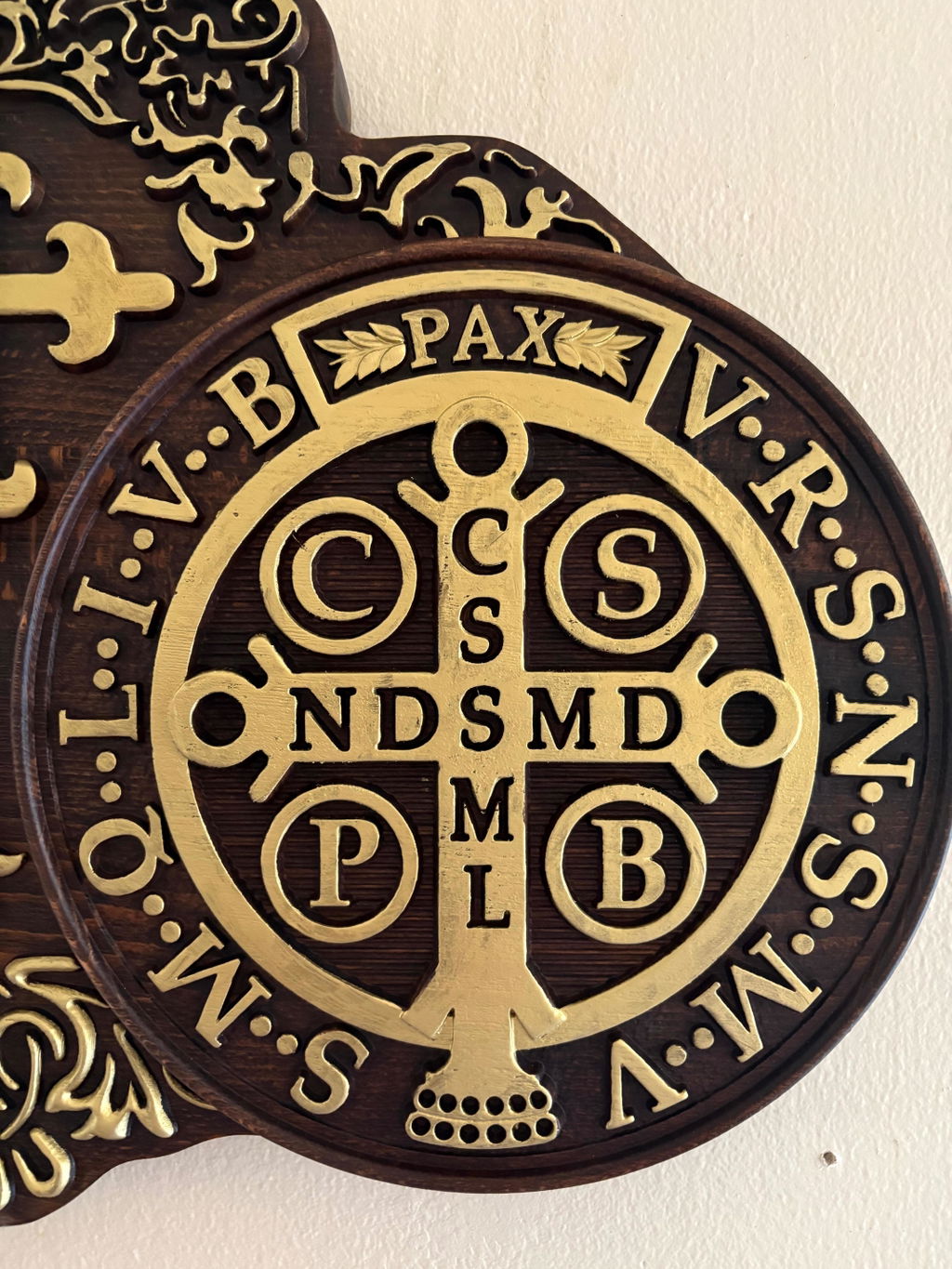
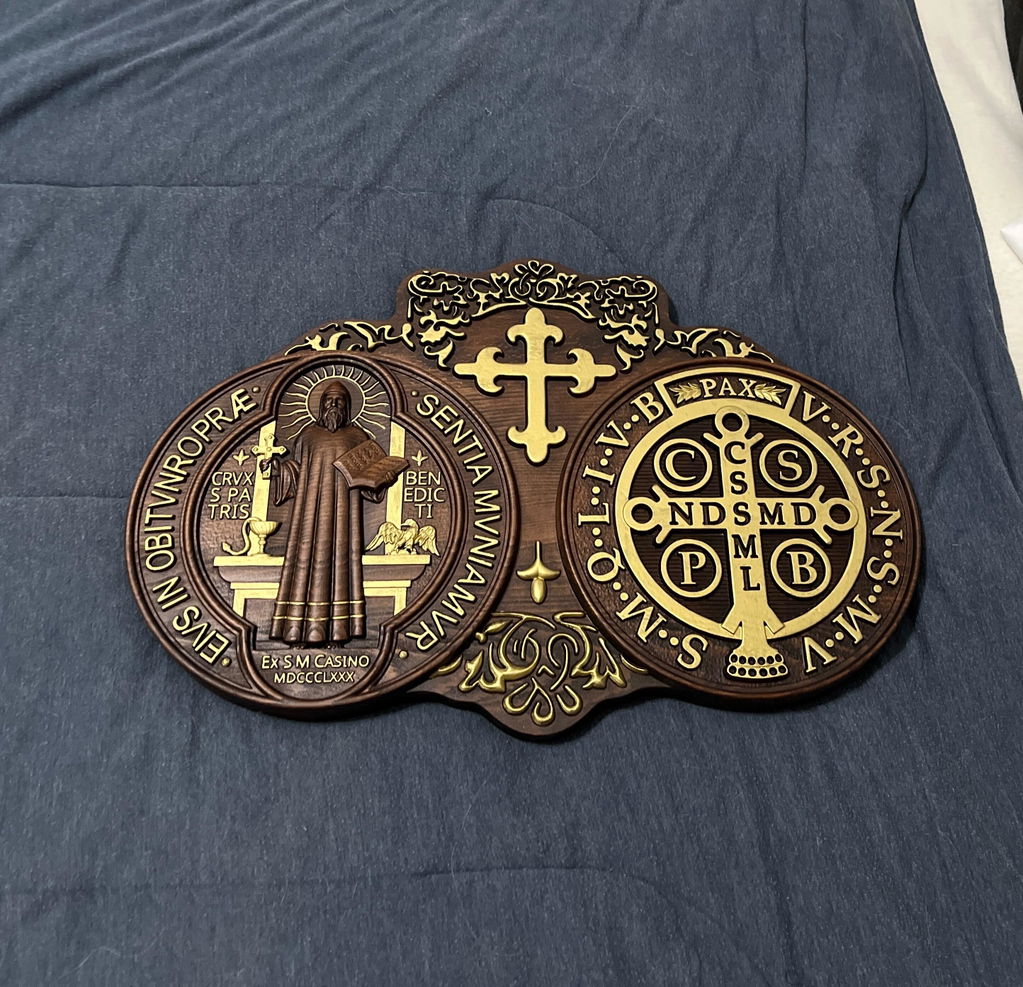
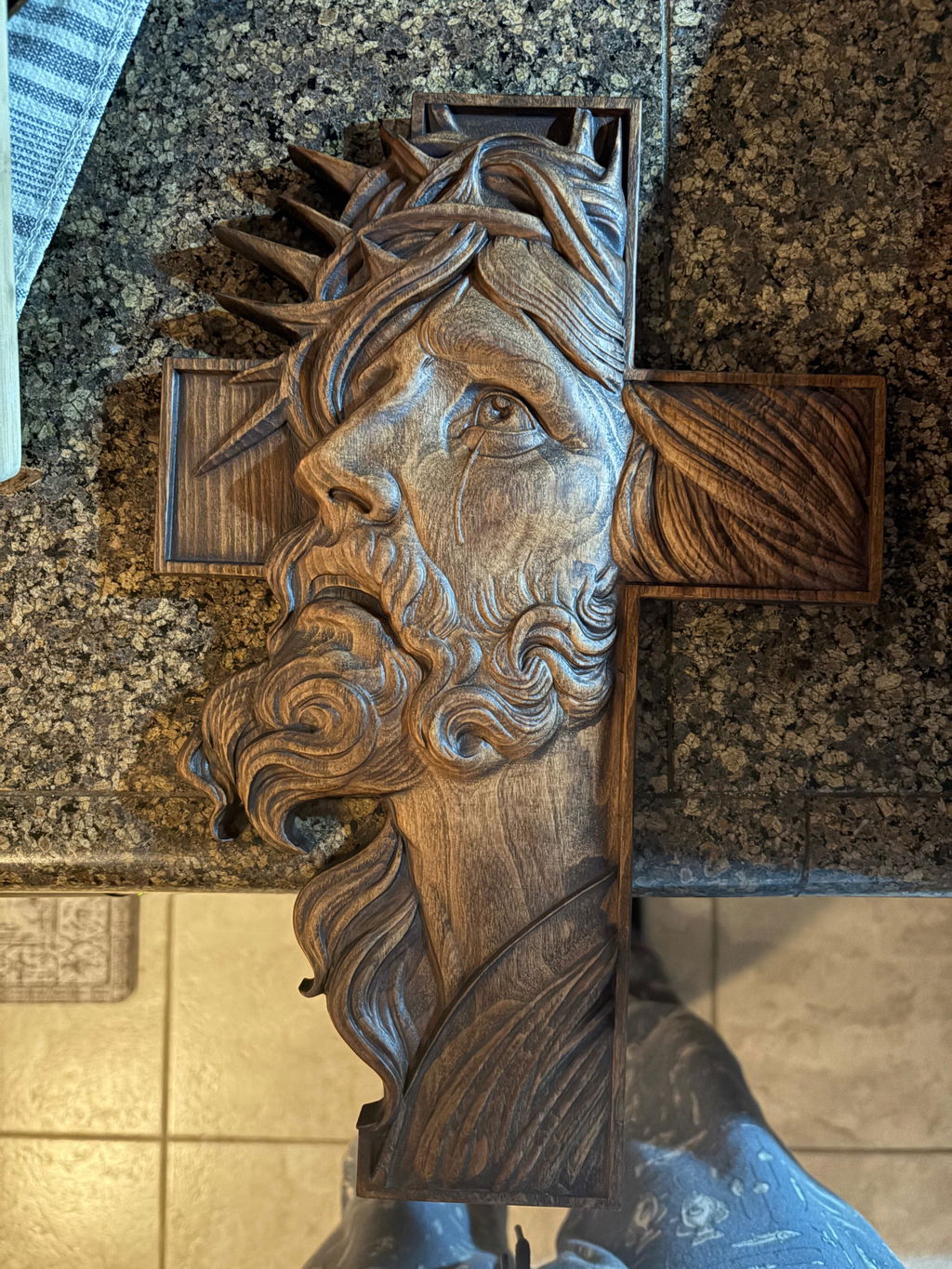
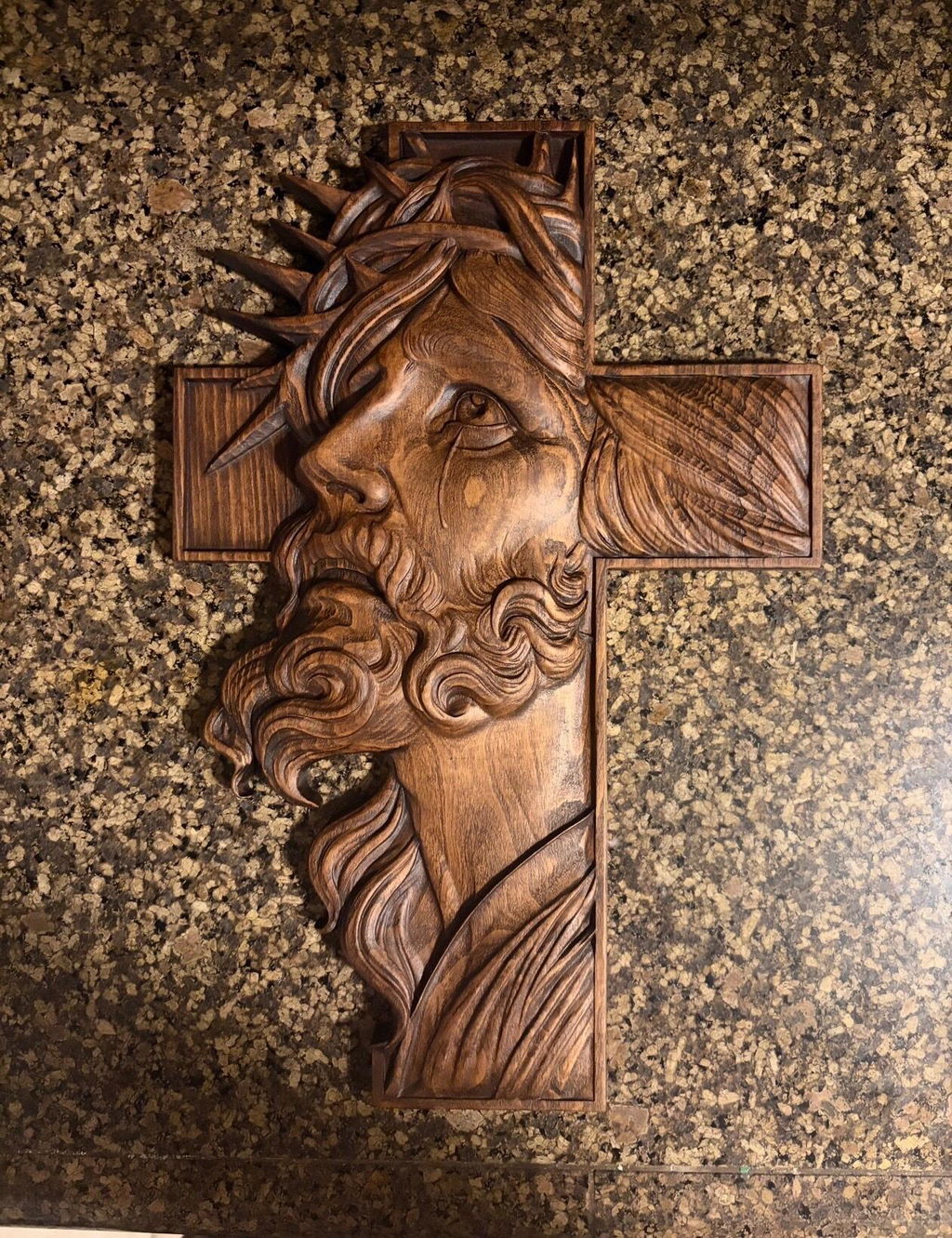
In many Christian homes, the cross is not simply an object placed on a wall. It is a quiet point of orientation: a reminder of mercy, sacrifice, hope, and the daily invitation to prayer. A carved wooden crucifix has a particular gentleness in this role. Its form is familiar, but the grain of the wood, the touch of hand carving, and the warmth of a natural material make it feel close to ordinary family life. The hand-carved beechwood religious cross from BGCOPPER offers this kind of presence: devotional in subject, artistic in detail, and suitable for a space where faith is lived in small, steady ways.

The Cross as a Daily Christian Symbol
The cross is one of the most recognizable symbols in Christianity, yet its meaning remains deeply personal. For many believers, it recalls the Passion of Christ and the promise of resurrection. It can also speak to endurance, forgiveness, humility, and the mystery of love that gives itself completely. In Catholic and broader Christian home decor, a crucifix often serves as a visible reminder that faith belongs not only in church buildings, but also in kitchens, bedrooms, hallways, studies, and family gathering spaces.
Because the cross carries such weight, the way it is presented matters. A wooden crucifix does not need to feel ornate or overpowering. It can be reverent without being severe. The carved figure, the shape of the cross, and the surrounding details invite the eye to slow down. In a home, this can gently interrupt the pace of the day. Passing by a crucifix may become a moment for a short prayer, an inward pause, or a renewed sense of gratitude.
The Warmth of Beechwood and Hand-Carved Detail
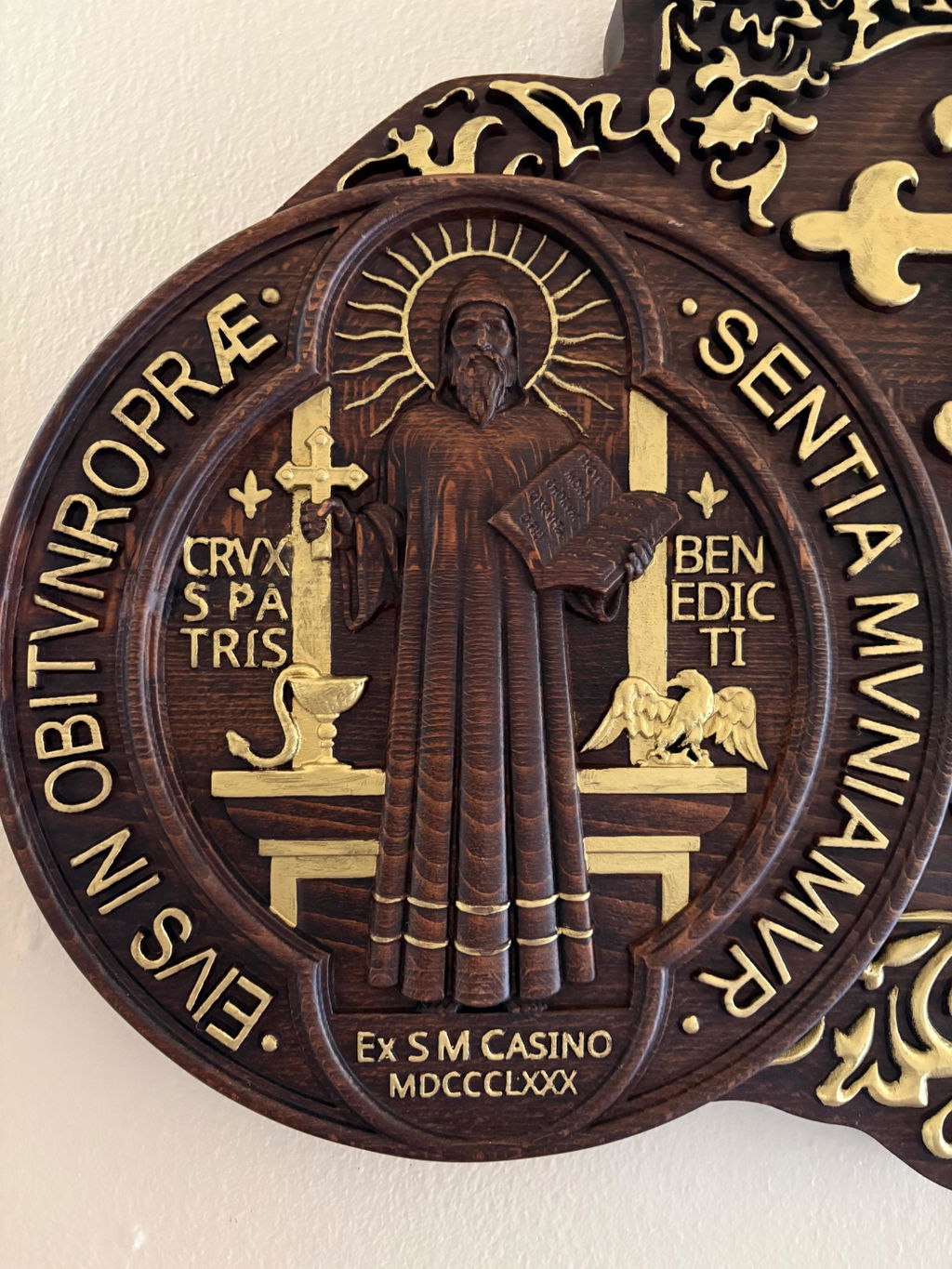
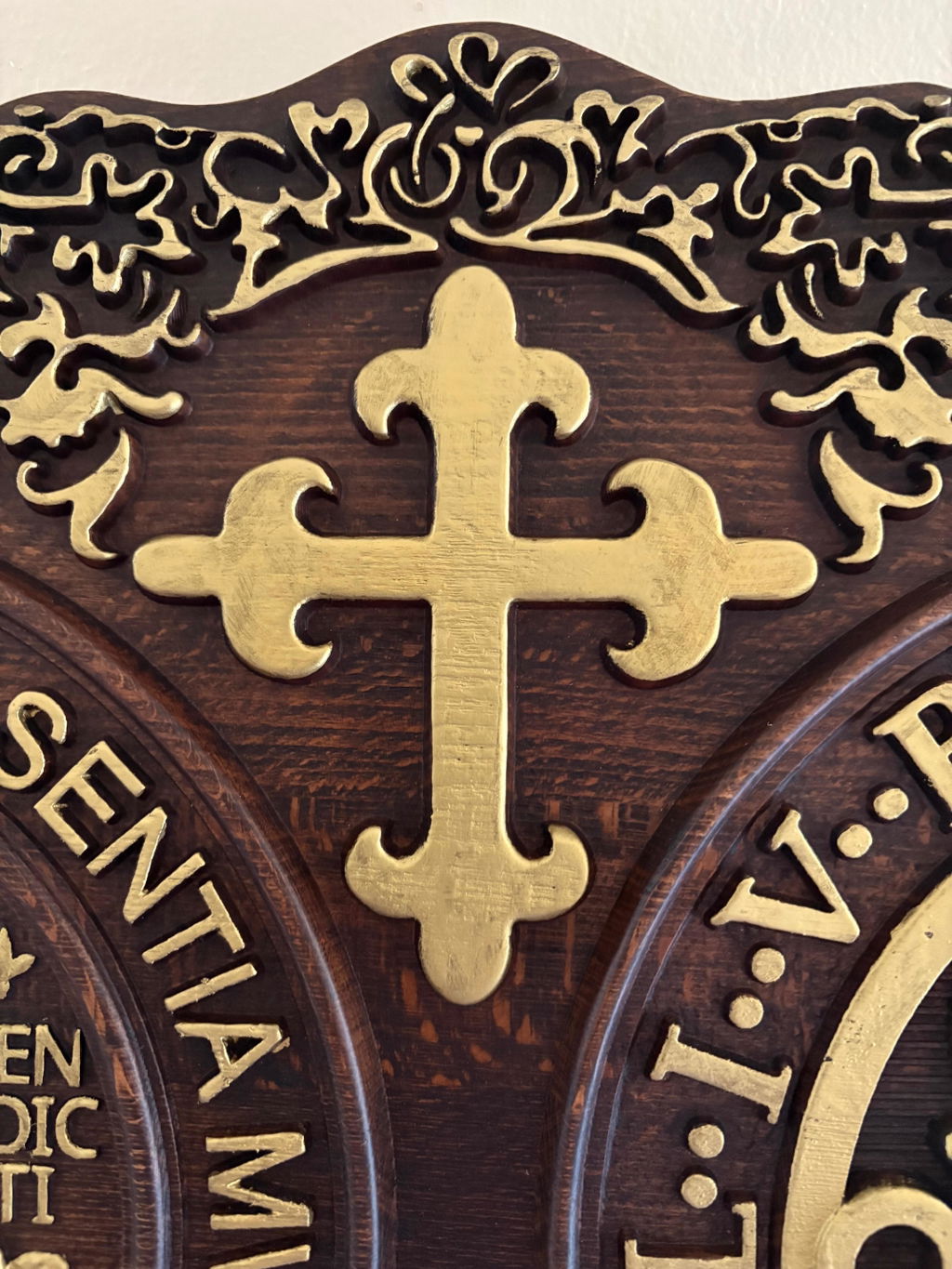
Wood has long been associated with simplicity, shelter, work, and natural beauty. In religious art, it brings a tactile warmth that metal, stone, or printed images may not express in the same way. Beechwood, as described in the product information, gives this crucifix a natural grain and a solid presence. The carving allows devotional imagery to emerge from the material rather than merely sit upon it. That relationship between image and wood is part of what makes Christian wood carving meaningful: the material itself seems to participate in the act of remembrance.
Hand-carved religious decor also carries the trace of human attention. Small variations and carved contours can make a devotional object feel less mechanical and more contemplative. This is especially appropriate for a crucifix, where the subject invites meditation rather than quick consumption. A piece like this beechwood Christian crucifix may be appreciated not only as wall art, but as a crafted expression of faith intended to be seen slowly over time.

Creating a Peaceful Prayer Corner at Home
A home prayer corner does not require a large room or elaborate arrangement. Often, the most meaningful spaces are modest: a small table, a candle used safely, a Bible or prayer book, a rosary, a favorite icon, and a crucifix on the wall above. The purpose is not display for its own sake, but a dedicated place where the heart can return. In Catholic homes, a crucifix can anchor this space visually and spiritually, giving the prayer corner a clear focus.
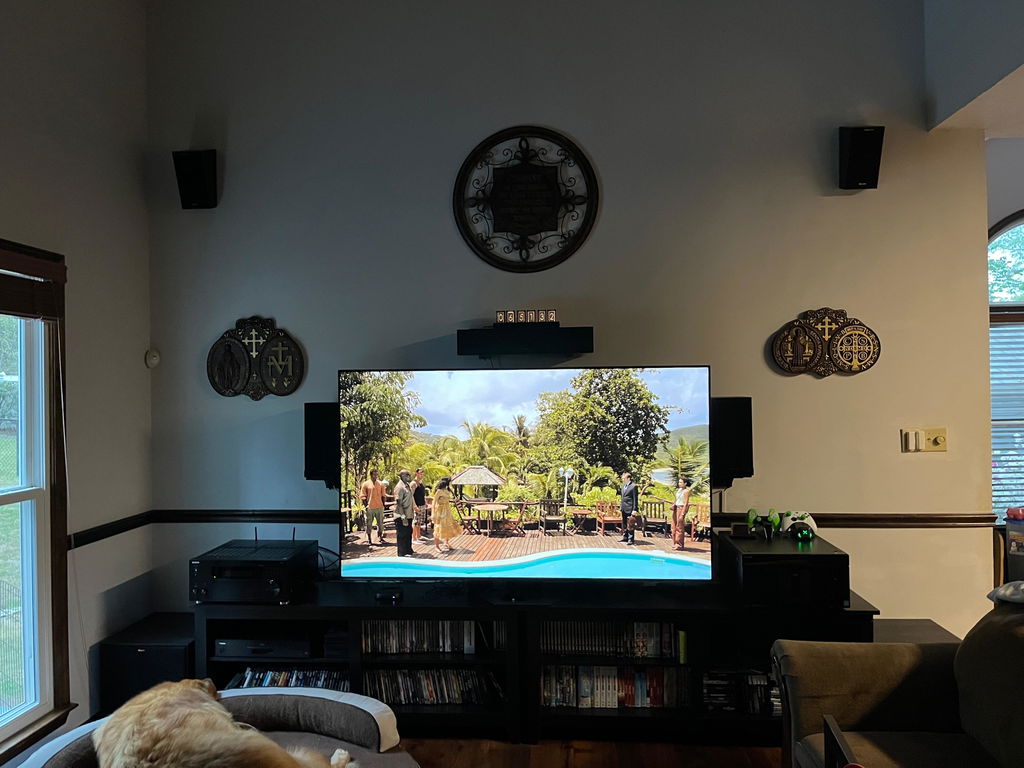
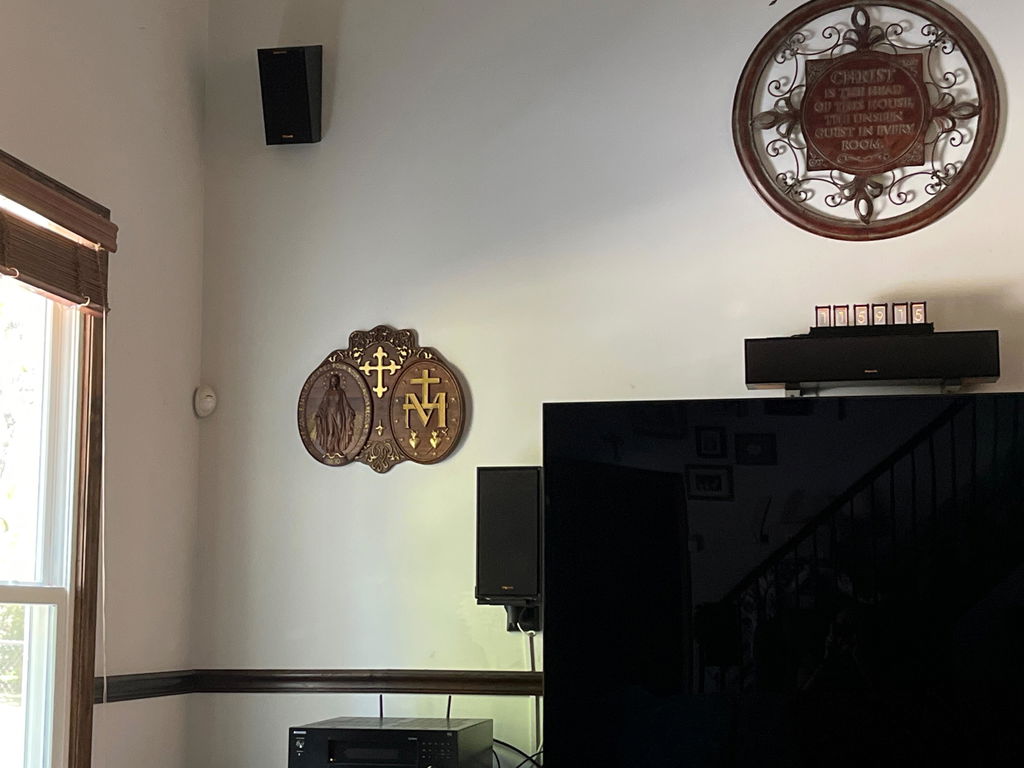
Placement can be simple. A crucifix may hang above a reading chair, beside a bedside table, near a family prayer shelf, or in a hallway where the household passes each day. Some families prefer it near the entrance, where it quietly frames the rhythm of leaving and returning. Others place it in a bedroom as a reminder to begin and end the day with prayer. In each setting, the carved wood softens the atmosphere. It blends easily with linen, ceramic, books, warm lighting, and other natural textures often found in peaceful interiors.
For Christian home decor, balance is important. A crucifix should not have to compete with too many decorative elements. Giving it a little breathing room on the wall can help preserve its contemplative quality. Nearby objects may support the theme without crowding it: a small vase of seasonal branches, a simple framed scripture verse, or a neutral-toned shelf. The result can feel both sacred and lived-in, a reminder that prayer belongs in the ordinary rooms of the home.
A Thoughtful Gift for Faith Milestones
Religious gifts are most meaningful when they respect the recipient's faith journey. A carved wooden crucifix can be appropriate for many moments: a housewarming, a wedding, an anniversary, a baptism celebration for a family home, First Holy Communion, Confirmation, Christmas, Easter, or a season of renewed prayer. It is also a considerate gift for someone setting up a first apartment, a small chapel area, or a quiet devotional corner.
Unlike a highly trend-driven decor item, a crucifix is connected to memory and continuity. It may become part of family prayer, remain on a wall through changing seasons, and gradually gather associations with ordinary acts of faith. When given thoughtfully, it does not need exaggerated language or dramatic promises. Its meaning is already rooted in the Christian story. The giver can simply offer it as a sign of blessing, encouragement, and companionship in prayer.

Living with Sacred Art in an Everyday Home
Sacred art in the home works best when it encourages attention rather than distraction. A hand-carved crucifix can do this quietly. It may catch morning light, stand out against a plain wall, or become part of the background of family life until a difficult day makes its presence newly visible. This is one of the strengths of wooden religious decor: it is humble enough for everyday rooms, yet rich enough to sustain reflection.
The BGCOPPER crucifix is described as hand-carved beechwood, with Christian imagery shaped into the cross. Those details make it suitable for readers who are drawn to Catholic home decor, Christian wood carving, and devotional objects that feel warm rather than flashy. Whether placed in a prayer corner, living room, bedroom, or study, it can help create a space where faith is not hidden away, but held with quiet dignity.
In the end, a crucifix is not meaningful because it fills a wall. It is meaningful because it points beyond itself. Wood, carving, and form all serve that deeper purpose. In a home shaped by prayer, even a small pause before the cross can become a way of remembering what is central: love, sacrifice, hope, and the presence of God in ordinary life.