A St. Benedict Wood Carving for a Peaceful Catholic Home
A Christian home often speaks in quiet signs. A Bible resting on a side table, a candle near an icon, a rosary placed where the hand can find it, or a crucifix above a doorway can gently shape the atmosphere of a room. These objects do not need to be loud to be meaningful. They invite remembrance. They help the heart return to prayer in the middle of ordinary life.
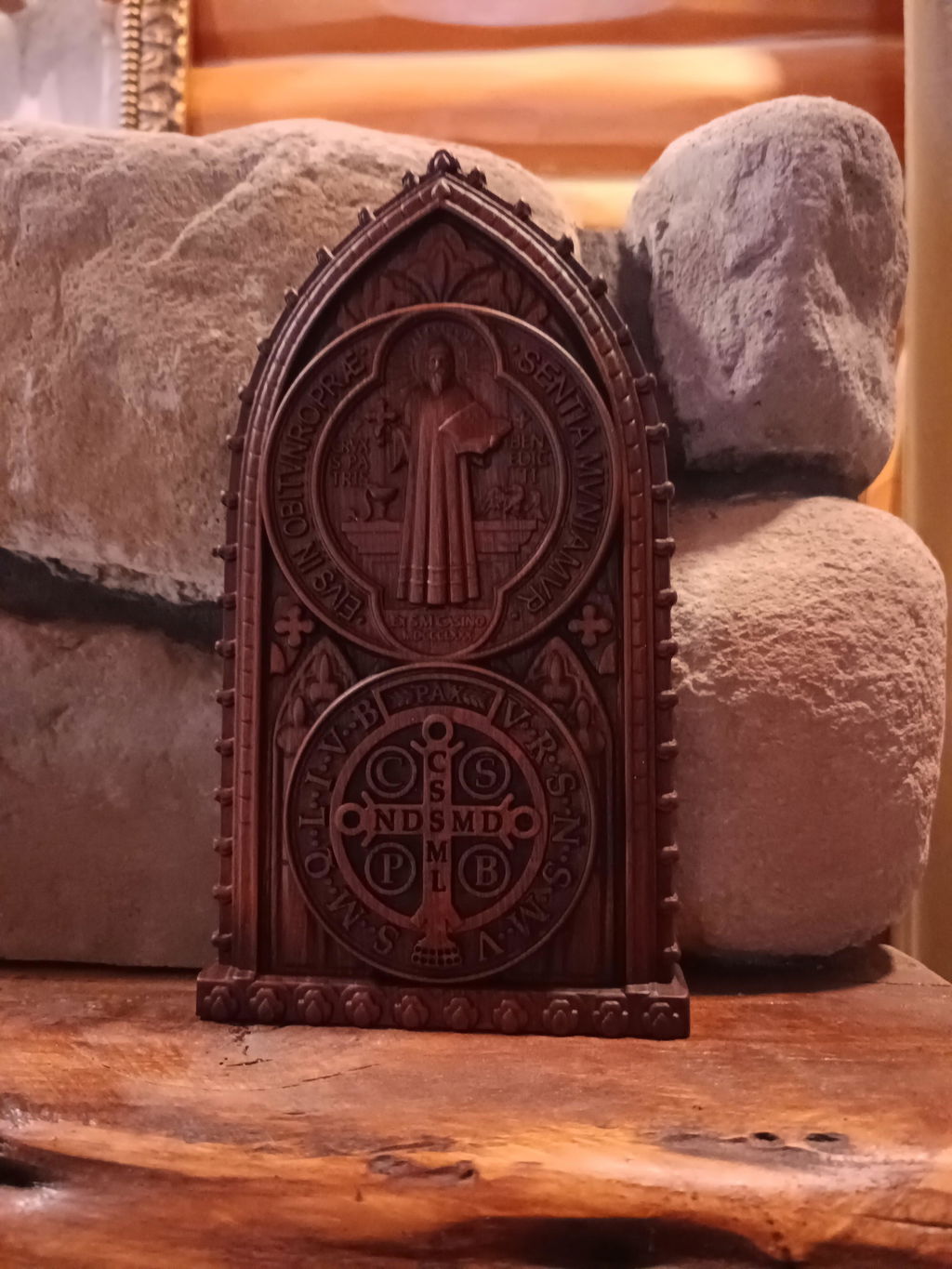
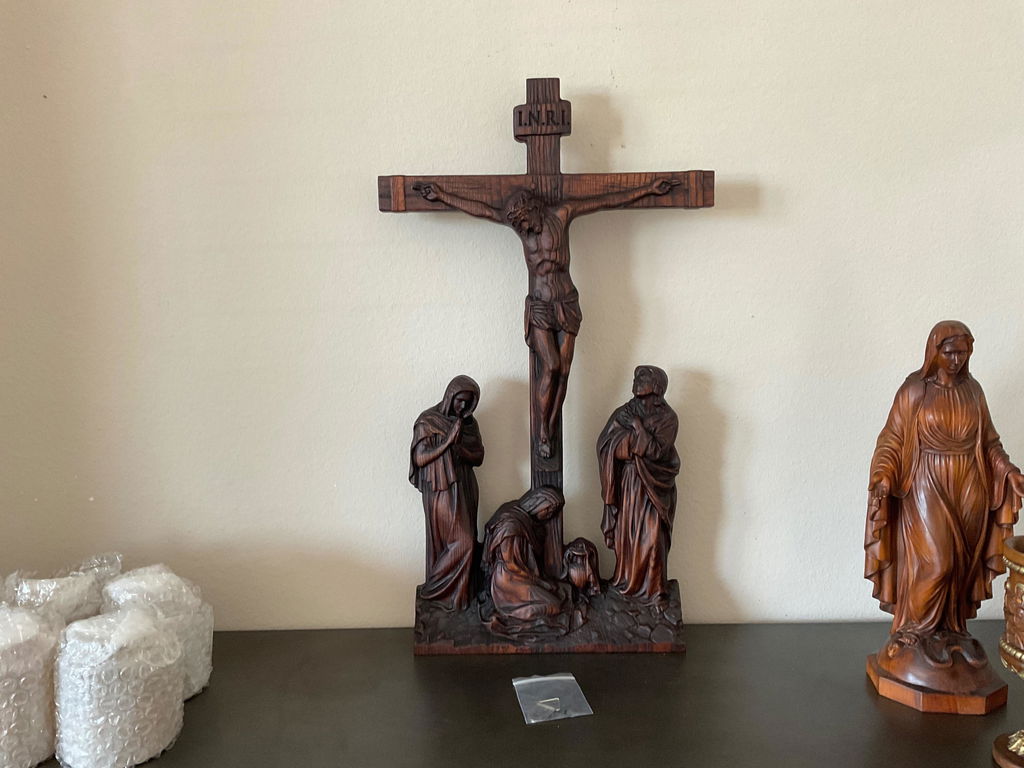
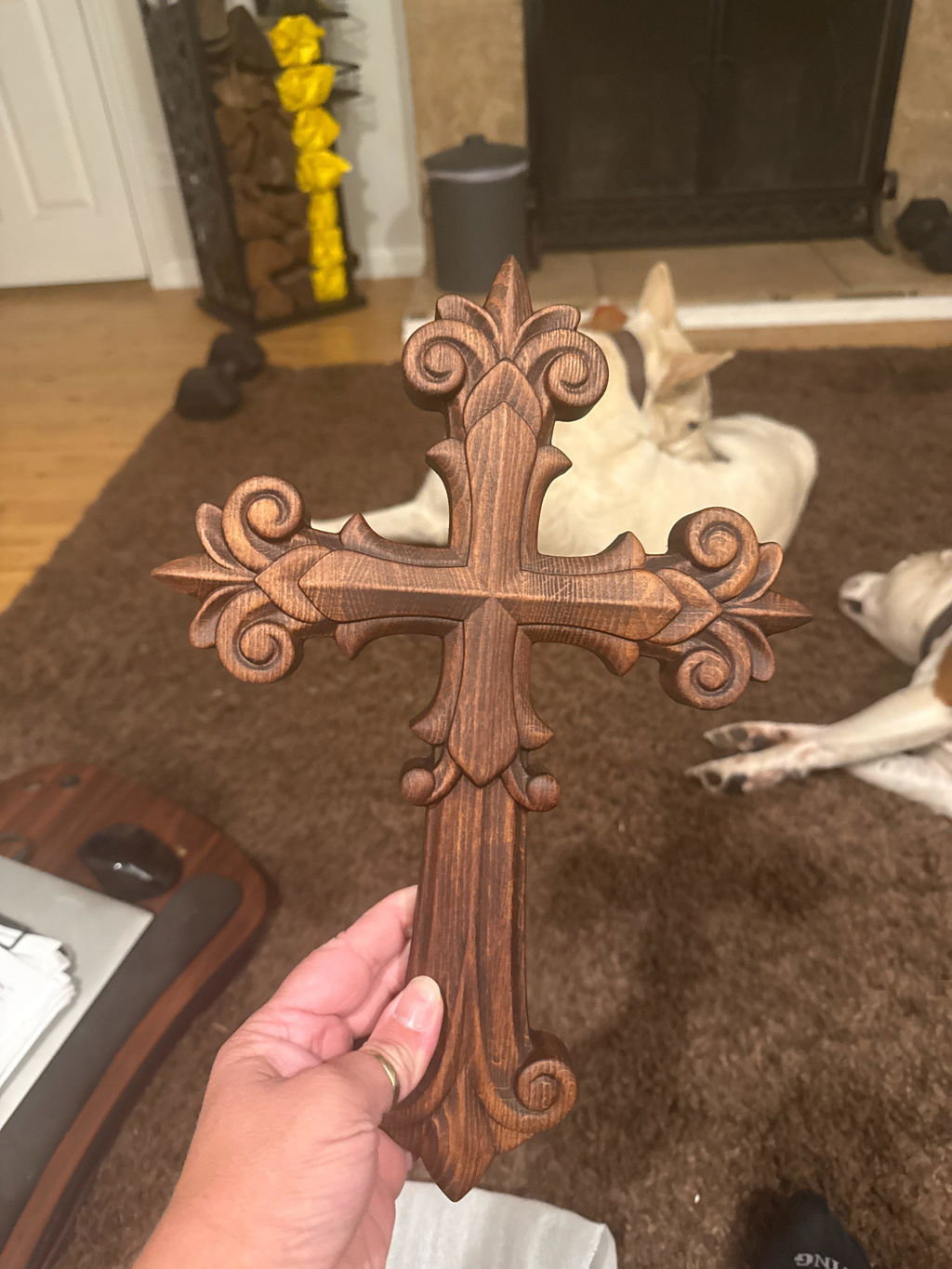
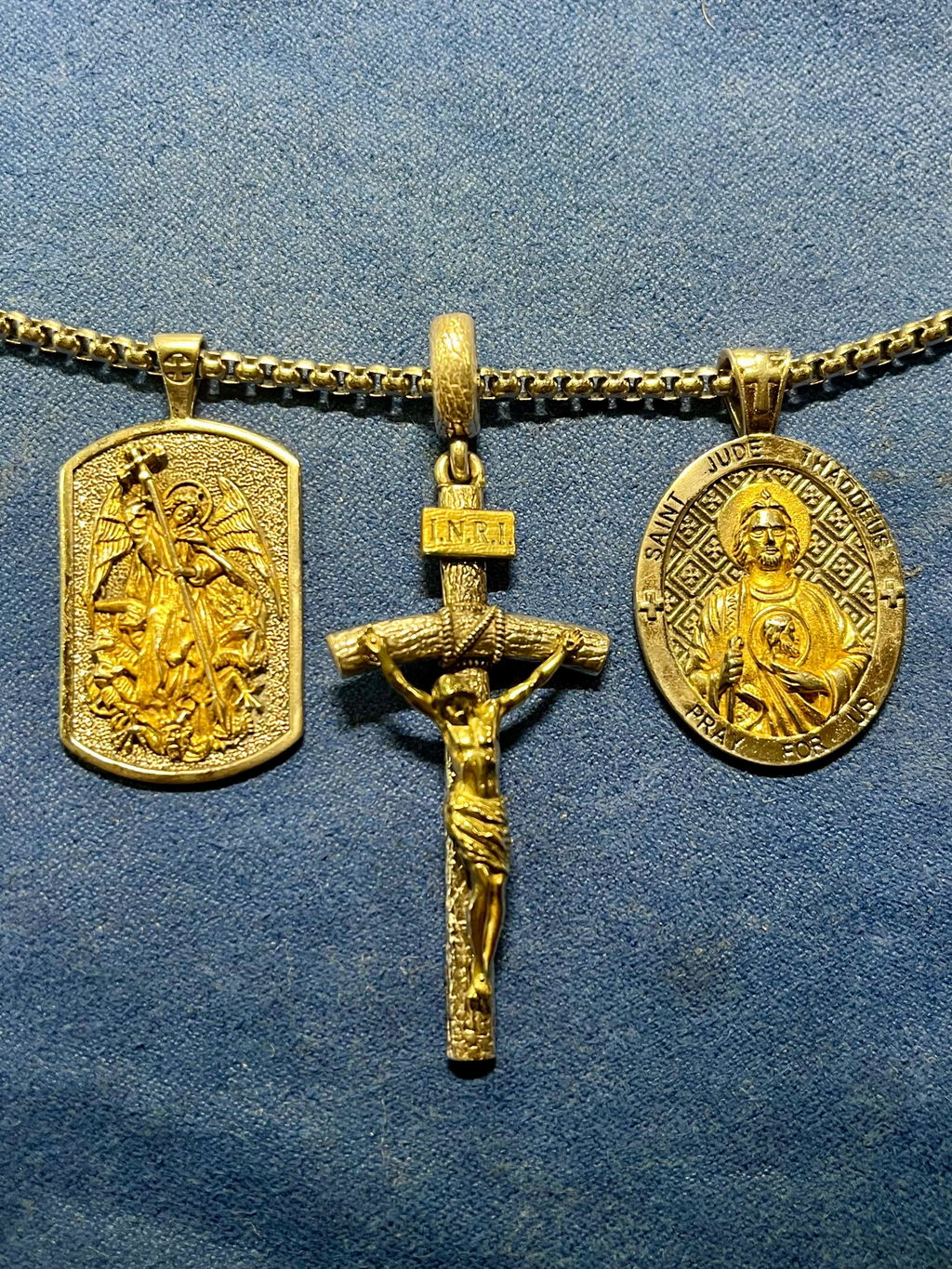
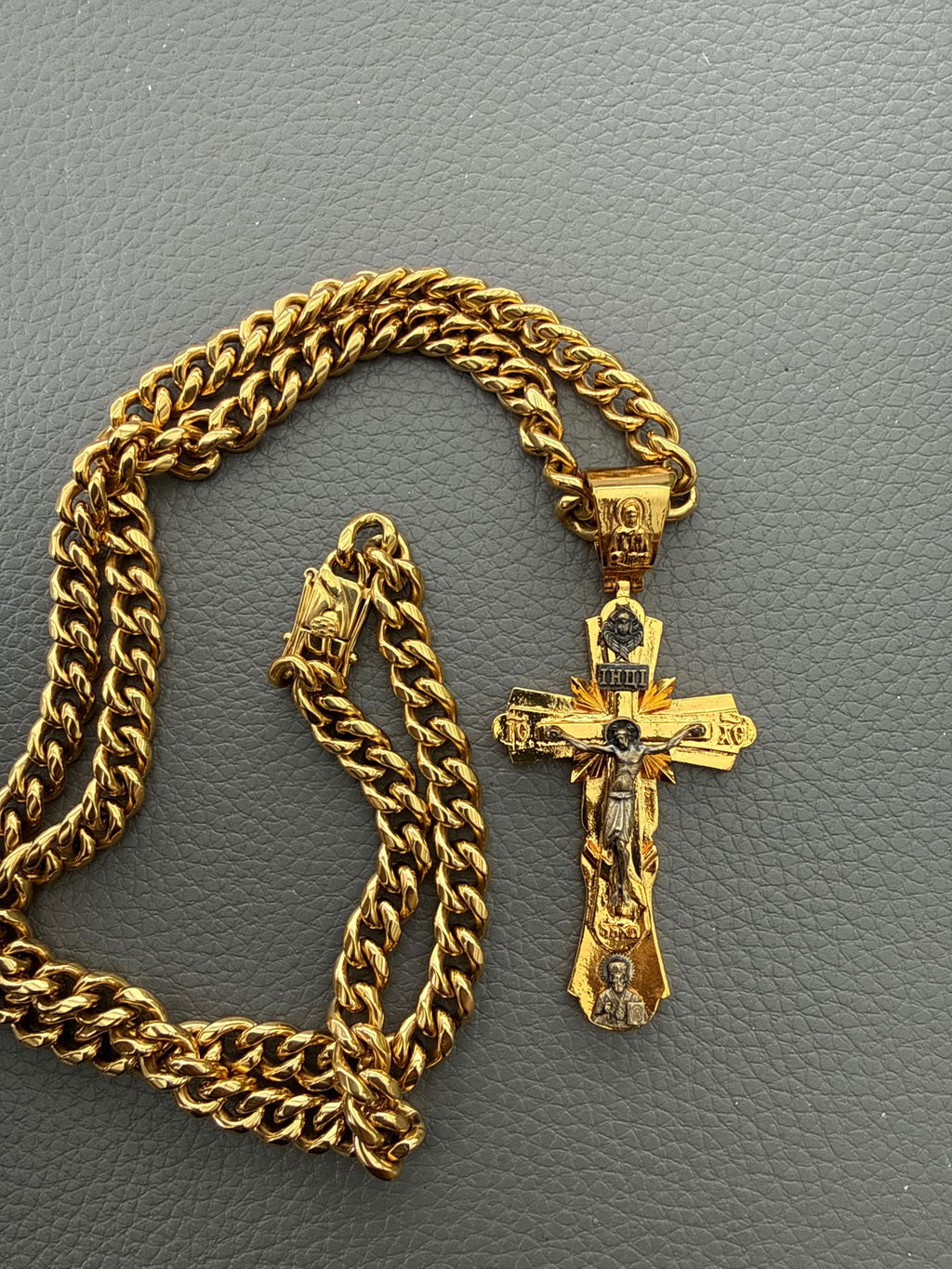
The St. Benedict Exorcism Cross wood carved crucifix from BGCOPPER belongs to this tradition of visible faith. It is a wood carved cross centered on Christ and connected with the prayerful witness of St. Benedict, making it especially fitting for Catholic home decor, a family prayer corner, or a devotional wall where faith is meant to be lived rather than merely displayed.

The Meaning of the Cross in the Home
In Christian and Catholic life, the crucifix is not simply a religious decoration. It is a reminder of love offered through sacrifice, mercy present in suffering, and hope that does not depend on perfect circumstances. When placed in the home, the cross quietly gathers the everyday life of a household into the story of faith: meals, conversations, work, rest, illness, worry, reconciliation, and gratitude.
A St. Benedict crucifix adds another layer of devotional meaning. St. Benedict is remembered for a life shaped by prayer, discipline, humility, and spiritual watchfulness. Many Catholic families associate Benedictine symbolism with a desire to keep the home close to God and to meet fear with prayer. It is important to speak of this gently: a crucifix is not magic, and Christian symbols are not substitutes for faith. Rather, they are signs that help believers remember where peace and courage come from.
Why Wood Carving Feels Different
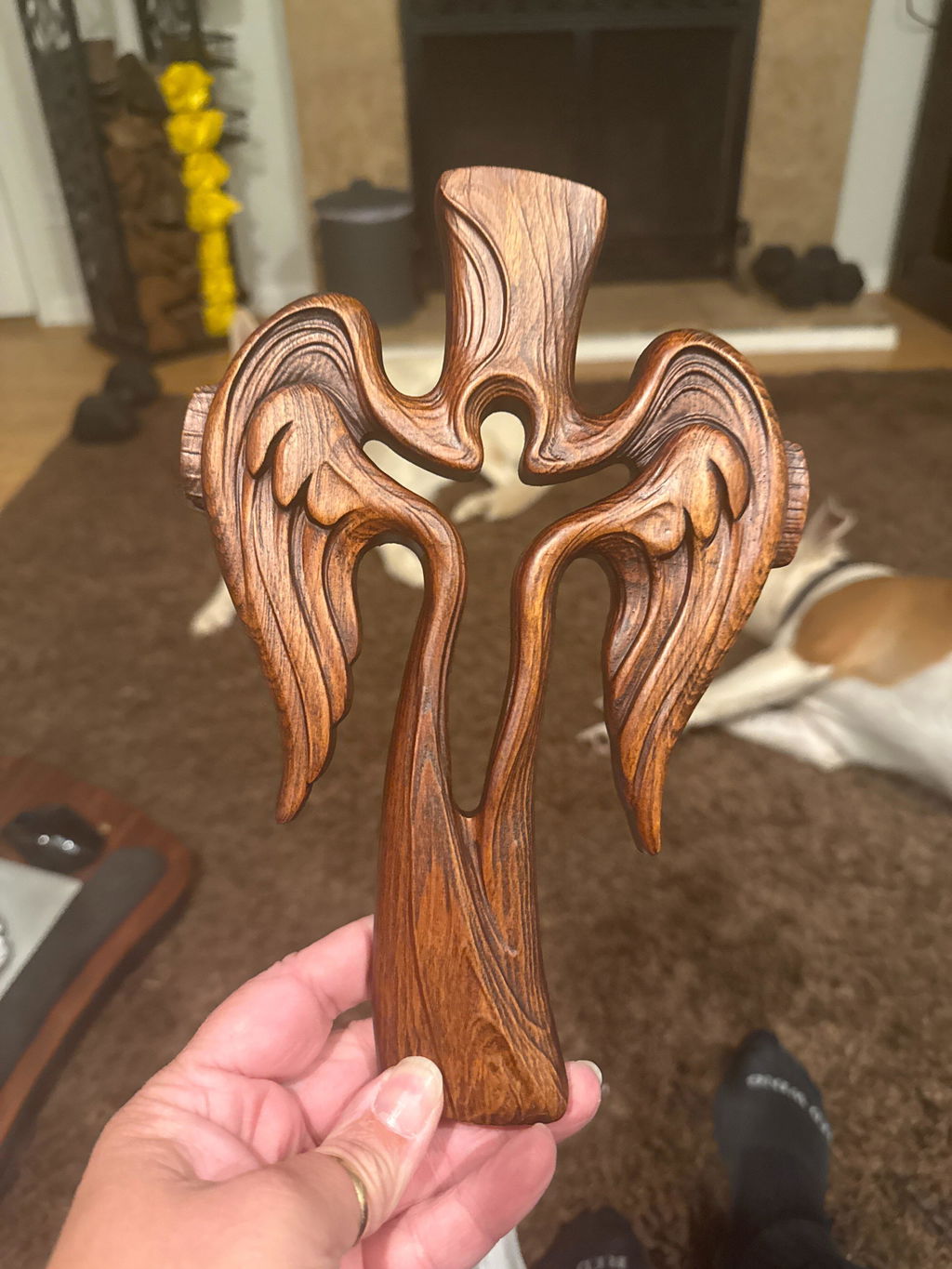
Wood has a warmth that suits devotional art especially well. Unlike polished metal or synthetic materials, carved wood carries visible grain, depth, and a sense of natural quiet. A wooden crucifix can feel grounded and familiar, as if it belongs not only to a chapel but also to the rooms where families actually live. The surface of carved wood catches light softly, and small variations in tone can make each piece feel personal.
That is one reason Christian wood carving remains so loved in home worship spaces. The material does not distract from the symbol; it supports it. The carved form invites the eye to slow down. It brings together craft, faith, and the feeling of a home that has room for silence. For those who prefer decor with spiritual meaning, carved wood offers a balance of simplicity and reverence.

Creating a Prayer Corner Around a Crucifix
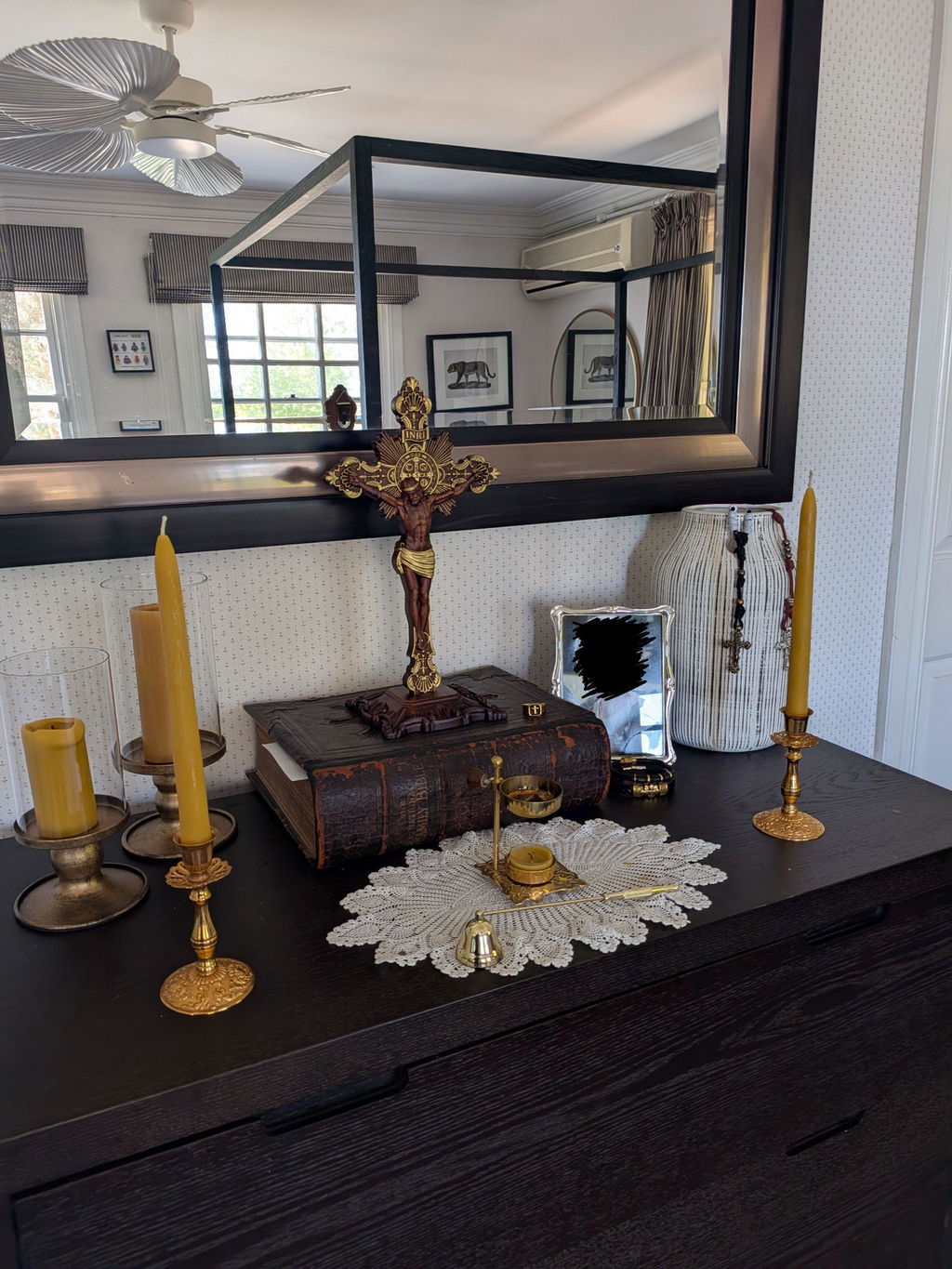
A prayer corner does not need to be large. It may be a small shelf, a bedside table, a quiet place near a window, or a narrow wall near the entrance of the home. What matters is intention. A crucifix can serve as the anchor of that space, helping the mind settle before prayer begins. Around it, a family might place a Bible, a small candle, a rosary, a prayer card, or seasonal devotional elements during Advent, Lent, Easter, or ordinary time.
The wood carved St. Benedict cross is well suited to this kind of setting because it offers both visual focus and symbolic depth. In a bedroom, it can be a quiet reminder before sleep. In a living room, it can stand as a gentle witness where the family gathers. Near an entryway, it can suggest that the home is entered and left under prayer. In a study or reading corner, it may encourage stillness during busy days.
For Catholic households, a home prayer area can also become a simple way to pass faith from one generation to the next. Children often remember what they see repeated: a parent pausing before a cross, a grandparent lighting a candle, a family praying together before a difficult conversation. Sacred objects do not do the work of faith for us, but they can help make faith visible and memorable.
A Thoughtful Christian Gift
A crucifix is often given when words alone feel too small. It may be suitable for a house blessing, a wedding, a confirmation, an Easter or Christmas gift, or a gesture of encouragement for someone going through illness, grief, or uncertainty. Its message is not extravagant. It simply says: may Christ be near, may your home have peace, and may prayer remain close at hand.
Because this piece centers on St. Benedict as well as the cross, it may be especially meaningful for someone with a devotion to St. Benedict, someone building a Catholic prayer corner, or a family that wants Christian decor with a traditional devotional feeling. It can also be a reflective gift for parents or grandparents who have kept faith alive in a household through ordinary acts of prayer, patience, and care.

Decor That Remains Quietly Devotional
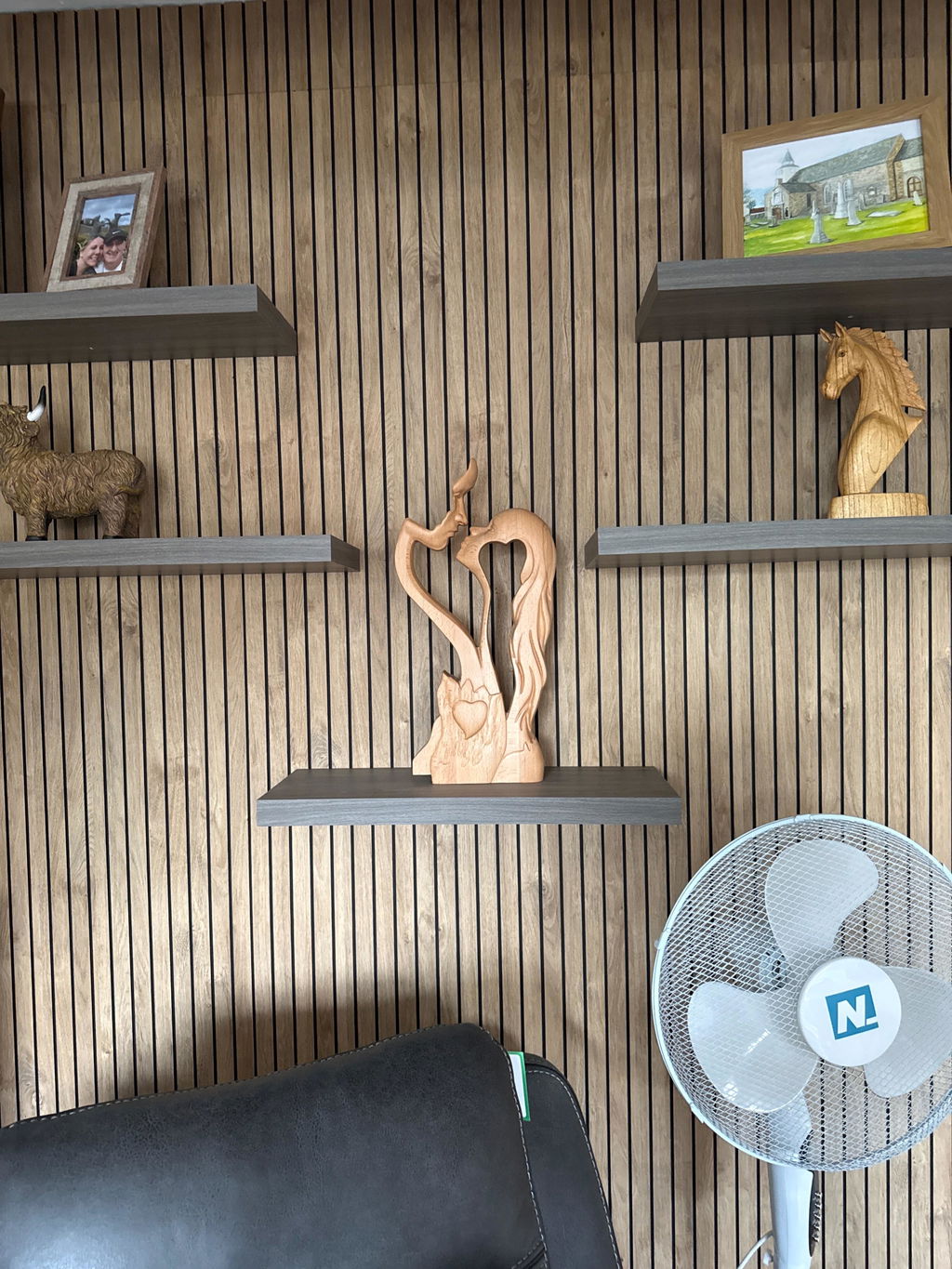
Faith-inspired decor is most beautiful when it does not feel forced. A wooden crucifix can live naturally among books, candles, framed family photographs, neutral textiles, and warm wood furniture. It does not require a formal altar to be meaningful. Its presence can be modest, steady, and deeply personal.
When choosing a place for a Christian wood carving, consider visibility, calm, and respect. Avoid treating the piece as a casual accent that disappears into clutter. Give it a little room to breathe. A clean wall, a shelf with a few carefully chosen devotional items, or a small table dedicated to prayer can help the symbol remain clear. In this way, Catholic home decor becomes less about style alone and more about shaping a home around what is loved and remembered.
A Gentle Closing Reflection
A St. Benedict wood carved crucifix is not only an object to look at. It is an invitation to pause. It can remind a household that peace begins in trust, that courage can be practiced in small daily choices, and that prayer belongs in ordinary rooms as much as in church. For anyone creating a prayer corner, refreshing a devotional wall, or looking for a meaningful Christian gift, this kind of carved wood cross offers a quiet meeting place between craft, beauty, and faith.
In the end, the best sacred decor does not compete for attention. It helps the soul remember. A cross on the wall, shaped by hand and held in natural wood, can become part of the spiritual memory of a home: prayers whispered, burdens surrendered, and hope returned to again and again.