The Sacred Heart at Home: Creating a Prayerful Space with Christian Wood Carving
A home prayer space does not need to be large or elaborate. Often, a quiet corner, a familiar image, and a few minutes set aside for reflection are enough to help the household move from daily activity into prayer. Sacred art can support that transition by giving the eye a place to rest and the mind a gentle reminder of what matters. A Christian wood carving is especially suited to this role: its natural texture feels warm and approachable, while its sacred subject connects ordinary domestic life with a long tradition of faith.
The Sacred Heart wood carvings of Jesus and Mary bring together two closely related Catholic devotions. Whether displayed as a pair or considered individually, they invite reflection on divine love, mercy, compassion, and faithful response. Rather than functioning only as decoration, such images can become visual anchors for morning prayer, evening thanksgiving, or a pause during a difficult day.
Understanding the Two Sacred Hearts
The Sacred Heart of Jesus is traditionally represented as a heart marked by the Cross, flame, crown of thorns, and wounds. These elements direct attention toward Christ’s self-giving love: a love that enters human suffering rather than remaining distant from it. For many Christians, the image is also a call to trust in mercy and to answer love with love through prayer, forgiveness, and care for others.
The Immaculate Heart of Mary has its own emphasis. It points toward Mary’s interior life—her attentive faith, maternal compassion, and willingness to remain close to Christ through joy and sorrow. Catholic devotion does not treat the two hearts as interchangeable. Instead, their visual relationship can suggest a spiritual pattern: Christ is the source of redeeming love, while Mary offers a human example of receiving that love and responding with fidelity.

Why Carved Wood Feels at Home in Sacred Spaces
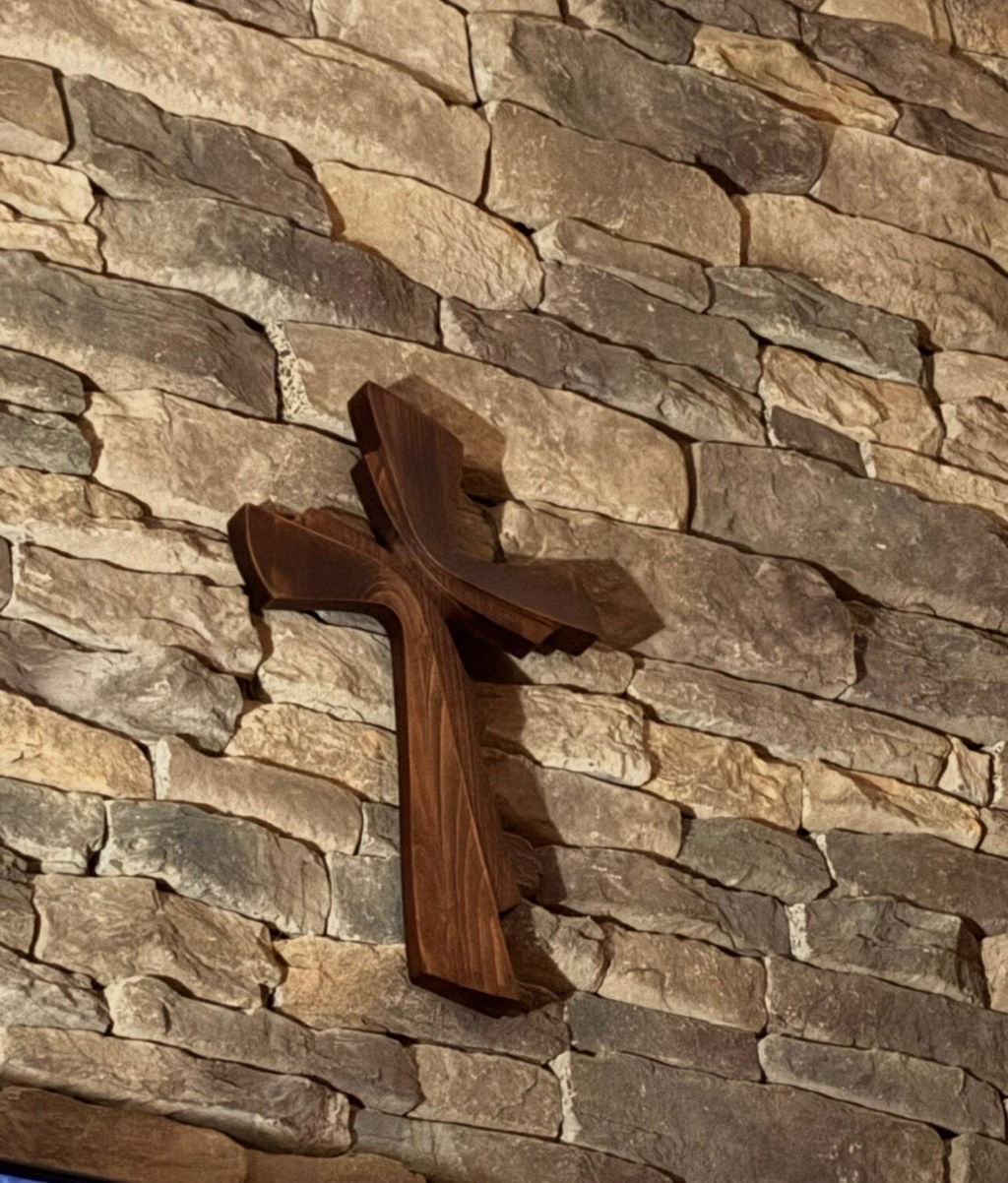
Wood carries a quiet visual language. Grain, tone, and small natural variations keep it from feeling cold or impersonal. Carving adds another layer: light settles into recessed details while raised forms become more visible as the day changes. This play of light and shadow can encourage slow looking, which is one reason carved sacred images work well in rooms intended for prayer and reflection.
According to the product description, these BGCOPPER pieces are handcrafted from solid beech wood and finished with water-based paint. The painted details make the sacred imagery legible while still allowing the character of the wood to remain part of the experience. That balance matters in Catholic home decor. The object can be visually distinctive without overwhelming the room, and devotional without making an ordinary living space feel formal or inaccessible.
Handcraft also invites attention to process. A carved line must be shaped; a surface must be worked; painted accents must be applied with care. Without romanticizing the craft, this visible evidence of making can encourage a more patient way of seeing. In a culture of quick images and constant screens, a tangible carved object offers a different rhythm—one based on touch, material, and attentive presence.
Building a Simple Catholic Prayer Corner
A prayer corner should serve the habits of the people who use it. Begin with a location that is easy to approach and reasonably free from distraction: a shelf in the bedroom, a small table near a reading chair, or a quiet section of the living room. Place the carving at a comfortable viewing height, leaving enough open space around it so the image remains the focal point.
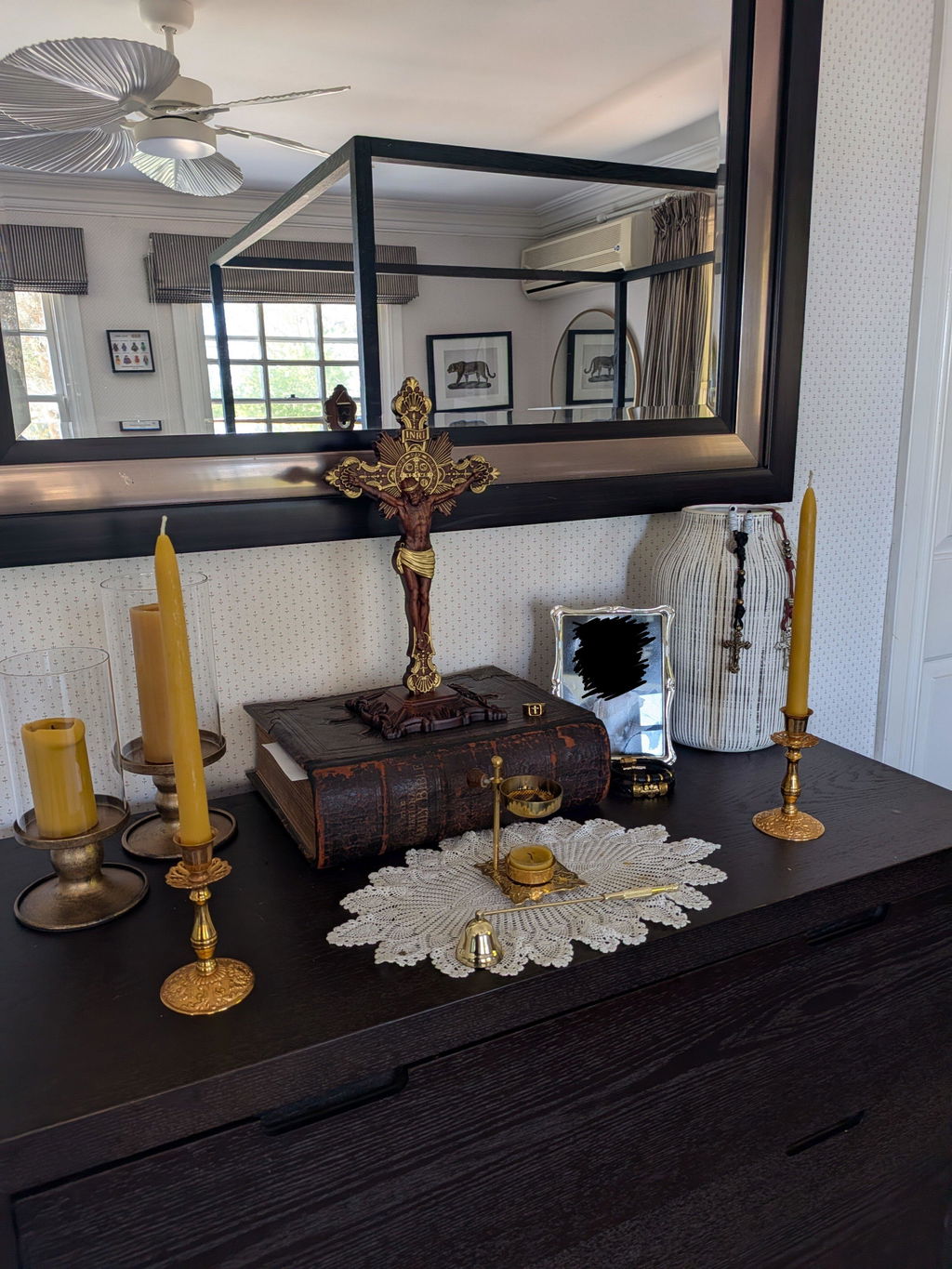
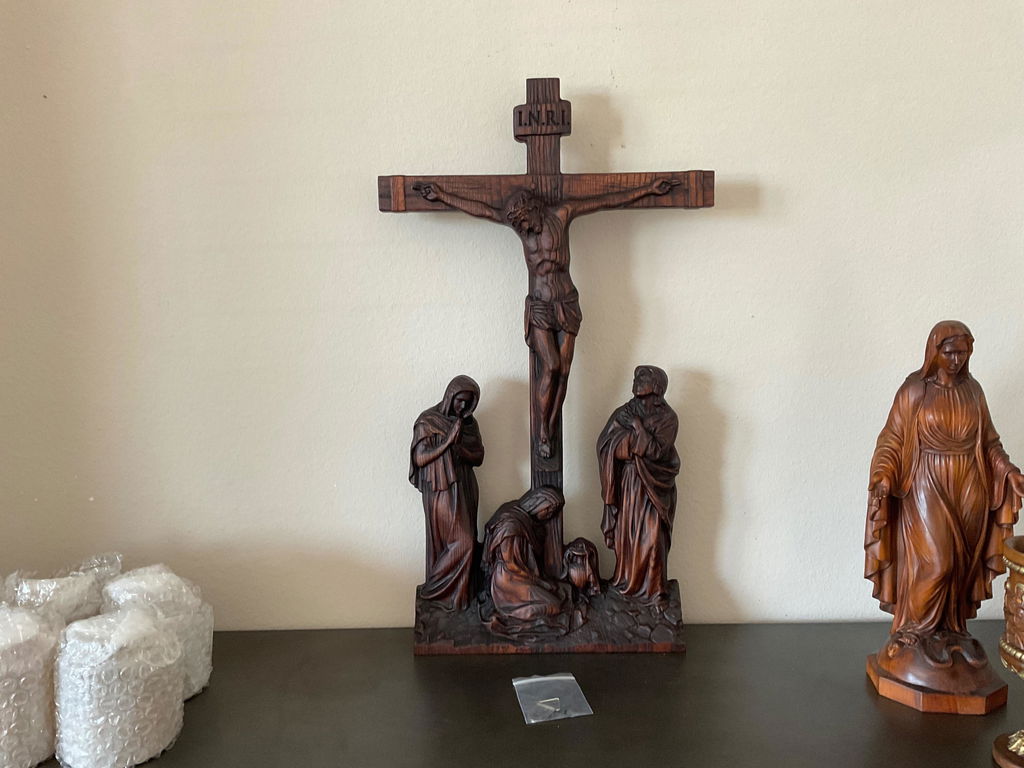
A Bible, prayer book, rosary, or family intention journal can sit nearby. Some households may add a candle where it can be used safely; others may prefer flowers, a small cloth, or nothing else at all. The goal is not to assemble a perfect display. It is to create a place that gently encourages regular prayer. The Jesus and Mary carved wood plaques can be displayed together to emphasize their devotional relationship, or chosen according to the household’s particular focus.

Consistency is more important than complexity. A short morning offering, a decade of the Rosary, or a moment of silence before bed can gradually give the space meaning. Families might gather there to pray for someone who is ill, mark a feast day, or give thanks after good news. Over time, the prayer corner can hold a quiet record of the household’s spiritual life.
Living with Sacred Art Beyond the Prayer Corner
Religious wood carving can also belong naturally in an entryway, hallway, study, or family room. The best placement considers both reverence and daily visibility. An image encountered during ordinary routines can prompt a brief prayer or a more charitable response to the next person we meet. This is one of sacred art’s simplest roles: not to remove us from daily life, but to help us live it with greater attention.
For a calm arrangement, allow the warm wood tones to relate to nearby natural materials such as linen, books, baskets, or simple furniture. Avoid crowding the carving among unrelated ornaments. A little visual breathing room helps preserve its devotional character. If several religious objects share the same area, grouping them intentionally can create a coherent focus rather than a collection of competing details.
A Thoughtful Gift for Moments of Faith
A Sacred Heart carving can be meaningful for a housewarming, wedding, anniversary, First Communion, Confirmation, or another milestone in Christian life. It may also be appropriate when someone is establishing a new prayer routine or needs a quiet sign of encouragement. The gift communicates more than aesthetic appreciation: it recognizes the recipient’s faith and offers an object that can accompany prayer over time.
Presentation can remain simple. A handwritten note might explain why the imagery was chosen, share a brief prayer intention, or recall a moment of friendship. Because devotion is personal, it is wise to consider the recipient’s tradition and preferences rather than assuming that every sacred image suits every person. Thoughtfulness lies in the relationship, not in making the gift grand.

A Quiet Reminder of Love
The deepest value of Christian home decor is not that it completes a room. It is that it can help orient a life. The Sacred Heart of Jesus points toward generous, merciful love; the Immaculate Heart of Mary recalls attentive faith and compassion. Rendered in carved wood, these themes enter the home with warmth and material simplicity.
A prayer corner will not always be perfectly tidy, and prayer itself will not always feel easy. Yet a familiar sacred image can remain present through changing seasons. It waits without demanding attention, then offers a point of return when attention is needed. In that modest role, a Sacred Heart wood carving can become more than an attractive object: it can serve as a steady invitation to pause, remember, and begin again.