The Empty Tomb in Christian Home Decor: A Quiet Sign of Resurrection Hope
Easter imagery often begins with familiar signs: a cross, lilies, dawn light, or a stone rolled away. Among them, the empty tomb holds a particularly quiet power. It does not attempt to depict the mystery of the Resurrection itself. Instead, it points to what the first visitors discovered: the place of burial was no longer the end of the story. In a Christian home, that image can become a gentle visual reminder of hope, renewal, and faith through uncertain seasons.
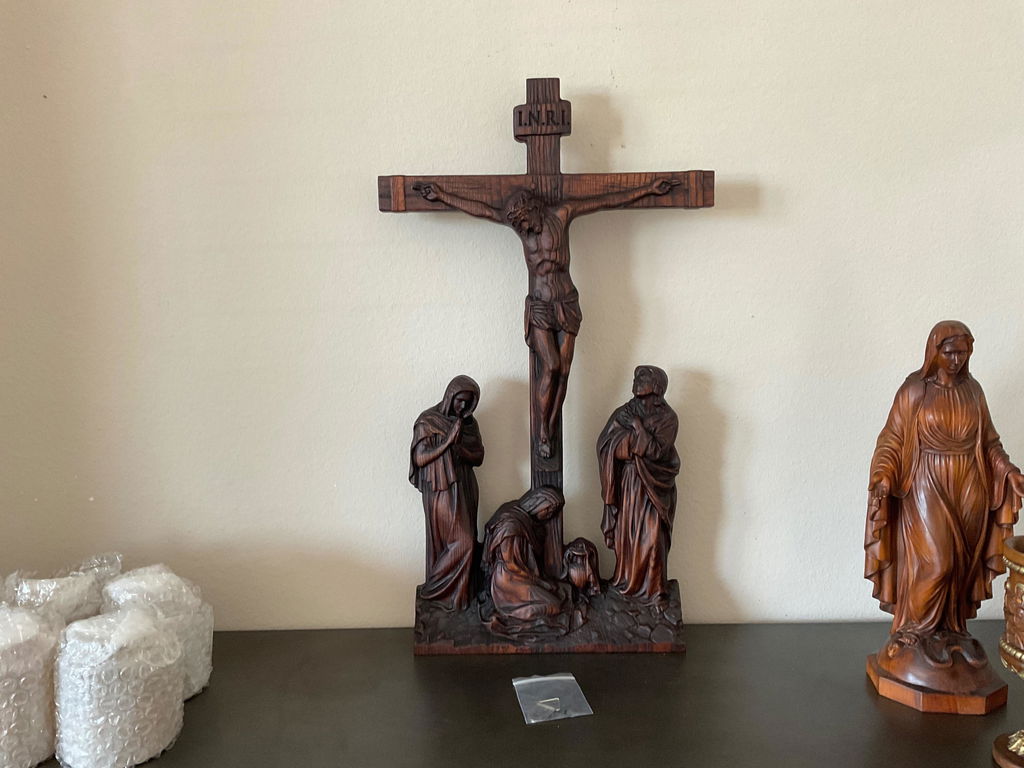
The BGCOPPER solid wood empty tomb scene brings this central Easter symbol into a small carved composition. Jesus, the tomb, and the surrounding landscape are presented as a scene for reflection rather than as elaborate decoration. Its natural appearance is especially suited to spaces where the aim is calm attention: a prayer corner, an entry table, a bookshelf beside devotional reading, or a family room prepared for the Easter season.
Why the Empty Tomb Matters in Christian Symbolism
Christian art has long helped believers remember sacred stories through visible forms. The empty tomb is meaningful because it directs attention beyond suffering toward resurrection. In the Gospel accounts, those who came to mourn encountered an unexpected absence and a new message of hope. For many Christians, this image therefore represents not denial of grief, but the conviction that grief is not the final word.
A carved Easter scene can support reflection without replacing Scripture, prayer, or worship. It may simply create a pause in the day. Passing it in the morning can recall the joy of Easter; seeing it during a difficult week can invite a moment of trust. Families may also use the scene when speaking with children about Holy Week and Easter Sunday, allowing the visible setting to help explain the movement from the sealed tomb to the news of the Resurrection.

The Warmth of Wood in Faith-Inspired Decor
Wood has a grounded, familiar presence. Grain, tone, and carved contours interact softly with changing daylight, making wooden decor feel at home beside books, linen, pottery, candles, and other natural textures. Unlike highly polished seasonal ornaments, a wood carving can feel contemplative and enduring. It carries visual warmth without requiring a large or formal display.
Carving also encourages the eye to slow down. Shapes emerge through edges, shadows, and negative space. In an empty tomb composition, those details matter: the opening, figures, and landscape work together to tell a story at a glance, while closer viewing reveals the maker’s treatment of form. This relationship between material and subject is one reason Christian wood carving fits naturally in devotional settings. The medium feels humble, tactile, and connected to daily life.
Creating a Simple Easter Prayer Corner
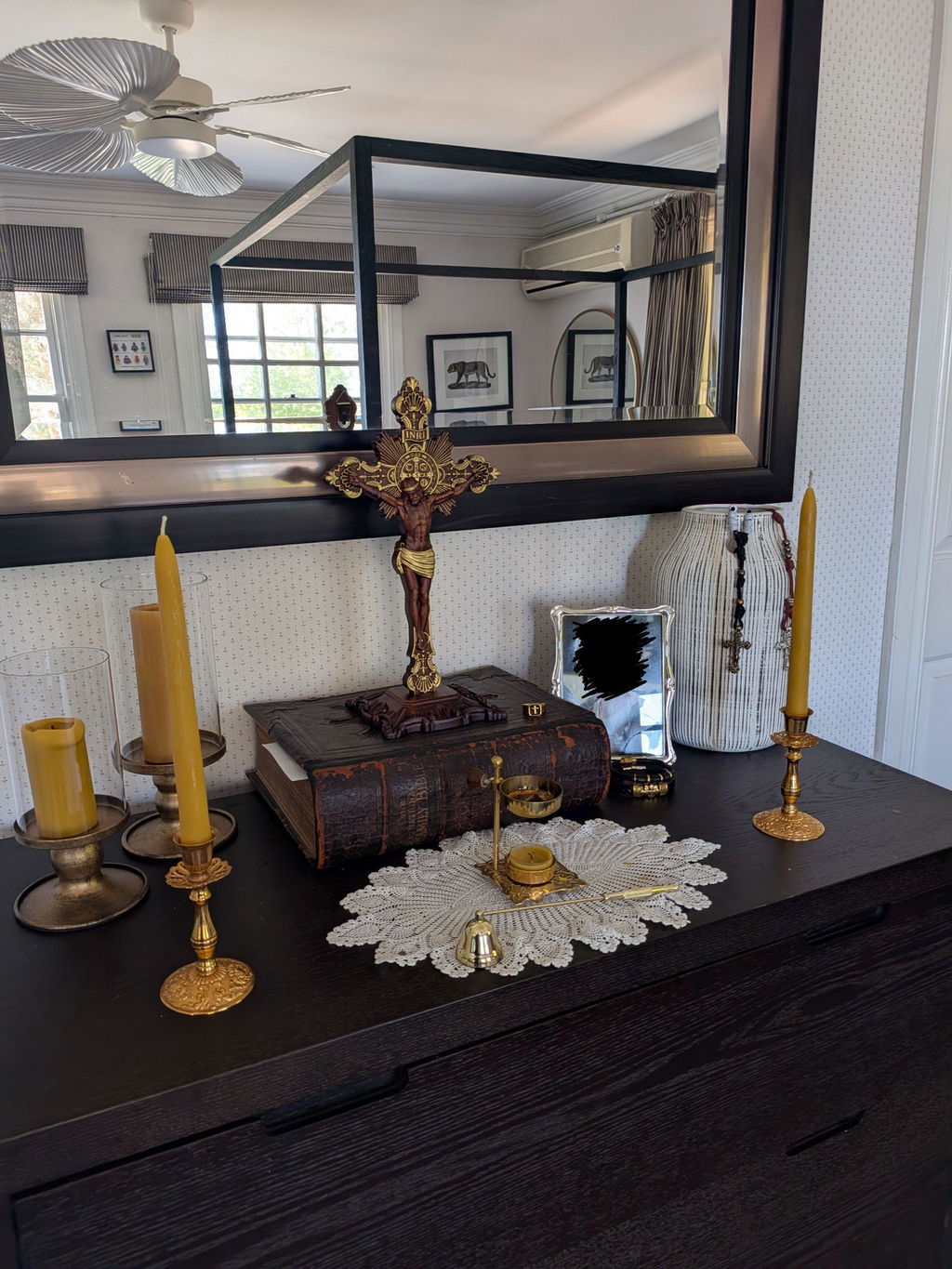
A prayer corner does not need to be large. A shelf, side table, or quiet section of a mantel can provide enough space. Begin with the carved scene as a focal point, then leave some open room around it so that the imagery can be seen clearly. A Bible or prayer book nearby makes the space practical for regular use. During Lent and Easter, a neutral cloth, a small vase of seasonal greenery, or an unlit candle can add texture without competing with the scene.
Placement should serve the habits of the household. Some families prefer a shared area where the symbol becomes part of everyday life. Others choose a bedroom corner or study for private prayer. The wooden Resurrection scene can also be introduced gradually during Holy Week—perhaps with the tomb visible first, followed by a fuller display on Easter morning. The goal is not to create a perfect arrangement, but to make room for attention and remembrance.

Beyond Easter Sunday
Although the empty tomb is closely associated with Easter, its meaning is not limited to one day. The Christian liturgical season continues beyond Easter Sunday, and the message of resurrection remains central throughout the year. Keeping the carving visible for several weeks can distinguish Easter as a season rather than a single celebration. Some households may choose to display it year-round as part of their Christian home decor.
In an entryway, it can quietly express the faith of a household without becoming a formal statement. On a bookshelf, it can sit near spiritual classics or family Bibles. In a prayer space, it may accompany intentions for people experiencing loss, transition, or discouragement. Its purpose can change with the season while the central symbolism remains steady.
A Meaningful Gift for Faith and Family
Faith-inspired gifts are most thoughtful when they connect with a person’s life. An empty tomb carving may be appropriate for Easter, baptism, confirmation, reception into the Church, a new home, or the beginning of a family prayer practice. It can also be given to someone who appreciates Christian art and natural materials. A brief handwritten note explaining why the symbol brought that person to mind will often carry more meaning than decorative wrapping.
For a family gift, the scene may become part of an annual tradition. Children can help place it each spring, read an Easter passage, or share what hope means to them. Over time, the object gathers associations with gatherings, prayers, and changing seasons. That lived context—not grand claims about the object itself—is what can make religious decor personally significant.
A Quiet Object with an Enduring Message
The best devotional spaces do not need to be crowded. One well-chosen image can direct the mind toward a story larger than the object. A wooden empty tomb scene offers warmth, narrative, and a recognizable Christian symbol while remaining visually restrained. Whether arranged for Easter or kept near a place of daily prayer, it invites reflection on the movement from sorrow to hope.
For those exploring gentle ways to shape a faith-centered home, the solid wood empty tomb with Jesus scene is one example of how Christian symbolism and natural decor can meet. Its role is simple: to help the eye pause, the memory return to the Easter story, and the home hold a quiet sign of resurrection hope.