A Quiet Place for Reconciliation: Archangel Chamuel Wood Carving in the Christian Home
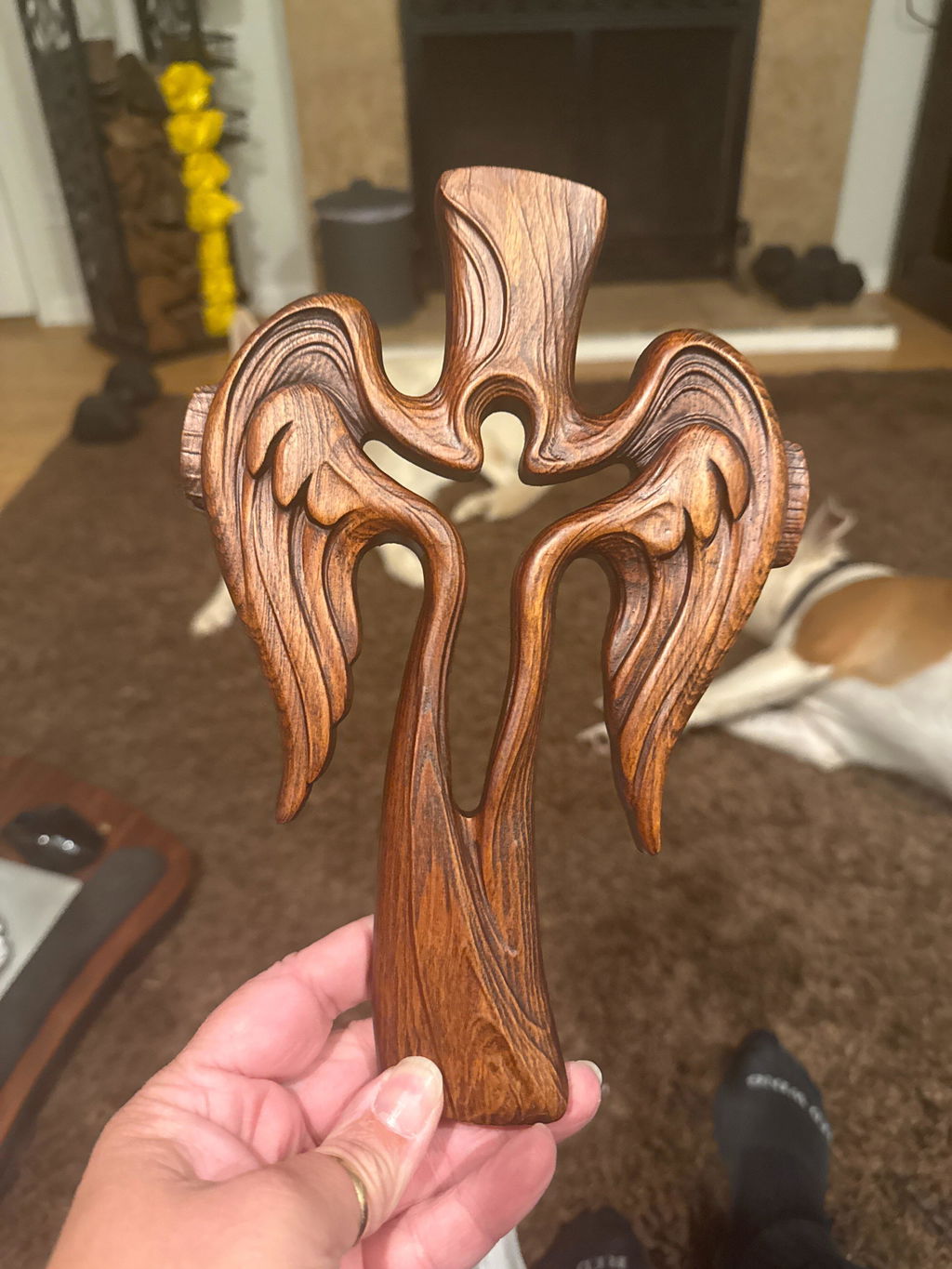
Some objects enter a room as decoration; others quietly shape the atmosphere around them. Sacred art often belongs to the second category. It can mark a place where a family pauses, remembers an intention, or returns to prayer after a difficult day. The BGCOPPER Archangel Chamuel wood carving is especially suited to reflection on peace in relationships: patience in conversation, the courage to forgive, and the steady work of restoring trust.
This is not about treating an image as a promise of instant harmony. Rather, faith-inspired art can serve as a visible prompt. When placed thoughtfully in a Christian home, an angelic carving may remind us to seek God’s guidance, examine our own words, and make room for mercy. Its meaning grows through the habits practiced around it.
Archangel Chamuel and the Theme of Peaceful Relationships
The name Chamuel appears in later angelic and devotional traditions rather than in the canonical books of the Bible. Christian communities differ in how they understand or use names drawn from those traditions, and Catholic readers may be familiar with particular guidance concerning named angels. For that reason, this carving is best approached with both appreciation and discernment: as religious artwork centered on the broad biblical virtues of love, reconciliation, compassion, and peace, not as a substitute for Scripture, prayer, or pastoral counsel.
Those virtues have a clear place in Christian life. Peace is not merely the absence of disagreement. It involves truthfulness, humility, boundaries, repentance, and a willingness to see another person with charity. An image associated with peaceful relationships can therefore become a simple daily question: “What can I do today to make peace more possible?” Sometimes the answer is an apology; sometimes it is careful listening; sometimes it is prayerful silence before speaking.

The Warmth of Carved Wood in Sacred Art
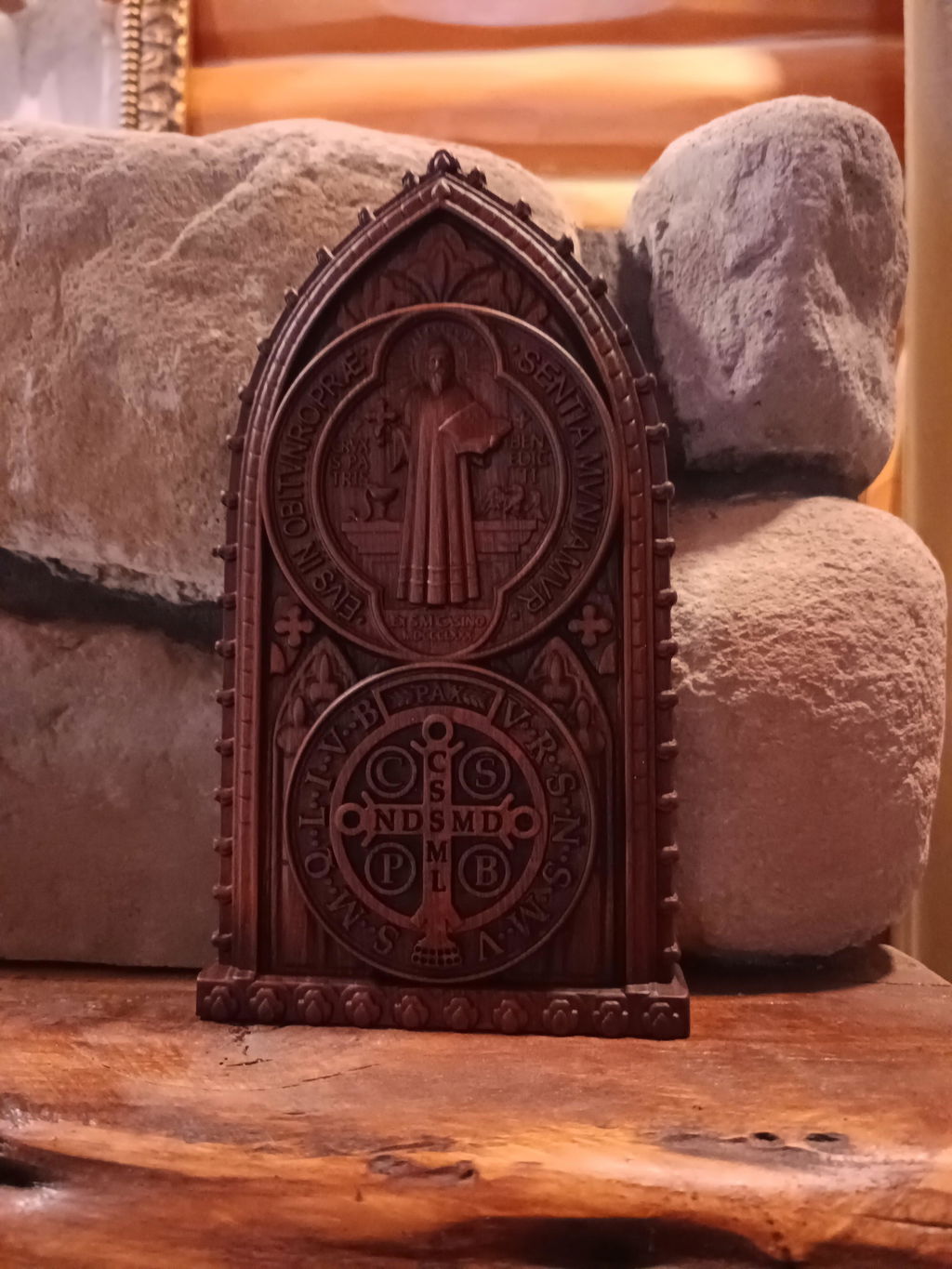
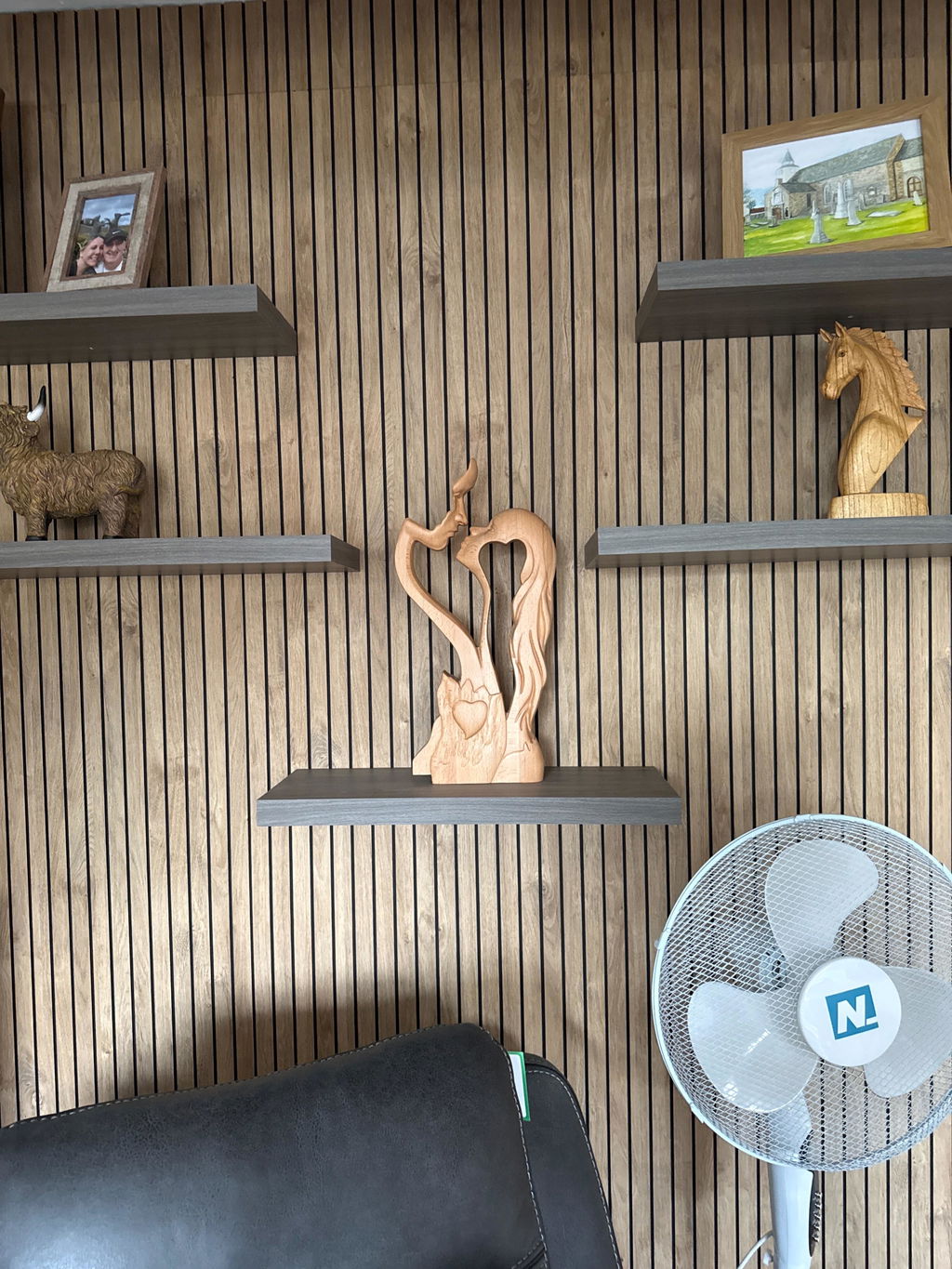
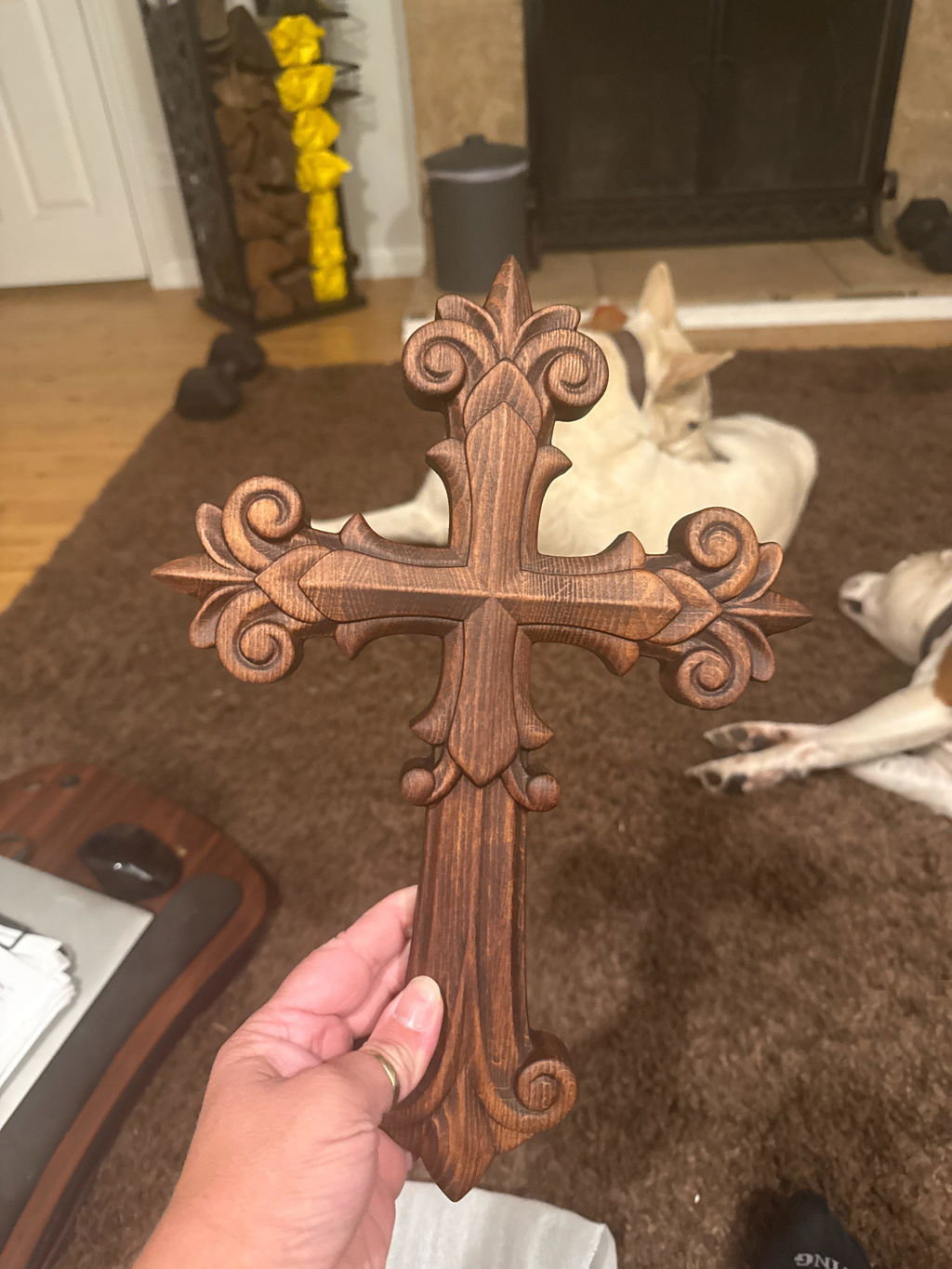
Wood carries a distinctive warmth that works naturally in devotional spaces. Unlike glossy or highly industrial surfaces, its grain and tone feel grounded and familiar. The product information describes this piece as hand-carved from natural beech wood and hand-polished. Because wood is a natural material and carving involves handwork, subtle differences in grain, tone, and texture can be part of the character of each piece rather than a distraction from it.
Carving also invites slow looking. Light settles into recessed details and changes as the day moves across a room. From a distance, the overall figure creates a recognizable devotional presence; closer viewing reveals the craft and texture. This combination can help sacred decor feel integrated into a home instead of staged. It can sit comfortably alongside books, textiles, candles used safely, family photographs, or other objects connected with prayer and memory.

Creating a Prayer Corner with Intention
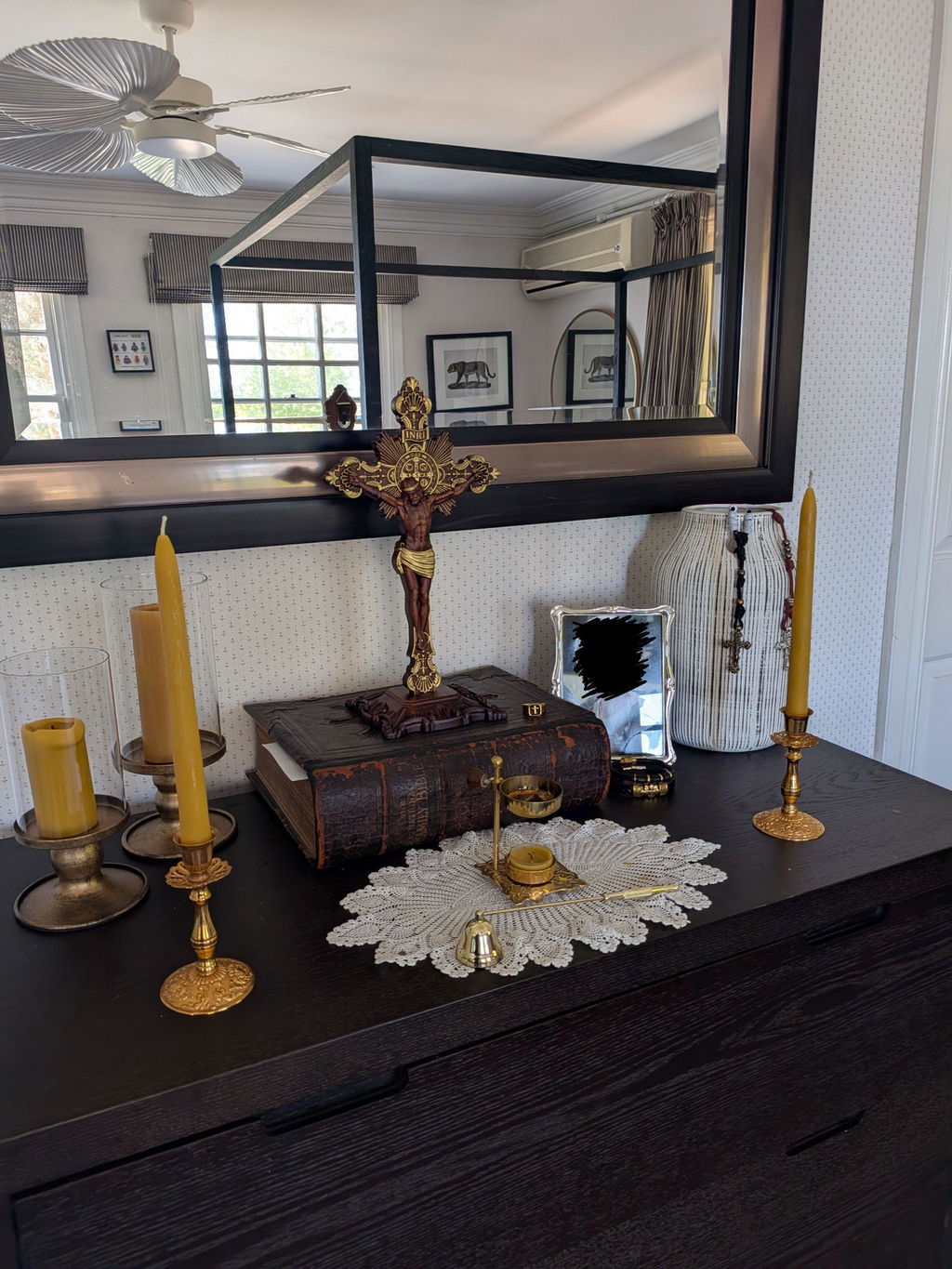
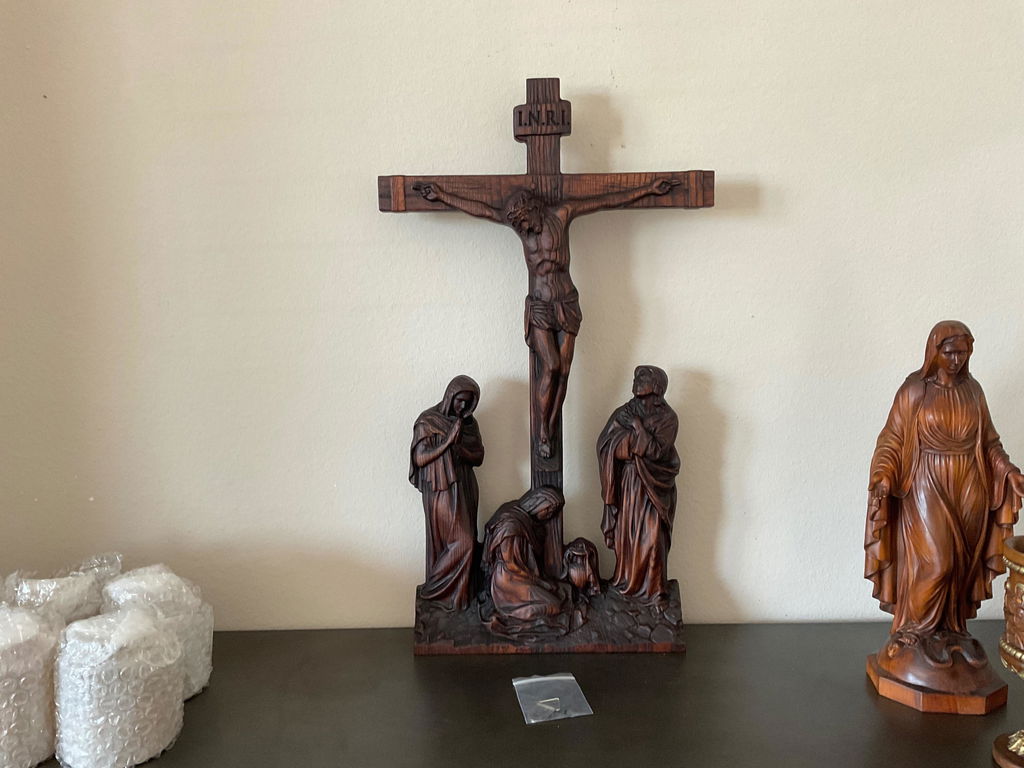
A home prayer corner does not need to be large. A shelf, small table, wall area, or quiet part of a study can become a place of attention when it is kept uncluttered and used consistently. The carving may act as the visual anchor, while a Bible, prayer book, journal, rosary, or family intention list gives the space a practical rhythm. The goal is not to assemble an elaborate display, but to make returning to prayer easier.
For a theme of reconciliation, consider keeping a short list of people and situations that need peace. The list can include relationships close to home as well as communities affected by division. A few minutes spent praying before the carving might begin with gratitude, continue with honest self-examination, and end with one concrete intention. In a family setting, the space can also support a gentle weekly practice: naming something to give thanks for, asking forgiveness where needed, and praying for wisdom in difficult conversations.
Placement matters aesthetically as well as devotionally. Natural wood often pairs well with warm neutral walls, muted greens, linen, stone, and other organic textures. Leave enough open space around the artwork so its carved silhouette remains clear. Avoid excessive moisture and prolonged direct sunlight, and dust it gently with a soft cloth, following the care information provided on the product page.
A Thoughtful Gift for a Season of Healing
Religious gifts are most meaningful when they recognize the recipient’s actual life rather than offering a generic sentiment. A carving focused on peaceful relationships may be appropriate for a Christian wedding, anniversary, housewarming, or a new family prayer space. It may also speak to someone entering a season of reconciliation or rebuilding after conflict. In sensitive circumstances, however, the gift should never imply that healing is simple or that one person carries all responsibility for repairing a relationship.
A short handwritten note can give the gift a considerate context. Instead of making a grand promise, the message might say that the carving was chosen as a reminder of prayer, patience, and hope. If the recipient belongs to a Catholic parish or another Christian tradition with particular devotional practices, it is thoughtful to respect those practices and let the artwork support—not define—their spiritual life.

Choosing Religious Decor with Care
Before choosing any devotional object, it helps to ask three questions. Does its symbolism direct attention toward virtues the household genuinely wants to practice? Does its style belong naturally in the intended room? And will the person receiving it understand the tradition and intention behind it? These questions keep religious decor from becoming merely thematic and help it retain a personal, prayerful role.
The product page for the Archangel Chamuel wooden carving and its available options provides the current details needed to consider scale and placement. Reviewing those details before selecting a piece is especially useful for a wall, shelf, desk, or compact prayer corner. It also allows the natural material, carved form, and surrounding room to work together rather than compete for attention.
A Quiet Reminder, Practiced Daily
The most enduring sacred objects do not demand constant attention. They wait quietly until we need to remember. In that spirit, an Archangel Chamuel wood carving can represent a household’s desire for peaceful relationships without pretending that peace comes without effort. It may call to mind gentler speech, honest repentance, wise boundaries, and prayer for those we find difficult to understand.
Placed in a prayer corner or shared living space, the carving becomes less about filling an empty wall and more about creating a point of return. Its natural wood brings visual warmth; its angelic subject opens a conversation about care and reconciliation. Over time, the most meaningful feature may not be the object alone, but the small faithful practices it helps a household remember.