St. Francis of Assisi in Wood: A Quiet Icon for Prayer and Home
Some religious images draw attention through grandeur; others invite a quieter kind of looking. A carved image of St. Francis of Assisi belongs naturally to the second tradition. His life is remembered through simplicity, compassion, and attentive care for creation, so an image shaped in wood feels especially fitting. The natural grain, warm color, and visible carving give the subject a grounded presence that can sit comfortably in an everyday home rather than feeling reserved for a formal setting.
The St. Francis of Assisi Wood Icon from BGCOPPER presents this familiar Christian figure as a piece of carved wall decor. It can serve as a gentle visual focus in a prayer corner, a thoughtful element in a room with natural materials, or a meaningful faith-inspired gift. More than decoration alone, it offers an opportunity to reflect on what St. Francis represents and on how sacred art can become part of ordinary routines.
Why St. Francis Still Speaks to the Christian Imagination
St. Francis of Assisi is widely remembered as a thirteenth-century Italian friar whose life emphasized humility, service, and love for God’s creation. Christian art often connects him with animals and the natural world. Those details are not merely charming additions; they point toward a larger spiritual attitude—one of receiving creation with gratitude rather than treating it carelessly.
For many Catholic and Christian households, an image of St. Francis can therefore hold several layers of meaning. It may recall compassion toward animals, care for the environment, generosity toward neighbors, or the value of living with less. None of these reflections requires the object itself to become the center of faith. Instead, religious art can work as a reminder: a visible prompt to pause, pray, or return to a virtue one hopes to practice.

The Warmth of a Christian Wood Carving
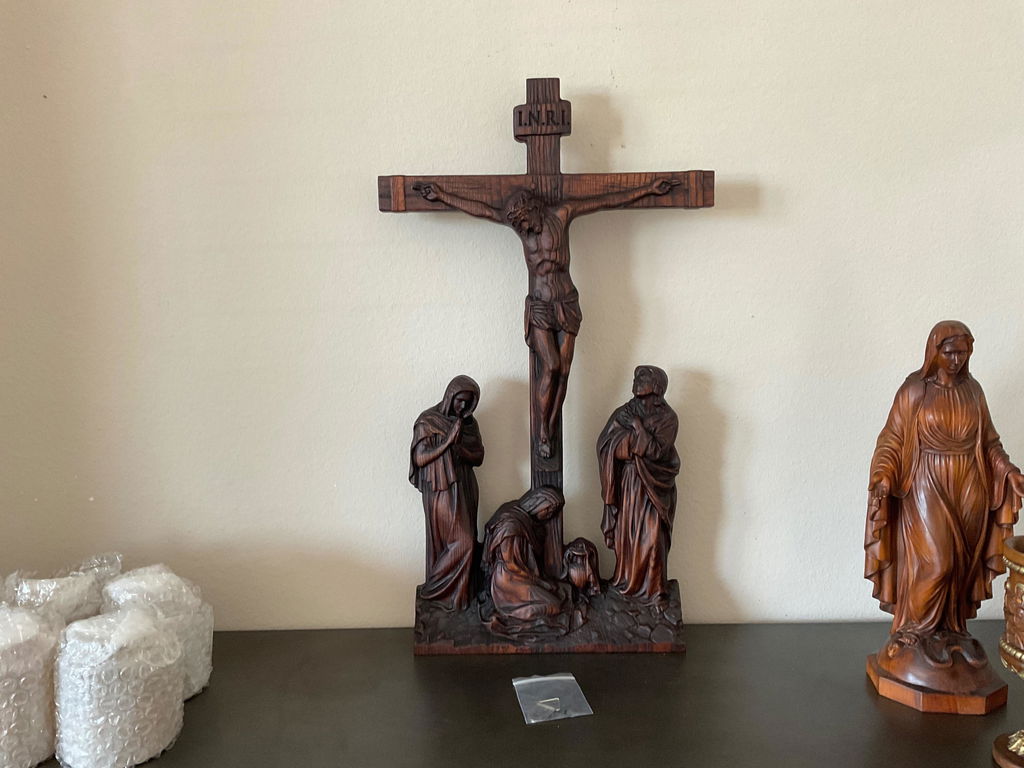
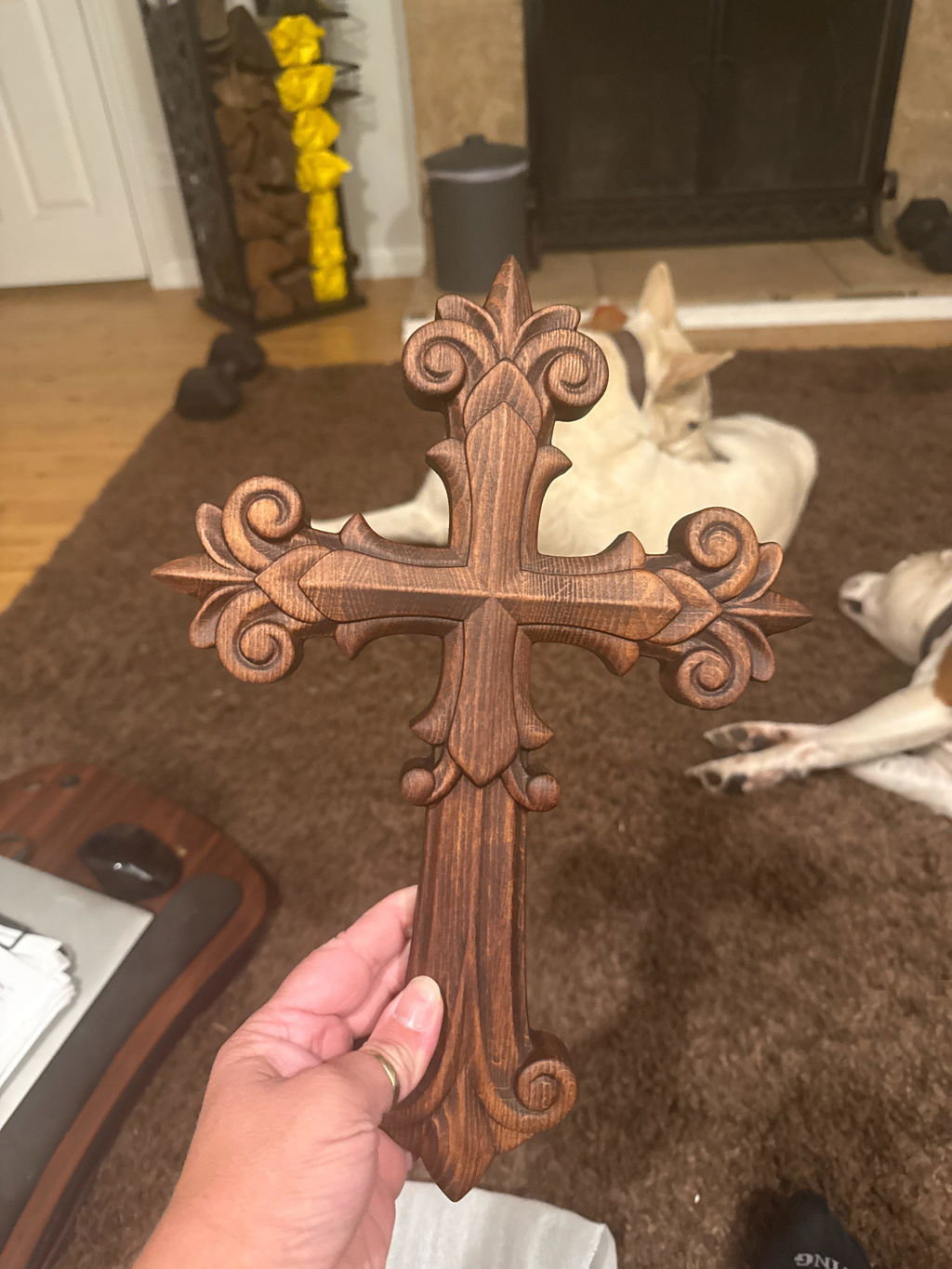
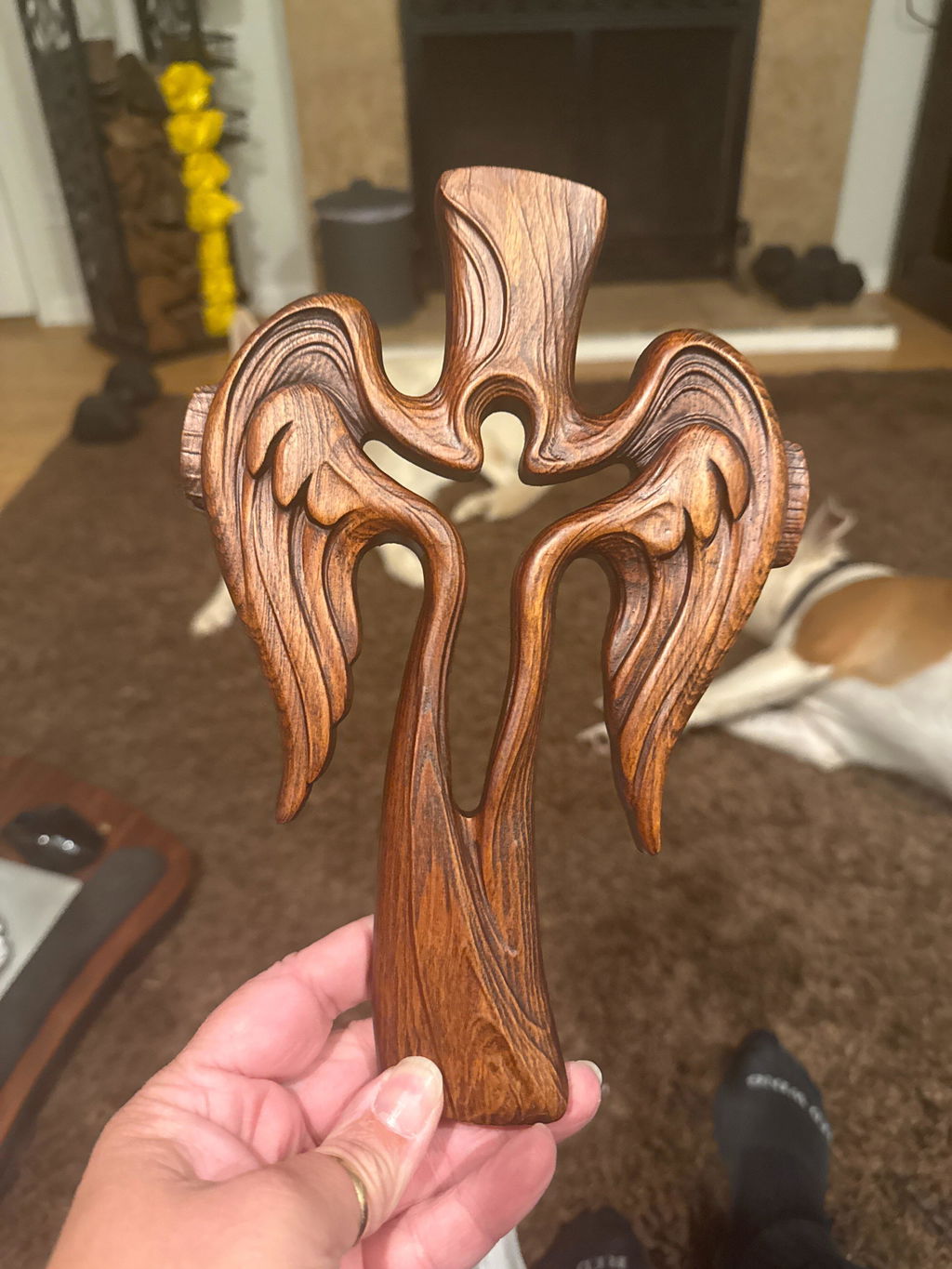
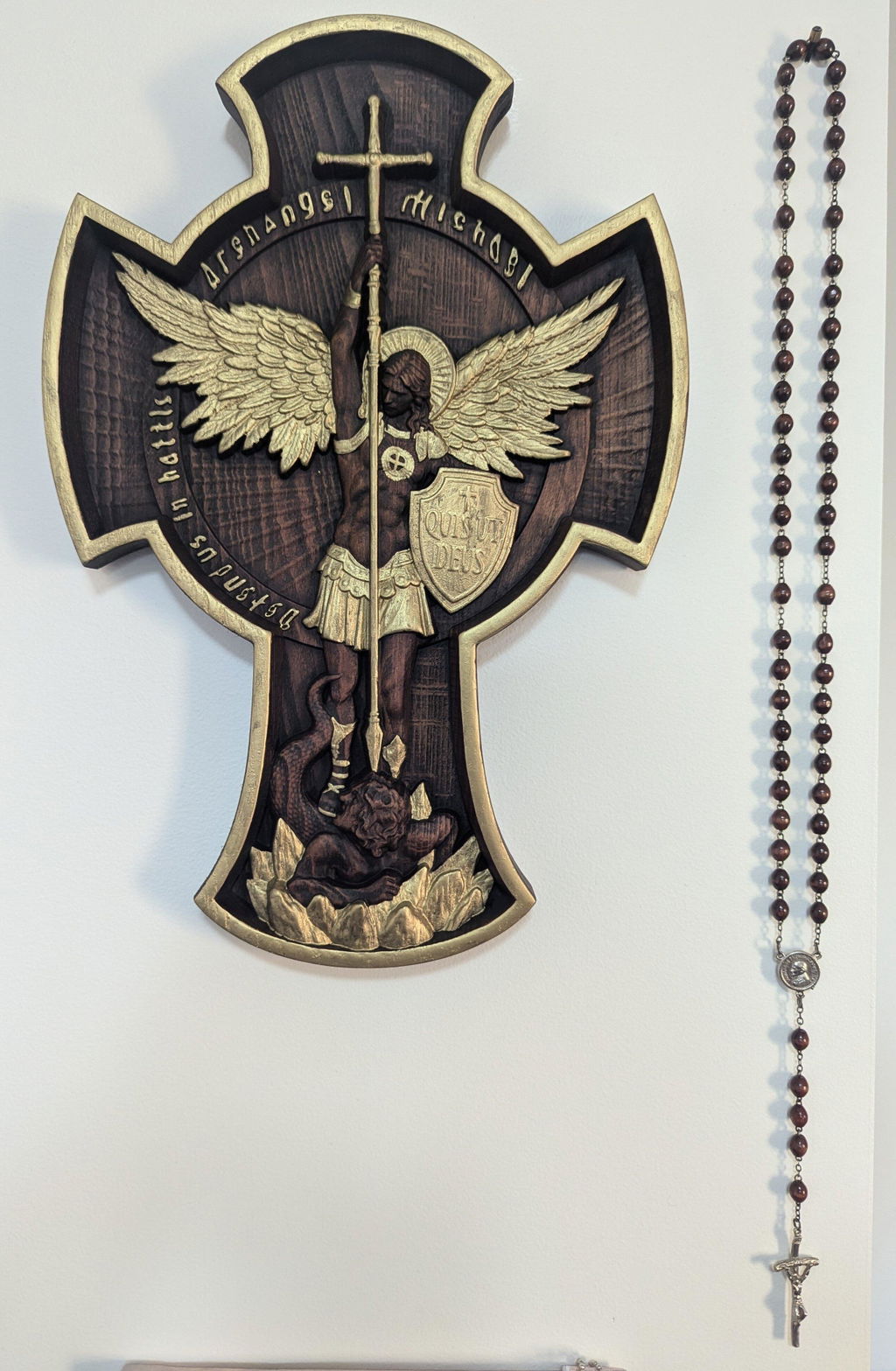
Wood has a particular visual language. Unlike a perfectly uniform surface, it carries grain, tonal variation, and a sense of organic life. Carving adds depth through shadows and raised details, allowing the image to change subtly as daylight moves through a room. These qualities make wooden religious decor feel both tactile and contemplative.
The product information identifies this icon as hand-carved from solid beech wood. That connection between subject and material is especially resonant for St. Francis. A saint associated with attentiveness to creation is represented through a natural material whose grain remains part of the finished piece. The result can complement interiors that favor wood furniture, linen, stone, plants, or other calm textures without turning a room into a themed display.
It is also useful to approach carved devotional decor slowly. Notice the overall composition first, then the smaller contours, border, and surrounding figures. This kind of careful viewing can be a small contemplative practice in itself. It asks for the same quality that many people seek in prayer: enough stillness to see what is already present.

Creating a Peaceful Prayer Corner at Home
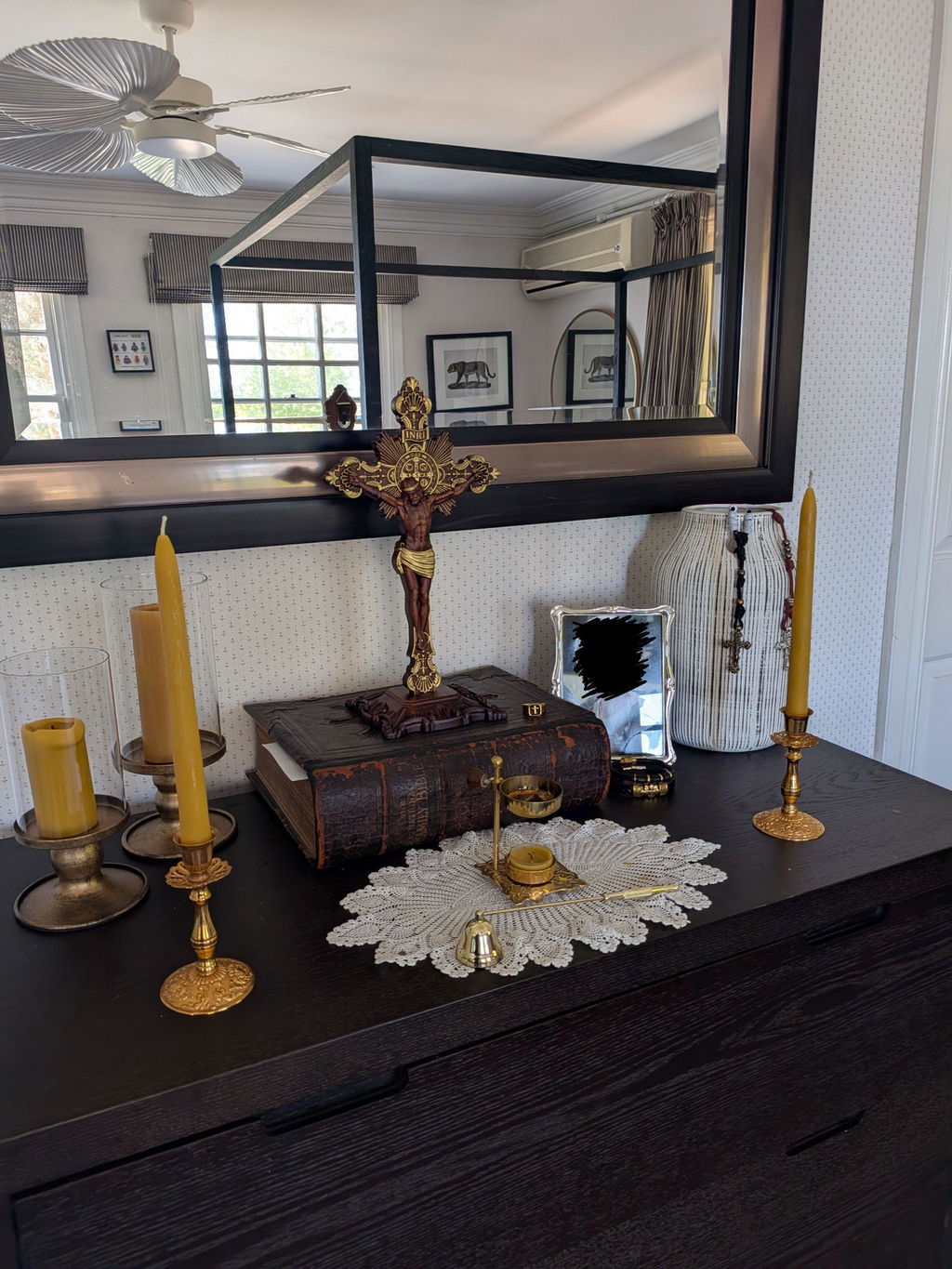
A home prayer corner does not need to be large or elaborate. A quiet section of a bedroom, living room, hallway, or study can become a place for a few minutes of reflection. Begin with a stable surface or clear section of wall. Add only what supports attention: perhaps a Bible, prayer book, candle used safely, rosary, small plant, or meaningful family keepsake.
A St. Francis icon can provide the visual anchor. Because the product information includes both wall-hanging hardware and a display stand, it can be considered for a wall arrangement or tabletop setting according to the needs of the room. Leave some open space around it so the carving can be seen without visual clutter. Soft natural light can reveal its texture, while a neutral background helps the wood remain the focus.
Its symbolism also suggests a simple rhythm for using the space. One might begin by giving thanks for the natural world, remember a person or animal in need of care, and finish by considering one practical act of kindness. The point is not to create an impressive display, but to shape a corner that makes quiet attention easier.
Living with Faith-Inspired Decor
Christian home decor tends to feel most natural when it participates in the life of a room. In an entryway, a carved image of St. Francis can quietly express hospitality and peace. Near a reading chair, it may accompany Scripture reading or journaling. In a room shared with pets or overlooking a garden, the association with animals and creation may feel particularly personal.
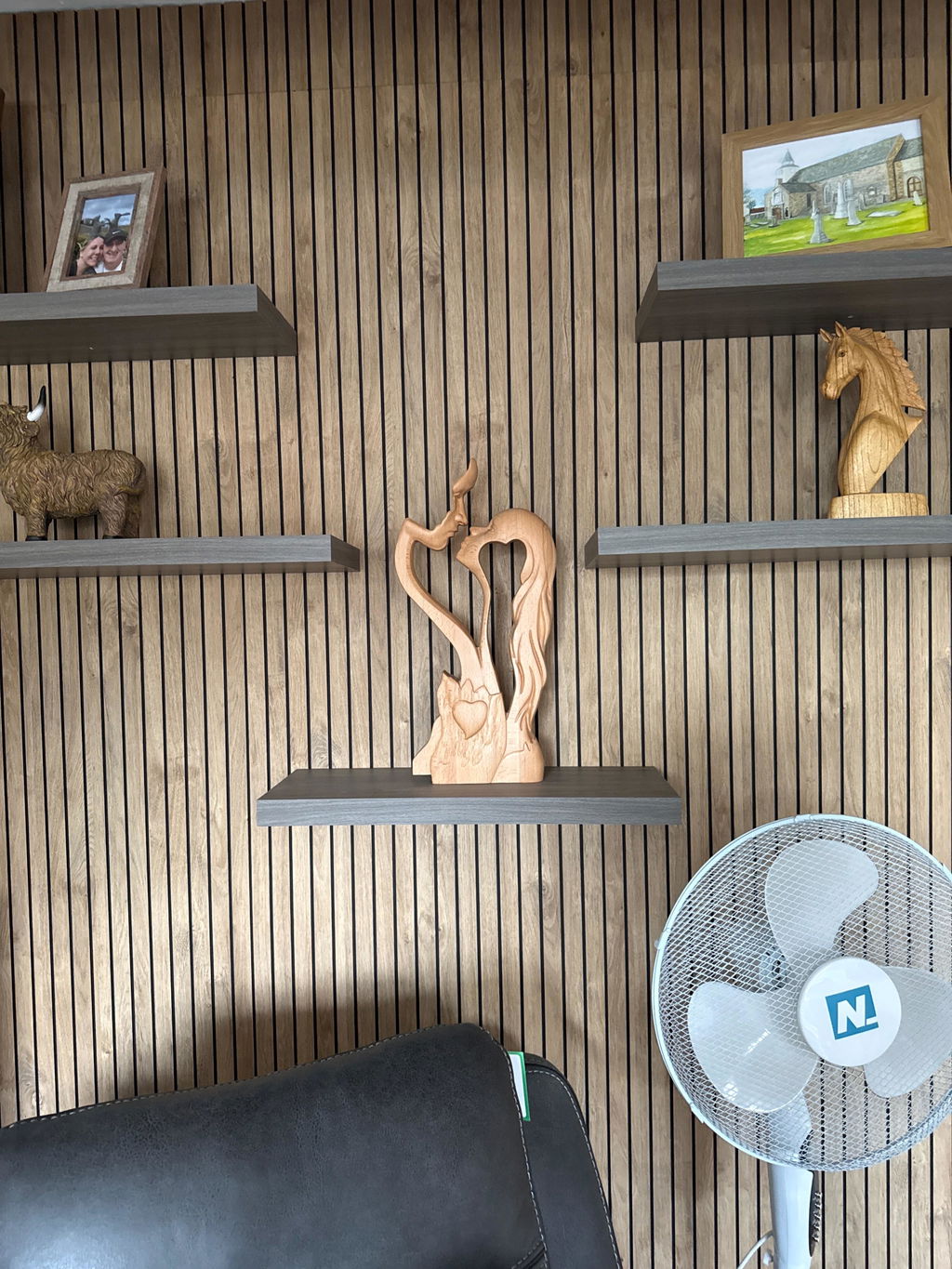
The carved St. Francis icon can also sit among objects collected over time rather than in isolation. Family photographs, inherited devotional items, pottery, and books can create a layered setting that reflects real household memory. The warm wood makes it easier to combine with both traditional Catholic home decor and simpler contemporary interiors.

A Meaningful Gift for Life’s Quieter Occasions
Faith-inspired gifts are often chosen for moments when ordinary words feel incomplete. A St. Francis wood carving may be appropriate for someone who has a devotion to the saint, cares deeply for animals, works with the natural world, or is creating a prayer space at home. It can also mark a housewarming, baptism, confirmation, birthday, or season of renewed spiritual practice.
The best way to give a religious object is with sensitivity rather than assumption. Consider the recipient’s beliefs, home, and personal relationship with sacred imagery. A brief handwritten note can explain why the symbolism brought that person to mind. The note might mention gratitude for their gentleness, care for living things, or steady presence in the community. This keeps the gift personal without placing expectations on how it must be displayed or used.
A Quiet Reminder of Compassion and Creation
Sacred art does not have to dominate a room to influence its atmosphere. Sometimes its role is simply to call the eye back to a meaningful story. In the figure of St. Francis, that story includes humility, joy, care, and reverence for creation. In carved wood, those ideas take on an appropriately warm and earthly form.
Whether placed in a dedicated prayer corner or integrated into everyday decor, a St. Francis wood icon can encourage a slower and more attentive way of seeing. It invites reflection on the relationship between faith and daily habits: how we care for our homes, our neighbors, animals, and the wider world. That is a modest role for one object, but it is also a lasting one—a quiet reminder to meet creation with gratitude and compassion.