A Good Friday Wood Carving for a Quiet Place of Prayer
Good Friday asks Christians to pause before one of the most difficult and central images of the faith: Jesus crowned with thorns and giving himself upon the Cross. In a church, the liturgy gives this pause a shared form. At home, a simple devotional object can create a quieter invitation to remember. A carved wooden plaque does not replace prayer or Scripture; rather, it can mark out a place where attention slows and the familiar story is encountered again.
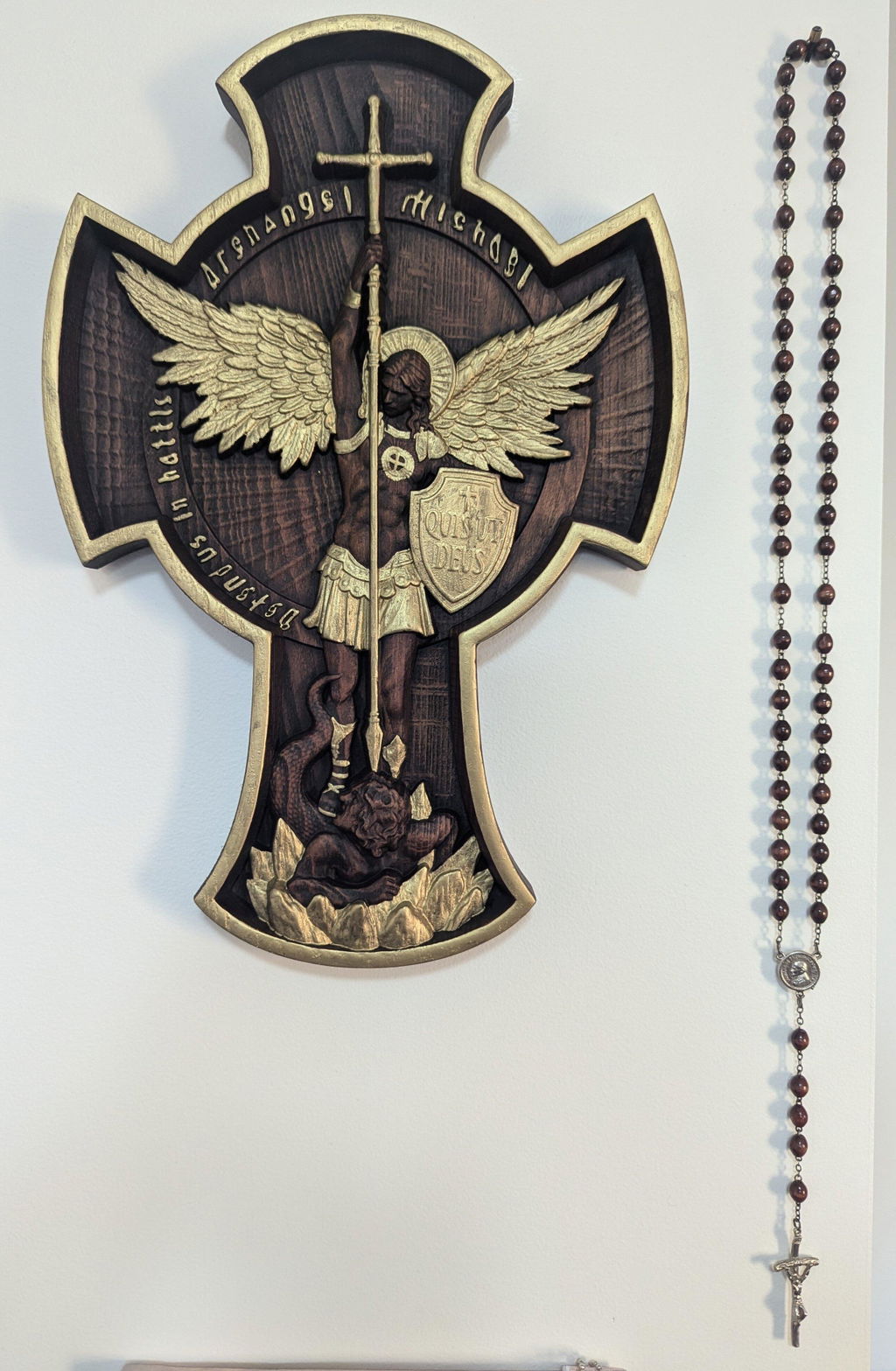
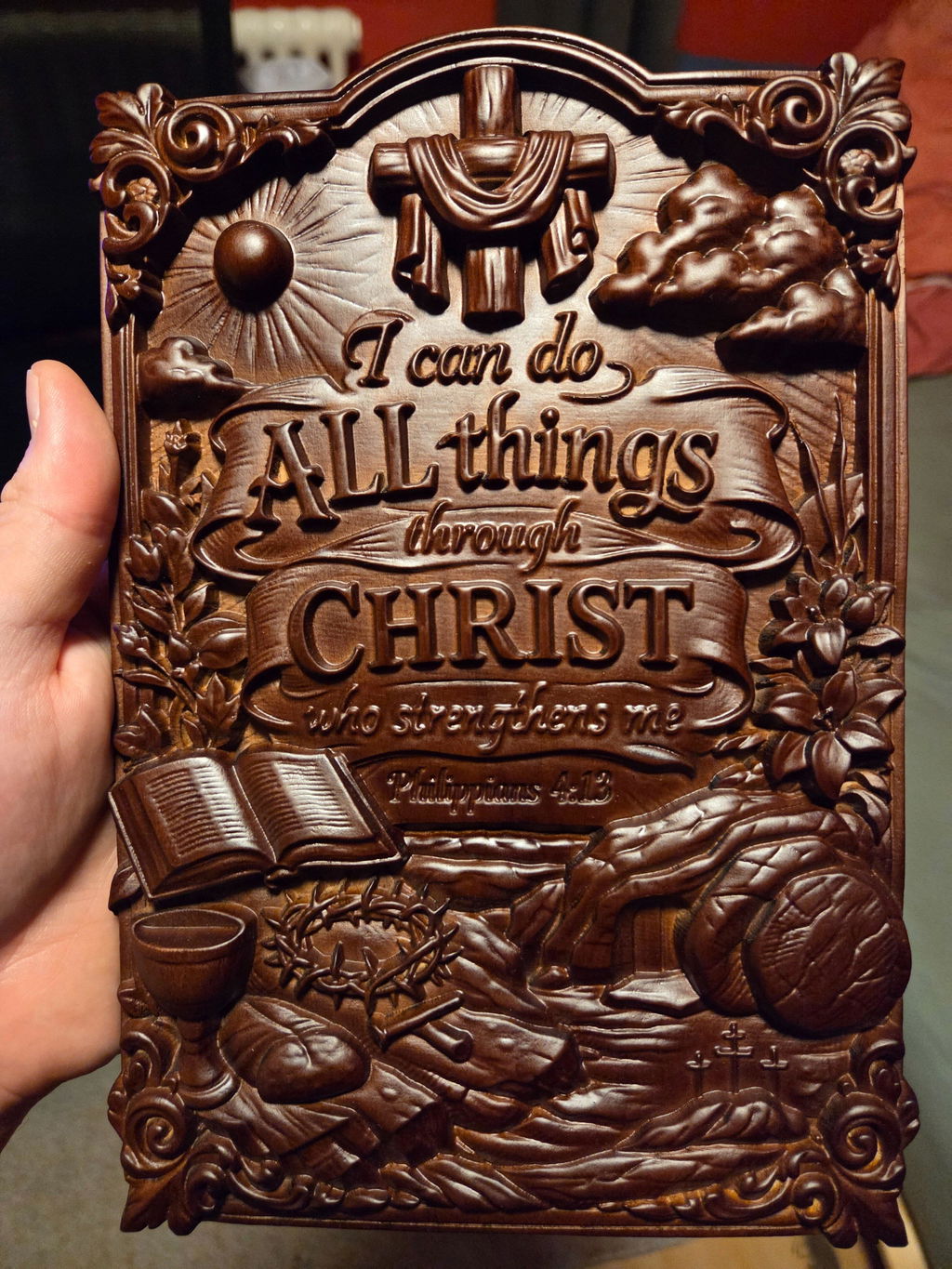
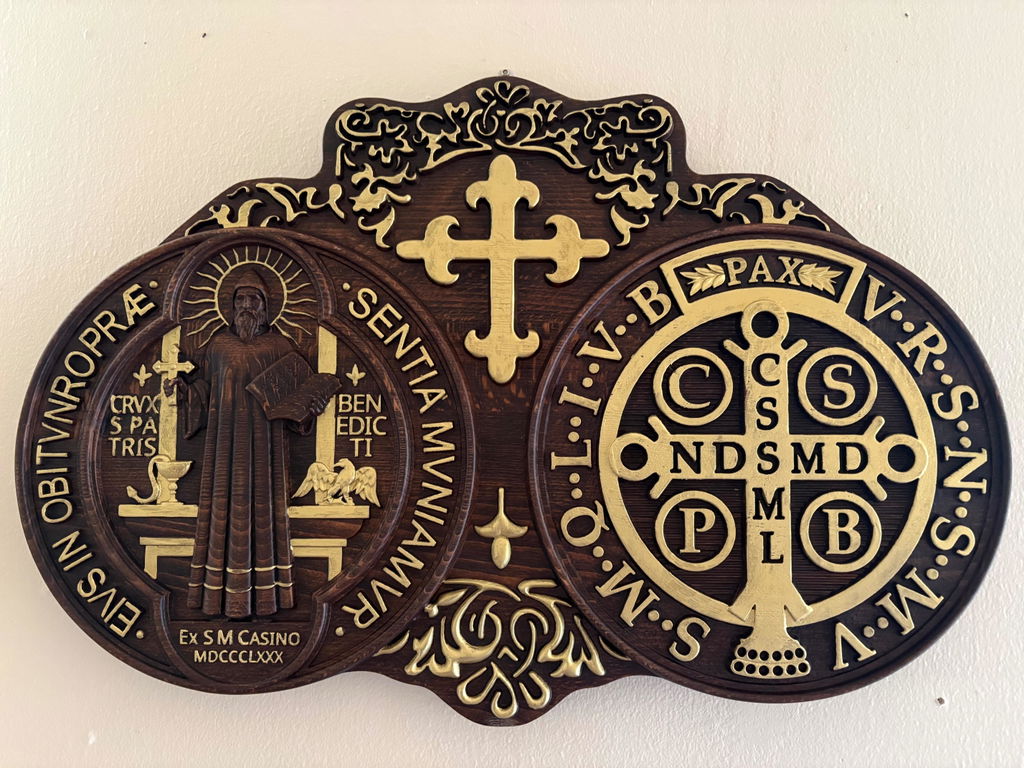
The BGCOPPER Good Friday carved wood plaque presents Christ in relief, with the crown of thorns and the Cross forming the visual center. Its subject is solemn, but not intended merely as an image of suffering. For Christian and Catholic homes, it can also speak of mercy, sacrificial love, forgiveness, and hope beyond sorrow.

The meaning of Christ crowned with thorns
The crown of thorns carries a striking contrast. A crown usually signifies honor and authority, yet the Gospel accounts place this crown within mockery and humiliation. For believers, the image draws together human cruelty and Christ’s willing humility. It encourages reflection not only on what Jesus endured, but also on the kind of kingship revealed through service, patience, and self-giving love.
Because of that contrast, the scene is especially appropriate during Lent and Holy Week. It can accompany meditation on the Passion, the Stations of the Cross, or a few moments of silence on Good Friday. Yet its meaning is not confined to one season. Throughout the year, it may remind a household that Christian hope does not ignore suffering. It looks honestly at suffering while holding to the promise that violence, abandonment, and death do not have the final word.
This image can also prompt a personal examination of conscience. The viewer might consider where pride needs to give way to humility, where resentment calls for forgiveness, or where another person’s burden needs compassionate attention. Sacred art is often most meaningful when it does more than decorate a wall: it opens a path from seeing to remembering, and from remembering to prayerful action.
Why wood feels at home in devotional spaces
Wood has a natural warmth that suits a reflective interior. Its grain gives the surface movement without demanding attention, and its earthy tone can sit comfortably beside linen, stone, books, candles, or other understated materials. Unlike a perfectly uniform manufactured surface, natural wood retains visible variation. That character can make a devotional piece feel grounded and personal.
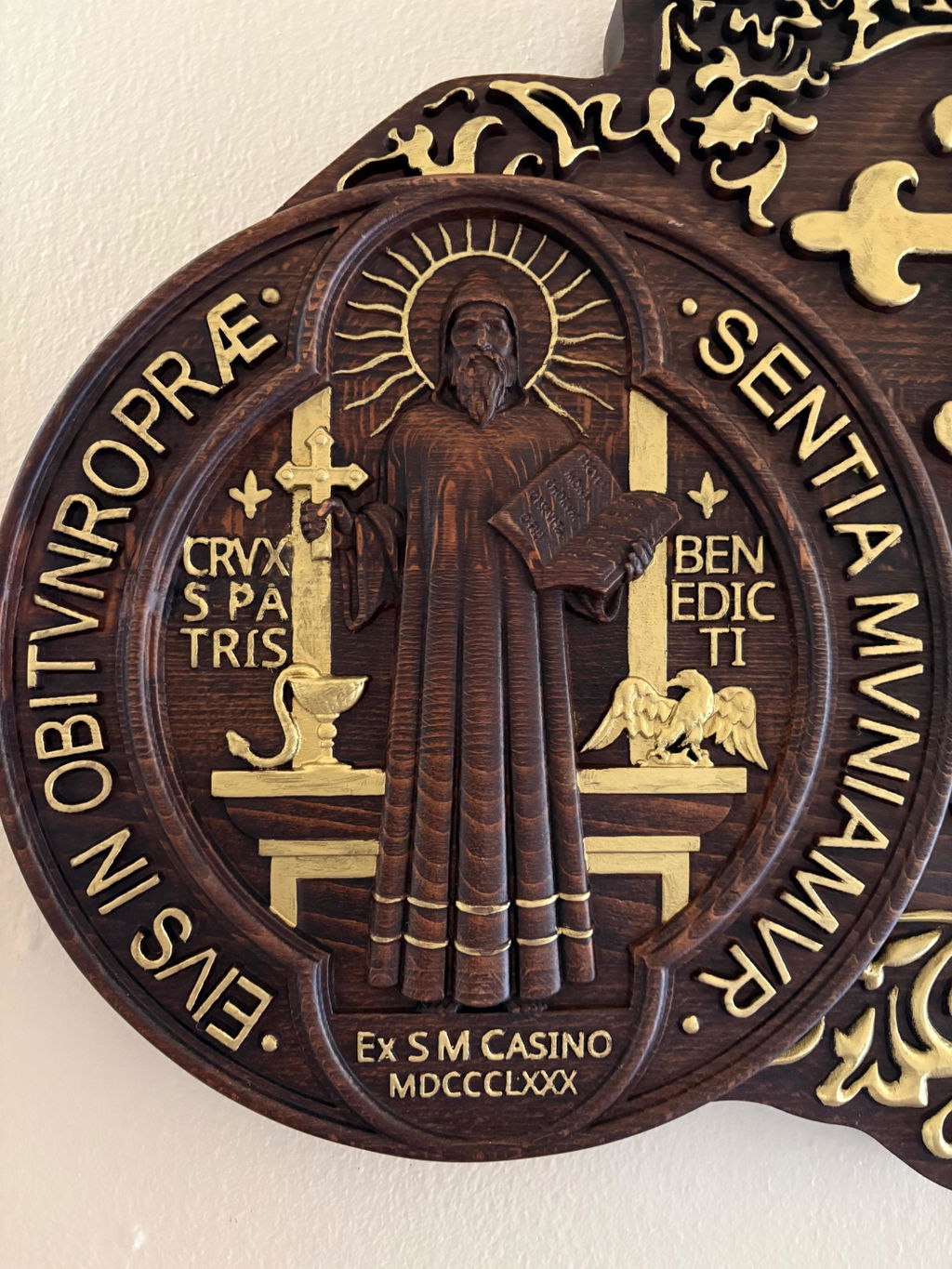
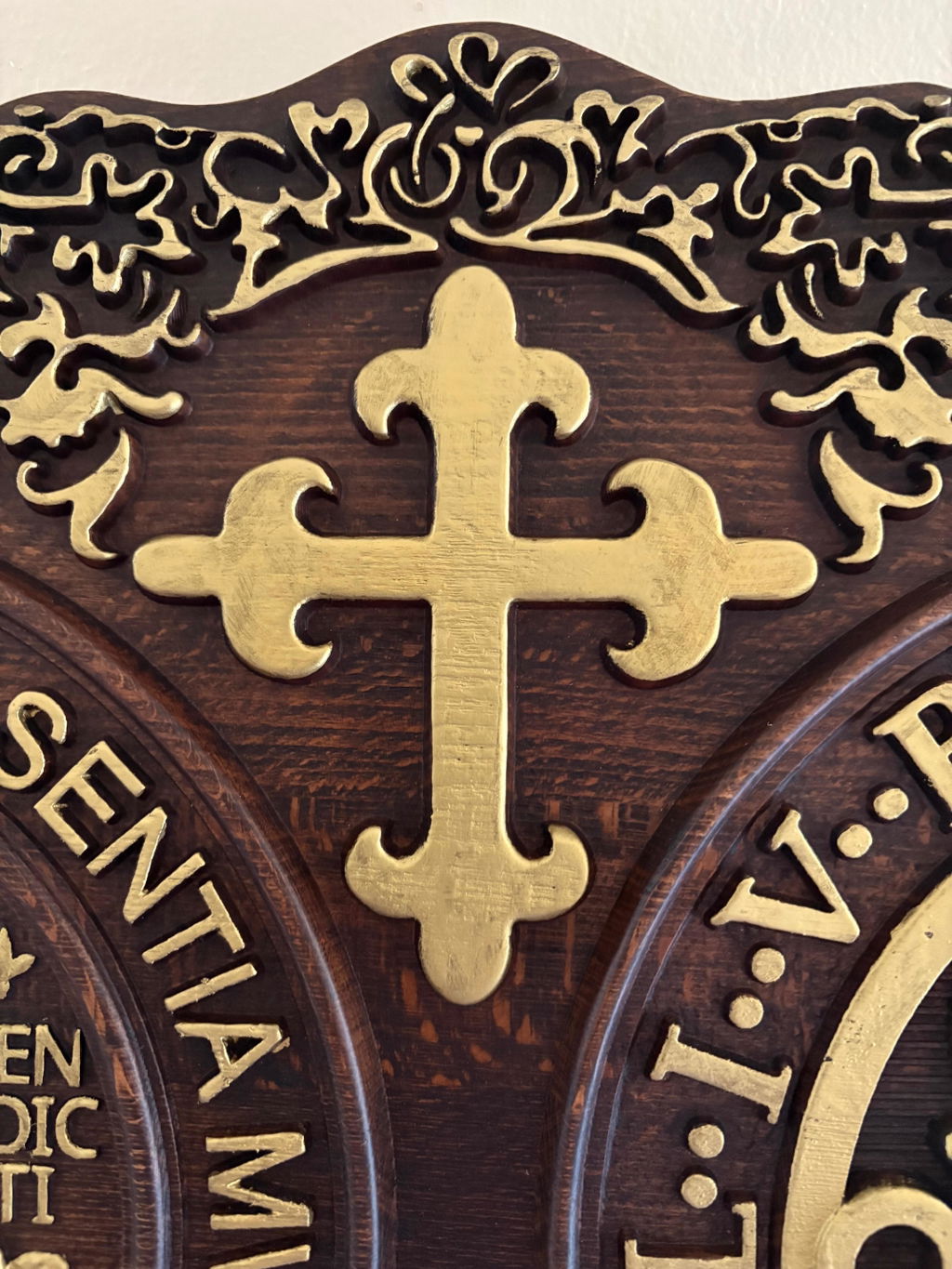
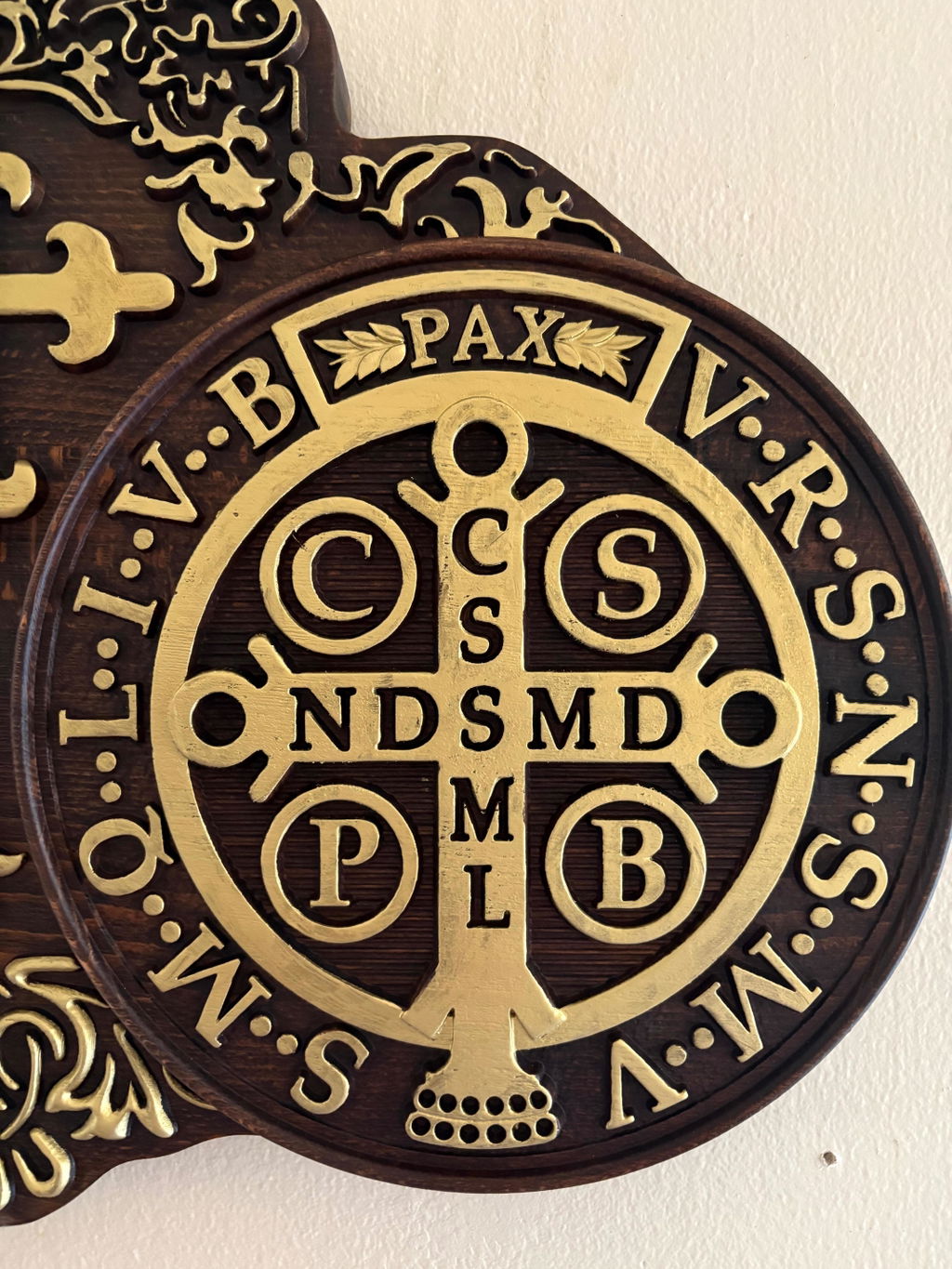
According to the product details, this plaque is carved from solid beechwood, hand-polished, and protected with a water-based varnish. The relief format uses changes in depth, line, and shadow to shape the face, crown, and surrounding forms. As daylight changes across a room, those carved details may appear more pronounced or more subdued. This interaction between material, image, and light is part of the enduring appeal of Christian wood carving.

Creating a simple home prayer corner
A prayer corner does not need to be large or elaborate. It may be a small section of a shelf, a wall near a chair, or a calm place away from household traffic. The purpose is not to imitate a church sanctuary, but to support a regular habit of attention. A Bible, prayer book, rosary, or candle can be arranged nearby according to the practices of the household.
A plaque depicting Christ’s Passion naturally becomes the visual anchor. Place it where it can be seen comfortably without crowding the surrounding area. Leaving some open space around sacred art often allows the subject to breathe. Neutral walls and gentle lighting can complement the beechwood, while a small cloth in a seasonal liturgical color can help the prayer corner change through Lent, Easter, Advent, and Ordinary Time.
During Good Friday, the space might remain especially simple. Families may gather for a Gospel reading, quiet intercessions, or a period of silence. At other times, one person might sit there at the beginning or end of the day. The value of the setting comes from repeated use, not decorative perfection. Even a brief pause can become a practice of returning the mind to gratitude, mercy, and the needs of others.
A thoughtful form of Catholic and Christian home decor
Faith-inspired home decor is most successful when it belongs naturally to both the spiritual life and the visual character of the room. The carved plaque commemorating Jesus’ crucifixion has a clearly devotional subject, while the wood surface gives it the warmth of traditional craftsmanship. It can suit a prayer room, study, bedroom, hallway, or another quiet area where the image can be approached respectfully.
Before choosing a display location, it is wise to review the available options and dimensions on the product page. Consider the scale of the wall, the distance from which the relief will usually be viewed, and how it relates to nearby objects. As with other natural wood decor, gentle handling and a clean, dry setting will help preserve its appearance. Avoid harsh cleaning products and prolonged moisture.

Giving a meaningful object of faith
A religious wood carving can be a thoughtful gift when its imagery reflects the recipient’s faith and devotional life. Possible occasions include Confirmation, marriage, a new home, reception into the Church, ordination, or a milestone in a person’s spiritual journey. It may also be offered without a formal occasion to someone establishing a prayer space or seeking a tangible reminder of hope during a difficult season.
The meaning of the gift should remain more important than ceremony. A short handwritten note can explain why the image was chosen, perhaps sharing a Scripture passage or a simple prayer. Since the Passion is a solemn theme, sensitivity matters: consider the recipient’s traditions, circumstances, and comfort with this particular depiction of Christ.
A quiet invitation to remember
Christian sacred art does not need to be ornate to carry meaning. In this beechwood relief, the grain, carved lines, and image of Christ crowned with thorns come together as a restrained invitation to contemplation. In a Catholic prayer corner or a Christian home, it can keep Good Friday’s message visible: love remains present in suffering, humility can answer pride, and hope reaches beyond the Cross.
Whether encountered during Holy Week or in an ordinary morning of prayer, the plaque offers a place for the eyes to rest and the heart to become still. Its deepest purpose is not to complete a room, but to gently direct attention toward the faith that gives the image its meaning.