The Empty Tomb in Christian Home Decor: A Quiet Easter Reminder
Easter decorations often bring spring color into the home, but Christian home decor can also create space for something quieter: remembrance. An image of the empty tomb turns attention toward the heart of the Easter story—the movement from grief and waiting to hope and new life. When that scene is interpreted in wood, its natural warmth helps it feel at home not only during the Easter season, but also in a prayer corner or reflective space throughout the year.
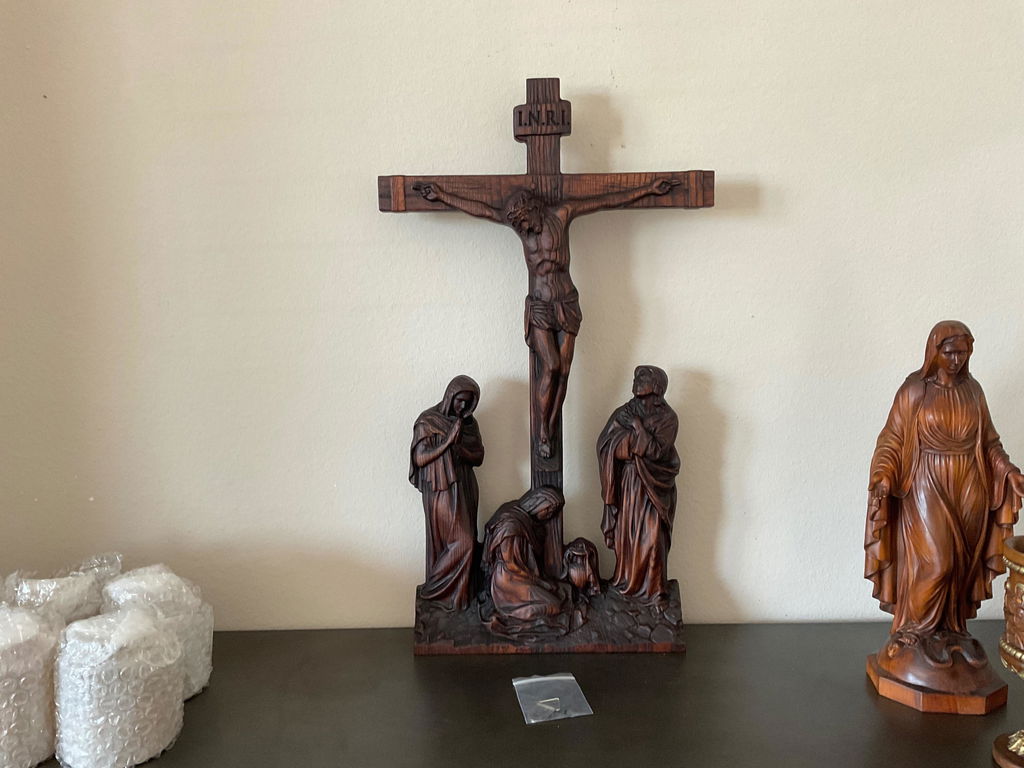
The BGCOPPER solid wood empty tomb scene presents Jesus beside the open tomb in a simple, recognizable composition. Rather than functioning as elaborate seasonal display, it can serve as a small visual prompt: pause, remember, and make room for gratitude.
The Empty Tomb as a Symbol of Christian Hope
Within Christian tradition, the empty tomb is inseparable from the proclamation of the Resurrection. The scene begins with absence—the stone moved and the burial place no longer holding Jesus—but that absence is understood as a sign of life rather than loss. It is why the empty tomb carries such emotional range: sorrow is acknowledged, yet it is not the final word.
In a home setting, this symbol can encourage reflection without requiring a large or formal devotional arrangement. It may recall the Gospel accounts read during Holy Week and Easter, while the figure of Jesus keeps the scene centered on a personal presence rather than on an abstract idea. For families, it can also provide a natural starting point for conversations about why Easter extends beyond eggs, flowers, and other familiar seasonal customs.

Why Wood Suits a Sacred Story
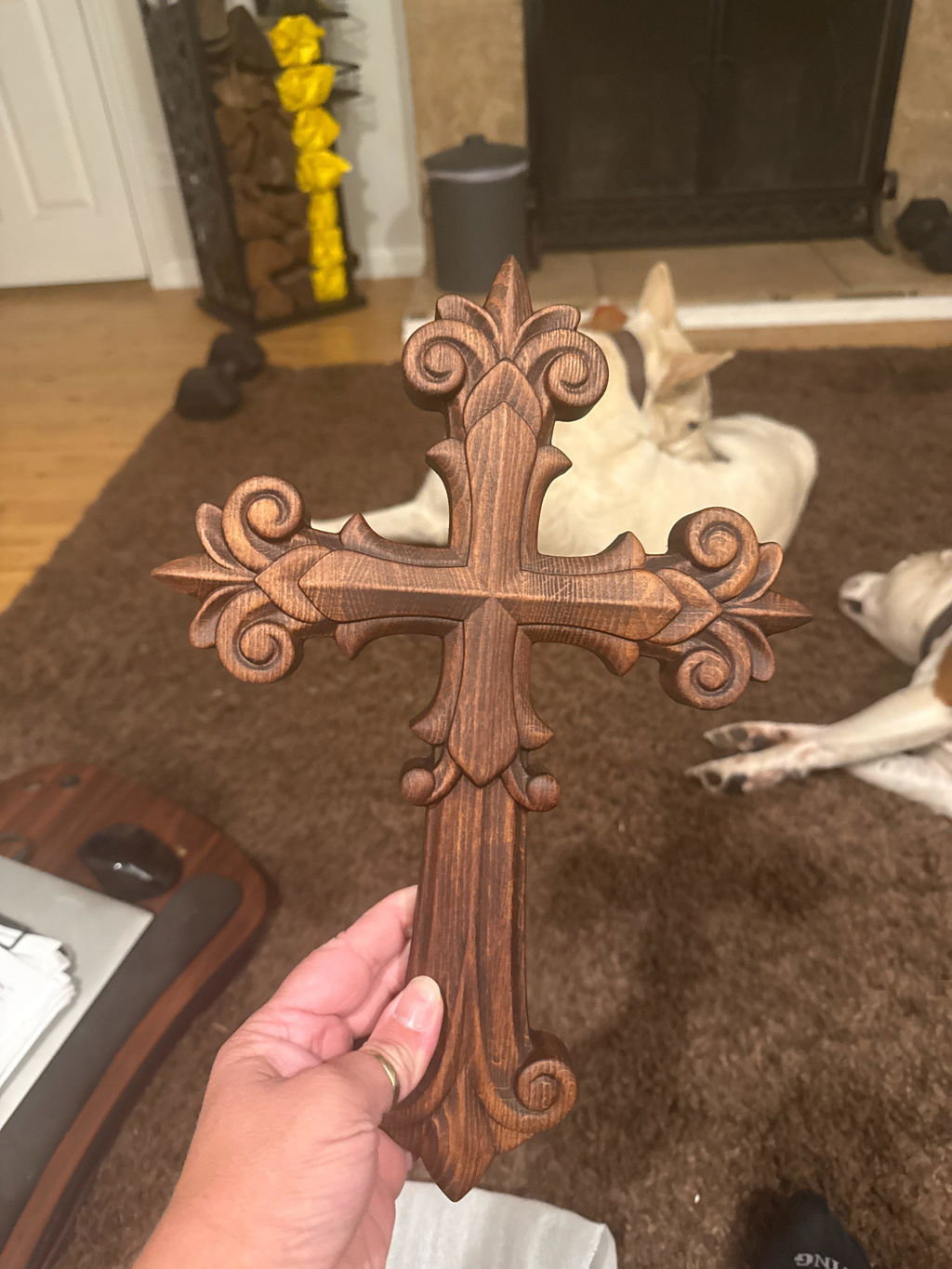
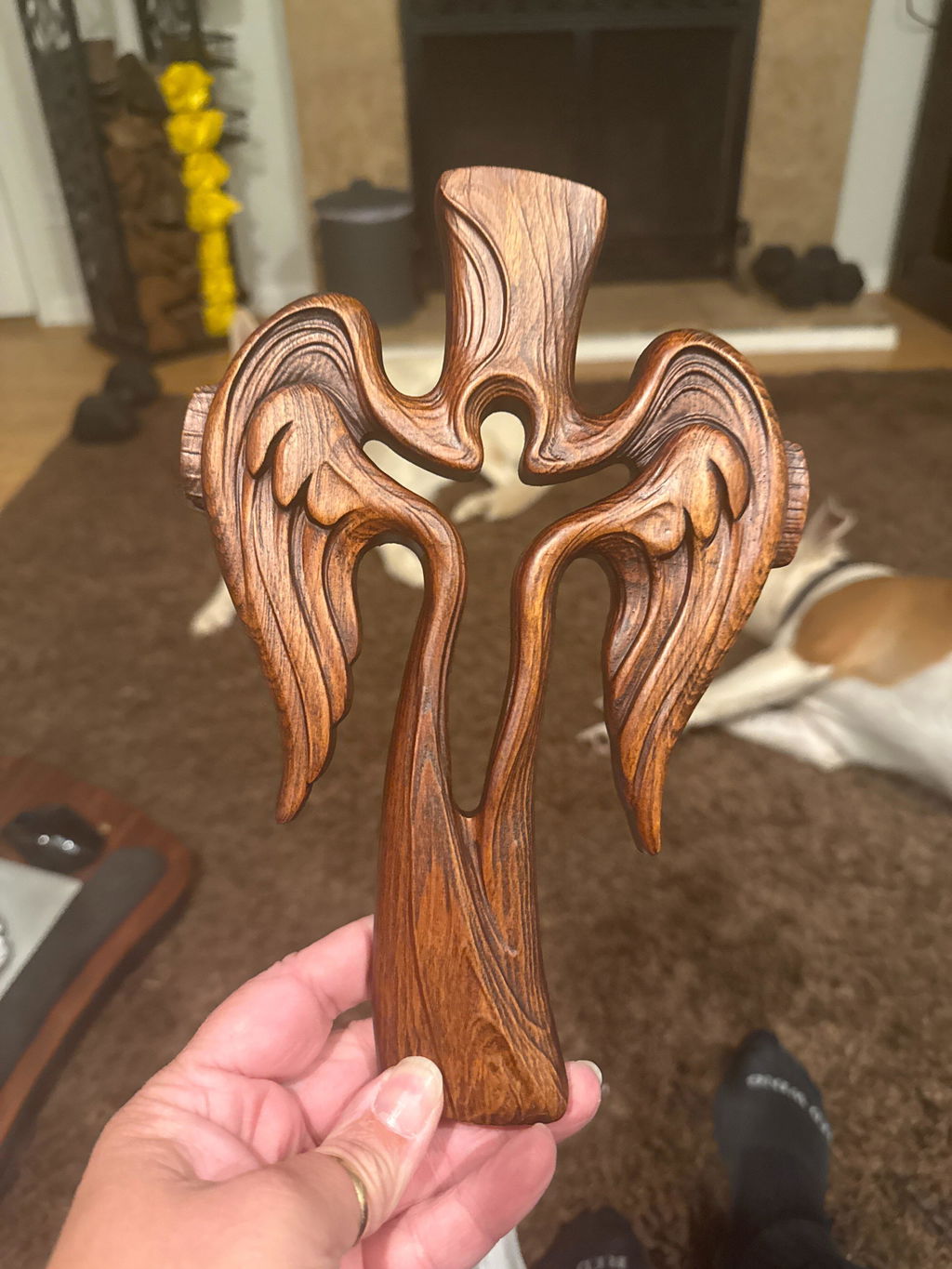
Wood carries a visual softness that differs from polished metal, glass, or brightly colored seasonal materials. Grain, tone, and a satin-smooth surface can give religious decor a grounded presence. The material also connects naturally with interiors that favor warm neutrals, traditional furnishings, rustic textures, or simple contemporary spaces.
The product is described as solid wood and handmade, with a minimalist design. Those qualities suit a scene that benefits from clarity. A restrained silhouette allows the open tomb, the stone, and the figure of Jesus to remain legible without surrounding them with excessive detail. Because carved and shaped wood responds to light through gentle shadows, the scene may appear subtly different across the day as natural or lamplight changes.
Handmade wood decor can show the character of its material, so slight visual variation is best understood as part of the object rather than as a distraction from it. Care can remain simple and gentle: keep a wooden devotional piece in a clean, dry setting, handle it thoughtfully, and avoid prolonged moisture or harsh cleaning products.
Creating a Prayer Corner at Home
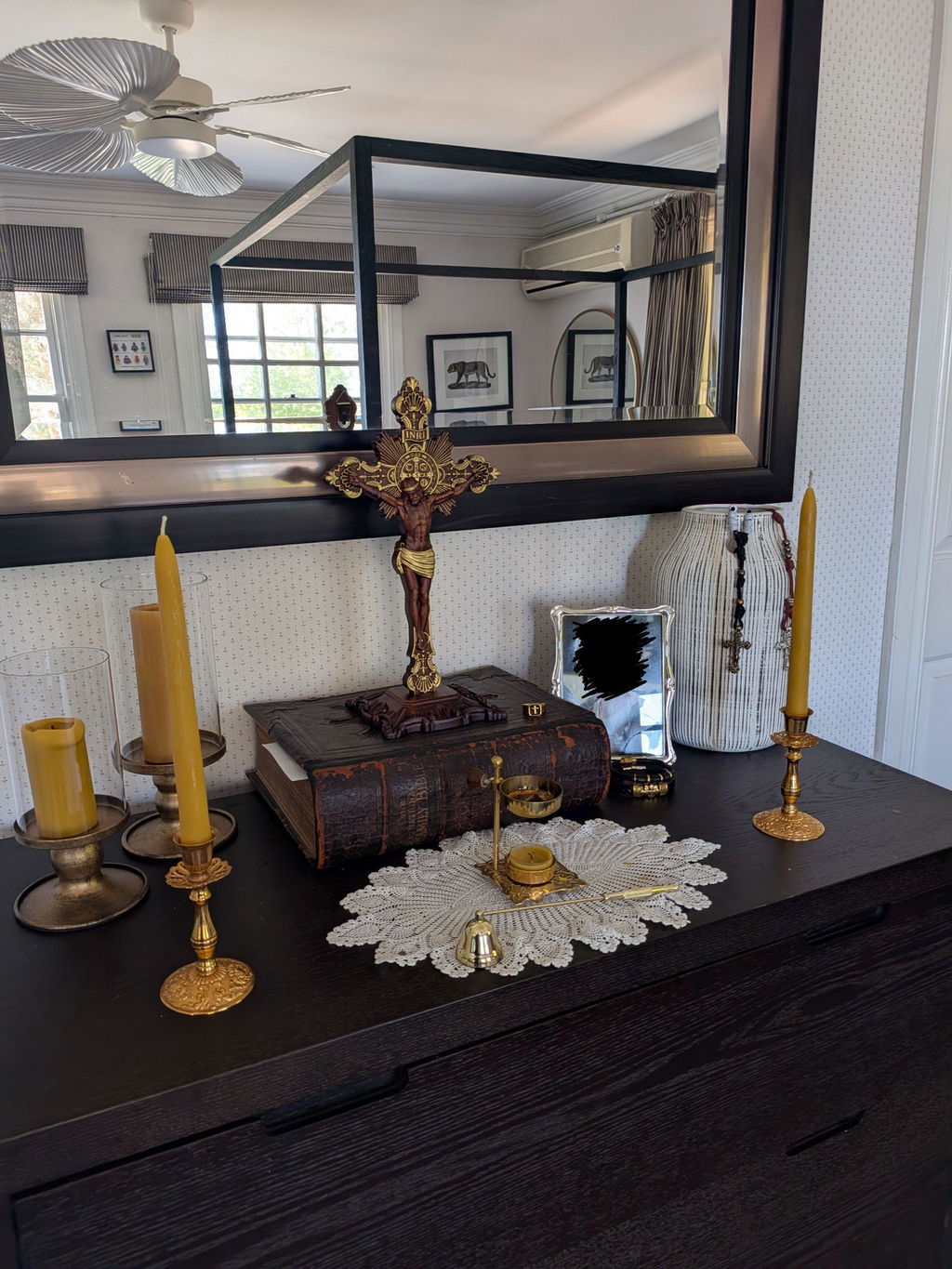
A prayer corner does not need to occupy an entire room. A small shelf, console, bedside table, or quiet part of a desk can become a place for stillness when it is arranged with intention. An empty-tomb scene can be the focal point, accompanied by a Bible, prayer book, candle used safely, or a small vase of seasonal greenery. Leaving some open space around the carving helps the imagery remain calm and easy to see.
During Lent, the area might stay especially spare, allowing the display to change gently for Easter. On Easter morning, flowers or a light-colored cloth can mark the season without overwhelming the wood. After the Easter season, the scene can remain as a year-round reminder of hope, or it can be stored carefully and returned to a family’s annual observance.

Placement can reflect the rhythm of the household. A living-room shelf makes the symbol part of shared family life. A bedroom or reading nook offers more privacy. A dining-room display can connect prayer and gratitude with meals and gatherings. The product description also suggests living rooms, bedrooms, dining tables, and office tables, showing how adaptable a compact faith-centered object can be.
A Gentle Way to Teach the Easter Story
Visual objects can help children and adults return to a story slowly. Parents or grandparents might use the scene while reading one of the Gospel Resurrection accounts, inviting children to identify the tomb, the moved stone, and Jesus. The goal need not be a formal lesson. A few open questions—What do you notice? Why is the tomb open? What does Easter mean to our family?—can make reflection feel natural.
The same approach works for adults who want to establish a simple devotional rhythm. Looking at one detail before prayer, reading a short passage, or sitting quietly for a few minutes can turn familiar imagery into a practical cue for attention. The carving does not replace Scripture or worship; it supports remembrance through the physical environment of the home.
A Meaningful Christian Gift
Faith-inspired gifts are often most meaningful when they acknowledge a person’s season of life. An empty-tomb decoration may be considered for Easter, a housewarming, reception into the Church, baptismal anniversary, or the creation of a first home prayer space. It may also offer gentle encouragement to someone who finds particular meaning in themes of renewal and hope.
When giving religious decor, it helps to consider the recipient’s traditions, available display space, and personal style. A minimalist wooden scene is understated enough to complement many interiors, yet its symbolism is specific and clear. Including a handwritten note with a favorite Easter verse or a personal memory can make the gift feel more thoughtful than promotional.

Living with the Message Beyond Easter
The most enduring Christian decor does more than fill an empty surface. It helps the home tell a story about what its inhabitants value. The empty tomb speaks of waiting transformed, sorrow met by hope, and life understood through the Resurrection. Wood adds warmth and familiarity, allowing that message to settle naturally among everyday surroundings.
For those considering an Easter focal point or a modest addition to a prayer corner, the solid wood empty tomb with Jesus offers one quiet interpretation of the scene. Whether displayed for a season, used during family reflection, or given to someone beginning a new chapter, its purpose can remain simple: to bring the Easter message close enough to encounter in ordinary daily life.