A Place for Remembrance: Meaningful Wood Carving in a Faith-Filled Home
Some objects in a home are chosen simply because they are beautiful. Others remain with us because they help us remember. A memorial carving belongs to the second category. It can hold a family story, call attention to a life of service, or create a quiet pause in the middle of an ordinary day. The “We Stand for the Flag, We Kneel for the Fallen” American soldier wood carving brings together a patriotic message, the image of service, and the warmth of carved wood. Its purpose is not to turn remembrance into decoration alone, but to give memory a visible place within the home.
Remembering Service with Humility
The words “We stand for the flag, we kneel for the fallen” express two related gestures: respect for shared ideals and humility before sacrifice. Standing suggests attention and gratitude. Kneeling can suggest mourning, prayer, reverence, or the recognition that some gifts can never be repaid. Together, these actions create a language of remembrance that many military families understand deeply.
For Christian and Catholic households, remembrance often includes prayer. Families may pray for those who have died, for veterans carrying difficult memories, for people currently serving, and for peace among nations. A military memorial does not need to make a grand theological statement to support that practice. It can simply become a visual prompt: a reminder to stop, name the people we love, and entrust what we cannot carry alone to God.

The Quiet Warmth of Carved Wood
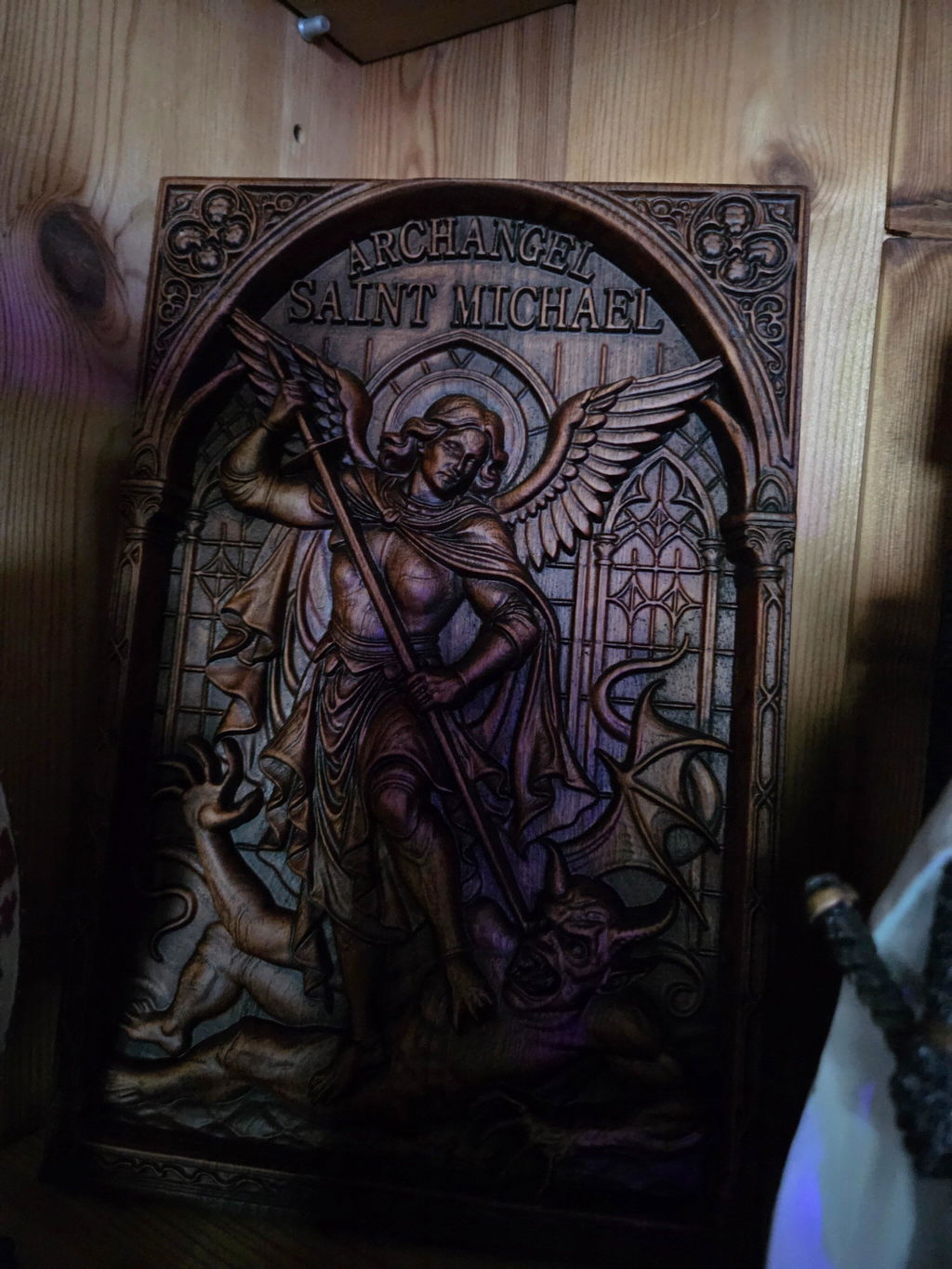
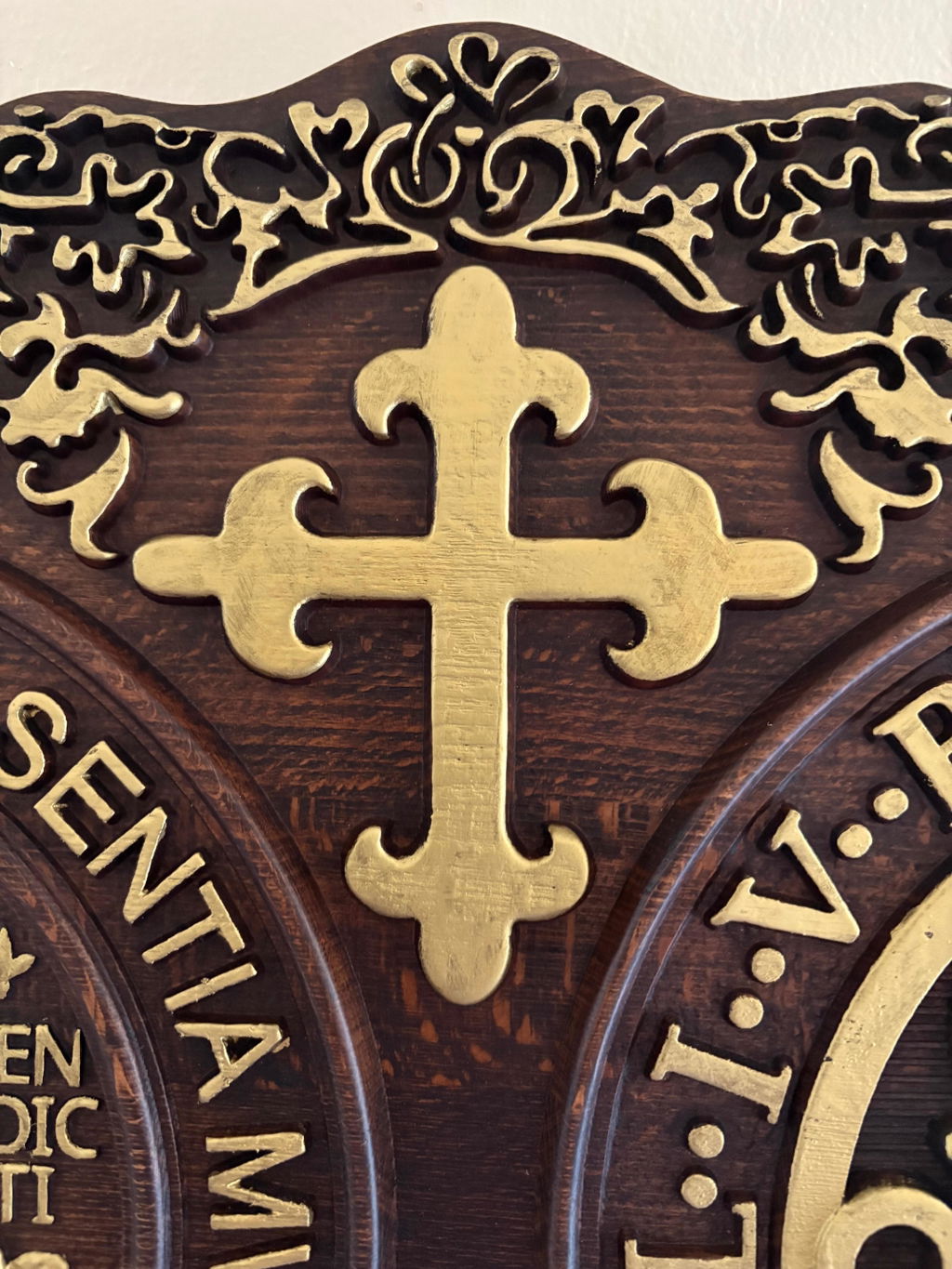
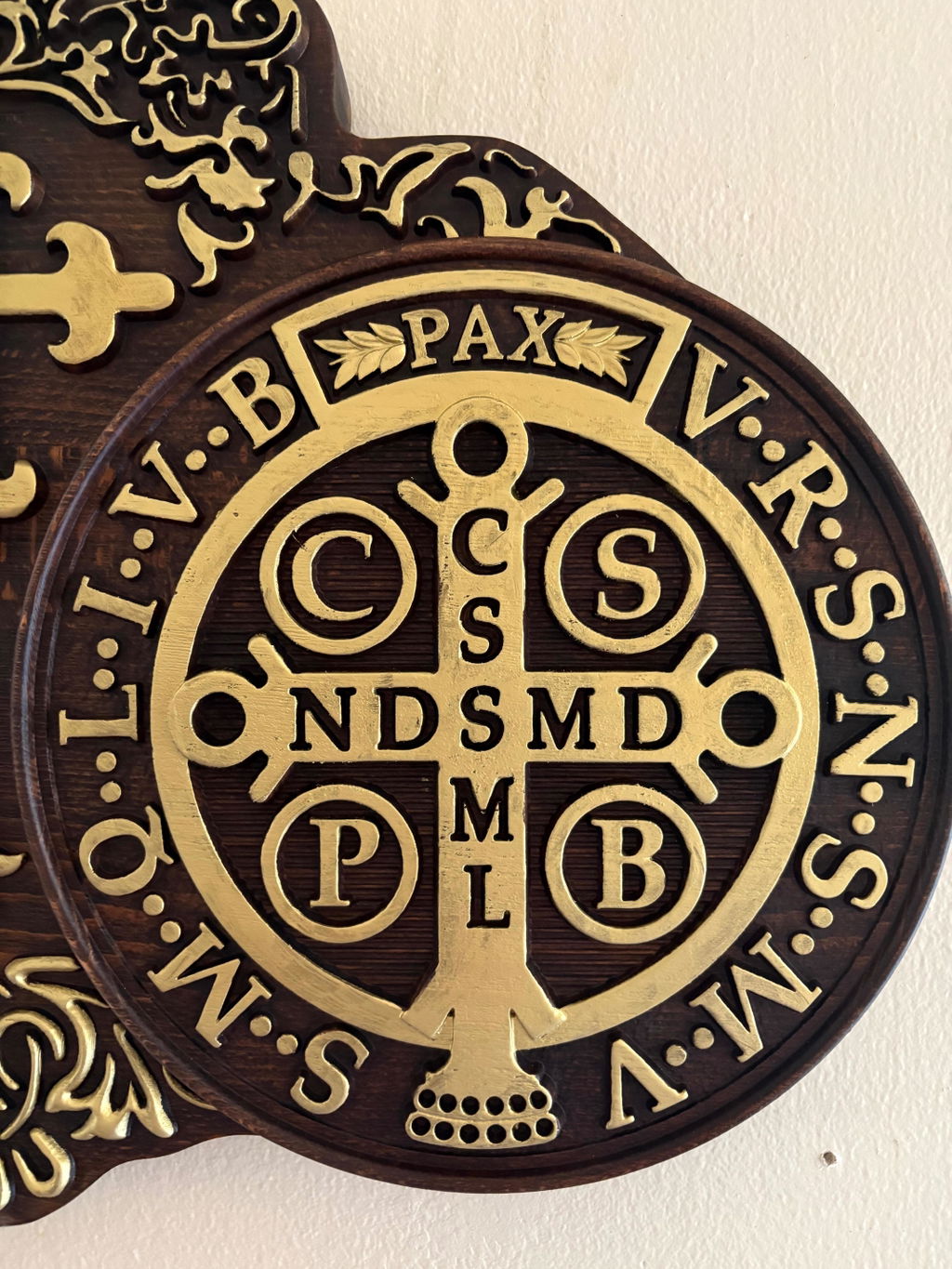
Wood has a natural visual warmth that feels especially appropriate for reflective spaces. Grain, tone, and carved relief soften the boundary between artwork and keepsake. Unlike a glossy sign, a wood carving often invites a slower look. Light settles into the recessed details, while raised areas make the design more tactile and dimensional. That interplay can help a memorial feel grounded rather than formal or distant.
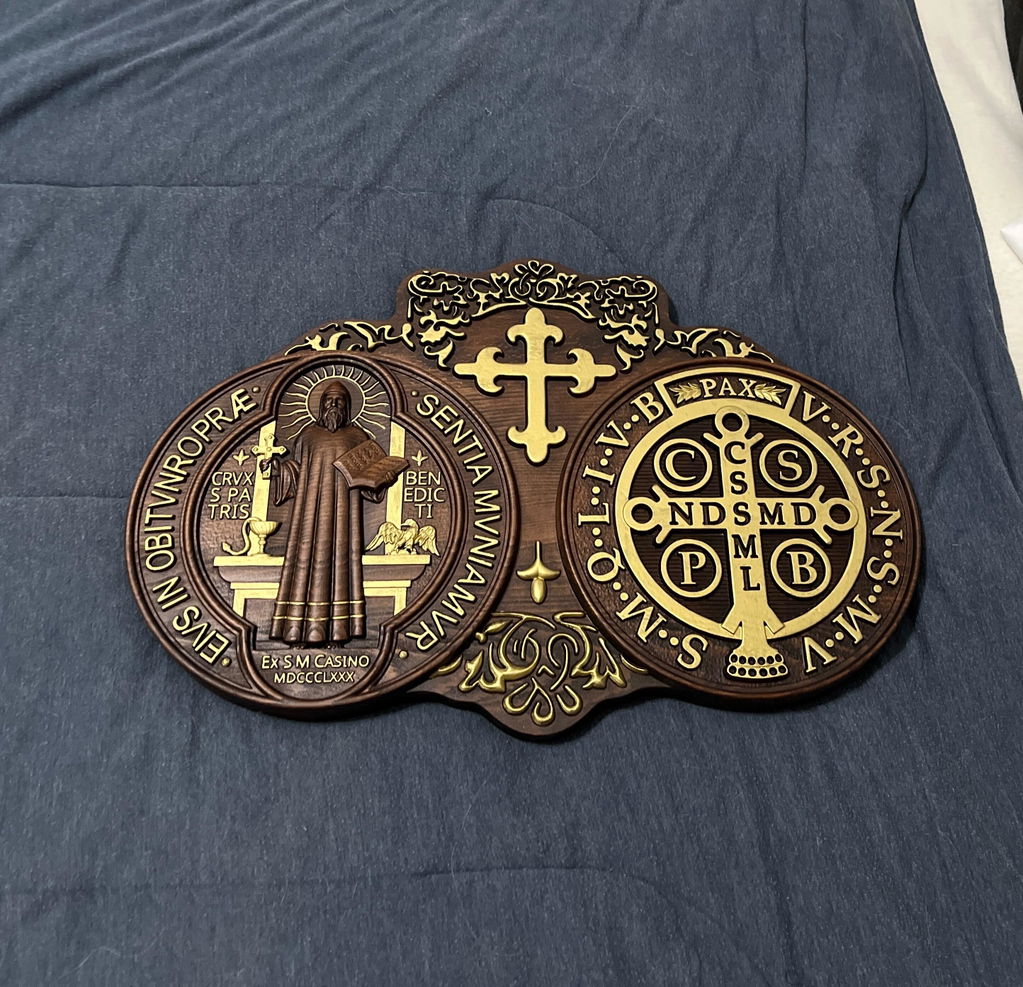
This BGCOPPER piece is described as a solid-wood carving whose design is shaped with precision and then sanded and finished. Those steps matter aesthetically: carving gives the image depth, while careful finishing helps the words and figures remain legible. The result fits naturally with other wooden decor, family photographs, framed prayers, or simple objects gathered over time. It does not require an elaborate room to feel at home.
Creating a Prayer and Remembrance Corner
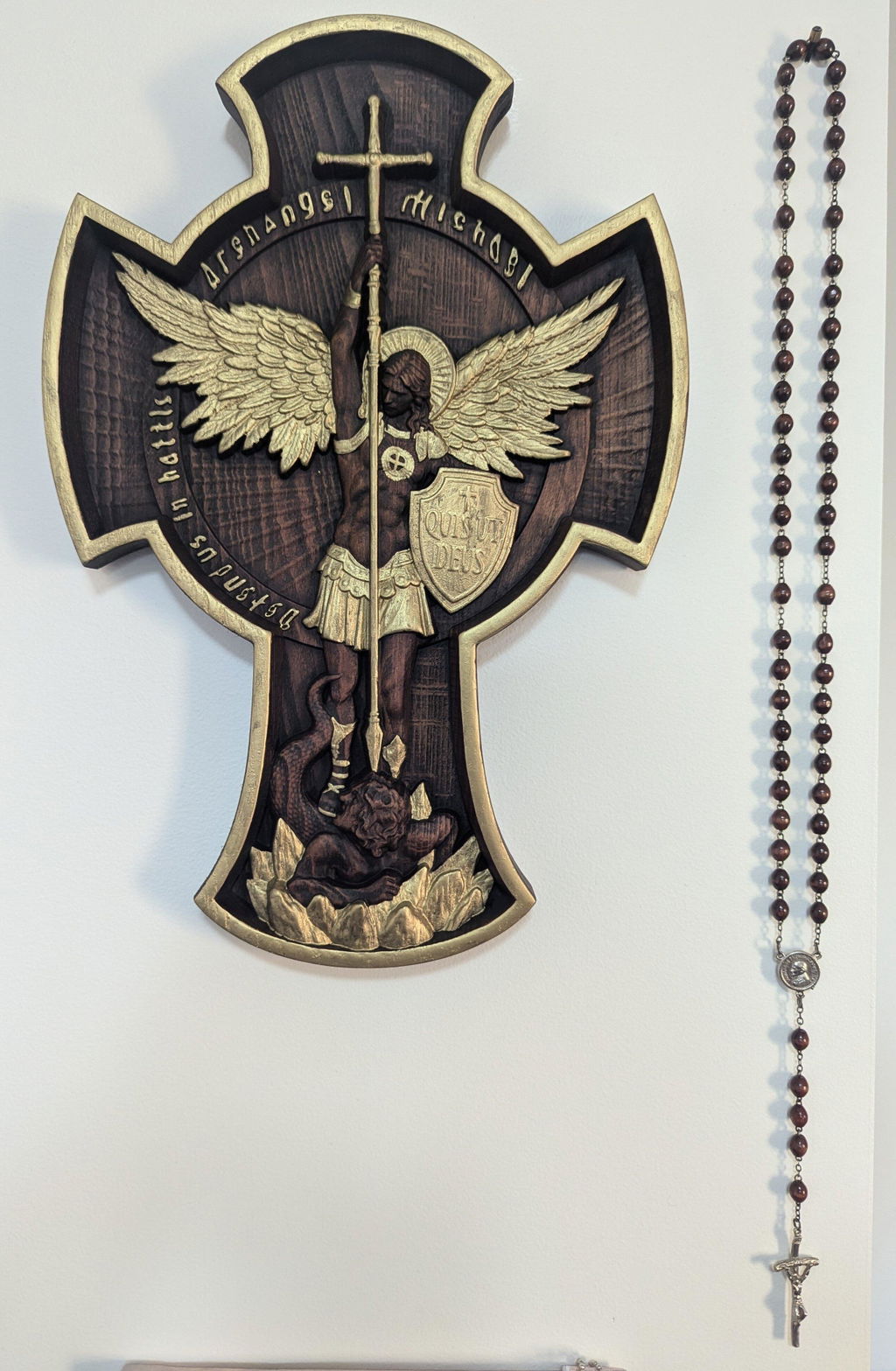
A prayer corner can be as simple as a small table, shelf, or section of a wall. In a Catholic home, it may include a crucifix, Bible, rosary, candle, or image of a saint. In another Christian household, it may center on Scripture, a prayer journal, and family photographs. A soldier memorial can sit nearby when military service forms part of the family’s story.
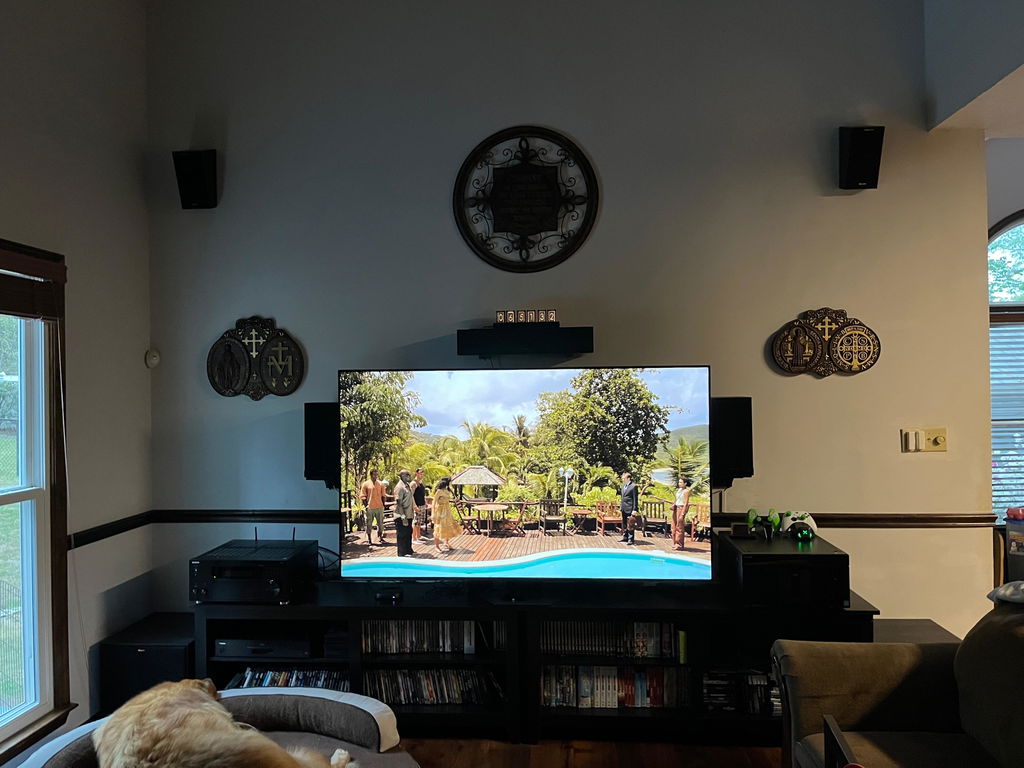
Consider placing the carving where there is enough calm to notice it: beside a reading chair, in a study, along a hallway of family photographs, or near an entryway. Leave some open space around it so that its message can be read without visual competition. Natural textures such as linen, pottery, and unfinished or gently stained wood can complement the carving without making the arrangement feel staged.
If candles are part of your prayer practice, use them safely and keep flame well away from wood, textiles, and wall art. An LED candle can offer a similar visual cue for prayer without an open flame. A small card bearing a loved one’s name or a handwritten intercession can make the space personal. The goal is not a perfect display. It is a place that supports attention, gratitude, and honest prayer.

Faith, Patriotism, and the Hope for Peace
Faith-inspired patriotic decor is most meaningful when it makes room for both gratitude and reflection. Honoring courage does not require romanticizing war. Christian remembrance can recognize sacrifice while also longing for reconciliation and peace. A carving devoted to fallen service members can therefore hold several emotions at once: pride, grief, love, loss, and hope.
This balance is especially important around Memorial Day, Veterans Day, military anniversaries, or the anniversary of a loved one’s death. These occasions can be communal, but grief is often private. A familiar image at home gives family members permission to remember in their own way. One person may pause for a spoken prayer; another may touch the carved surface, look at a photograph, or sit quietly. Such small rituals can carry meaning without requiring many words.
A Thoughtful Gift for Military Families
A memorial carving may be an appropriate gift for a veteran, active-duty household, Gold Star family, military chaplain, or someone preserving the story of a relative who served. It can also mark retirement from service or offer comfort after a loss. Yet memorial gifts deserve sensitivity. Before choosing one, consider the recipient’s relationship to military symbols and whether public acknowledgment feels welcome.
A short handwritten note can explain the intention without speaking for the recipient’s grief. You might express gratitude, share one specific memory, or promise continued prayer. Avoid language that tries to resolve loss too quickly. Often the kindest message is simple: “I remember,” “I am grateful,” or “Your family remains in my prayers.” The American soldier memorial wood carving from BGCOPPER can accompany those words as a lasting sign of care, but the personal note is what connects the object to a real story.
Letting Remembrance Become a Daily Practice
Memorial decor has its deepest value when it leads beyond itself. A glance at the carving might prompt a prayer for a particular family, a call to a veteran who lives alone, support for a local military community, or a conversation with children about courage and service. In this way, remembrance becomes active rather than merely nostalgic.
A home cannot contain every part of a family’s history, but it can make room for the stories that shape its values. Through its carved message and natural material, this piece offers one way to honor service with dignity. Placed thoughtfully, it can become more than wall art: a quiet meeting point for memory, faith, gratitude, and the continuing hope for peace.