Creating a Peaceful Prayer Corner with a Vintage Cross and Warm Wooden Decor
A home prayer corner does not need to be large or elaborate. A quiet shelf, a small table, or a clear place on a bookcase can become a meaningful setting for reflection when it is arranged with care. For many Christian and Catholic households, the cross is the natural center of such a space. It directs attention away from decoration for its own sake and toward the story of Christ, sacrificial love, hope, and the daily practice of faith.
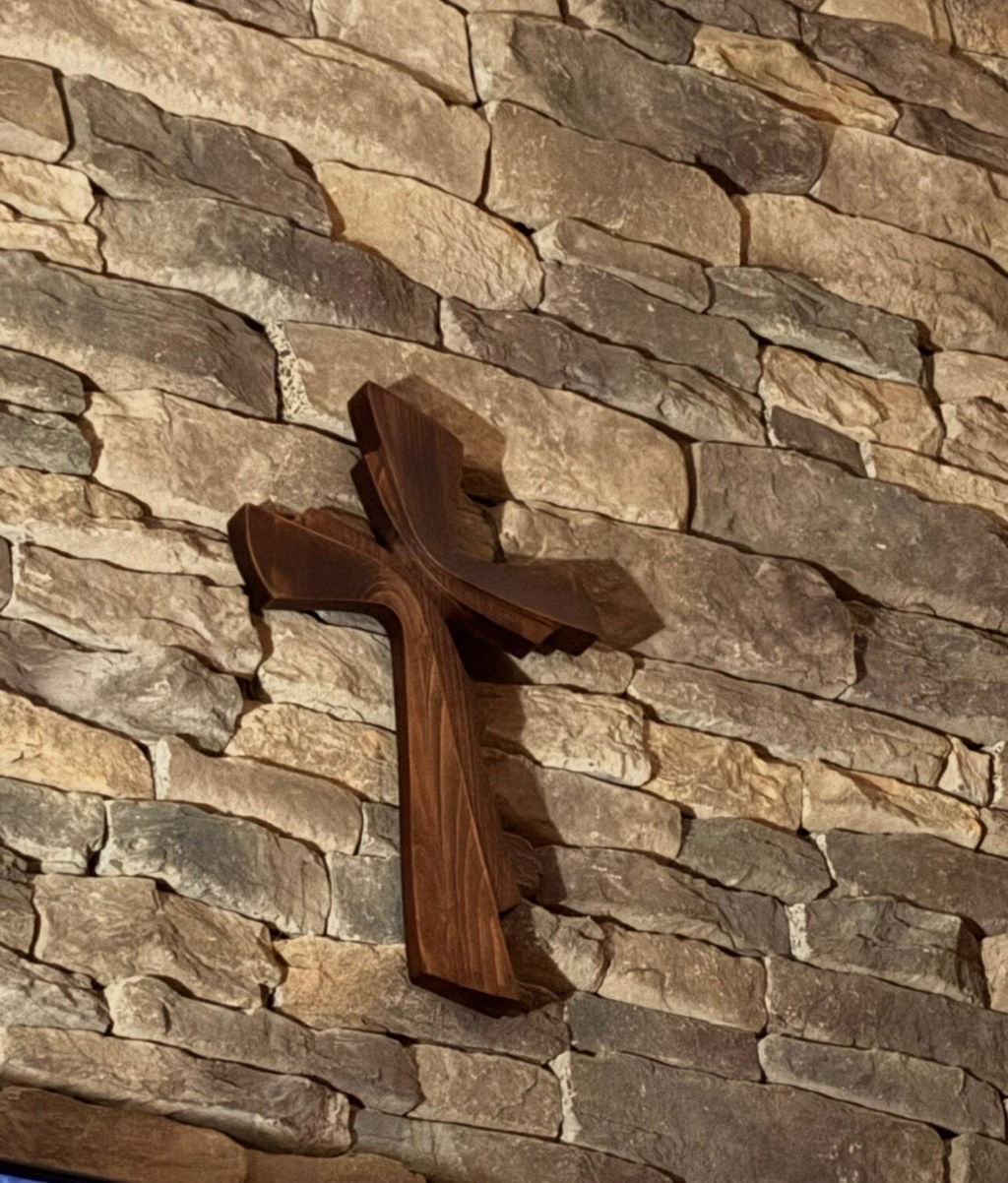
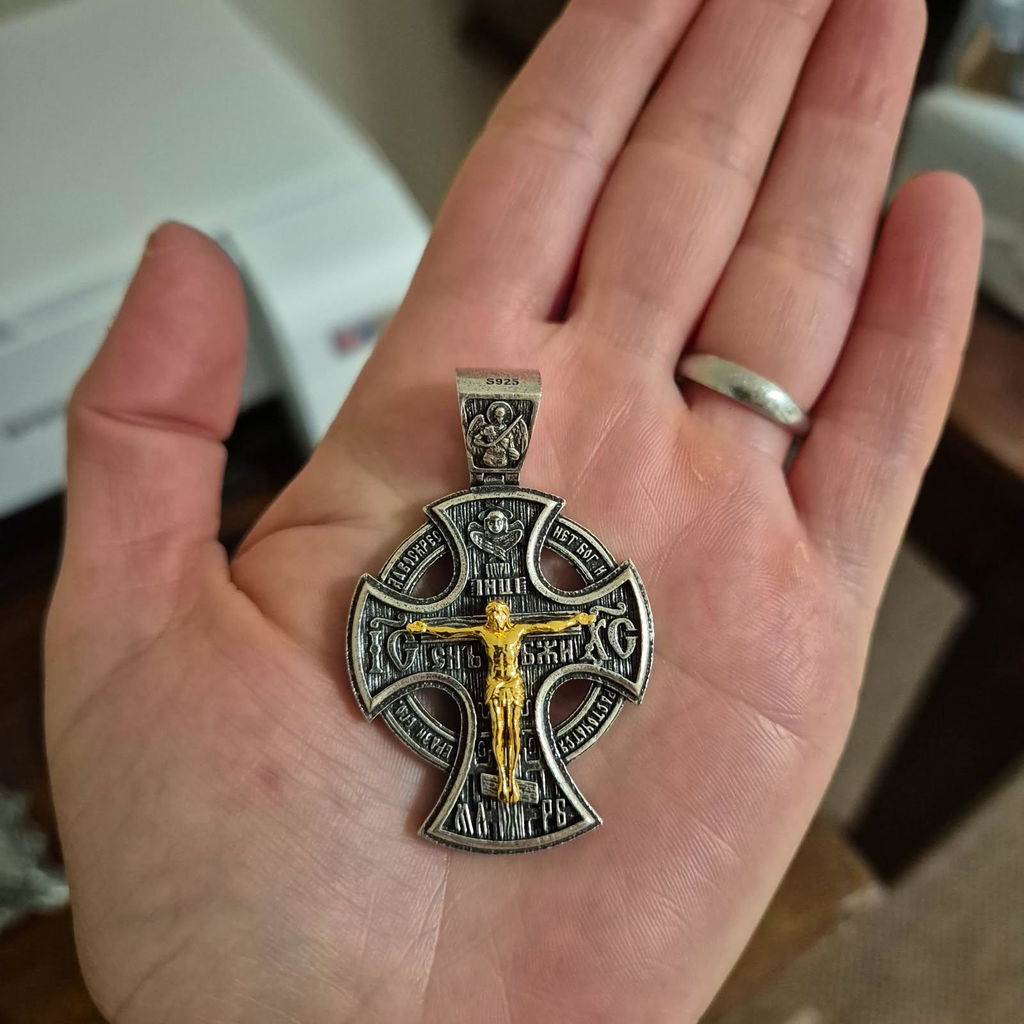
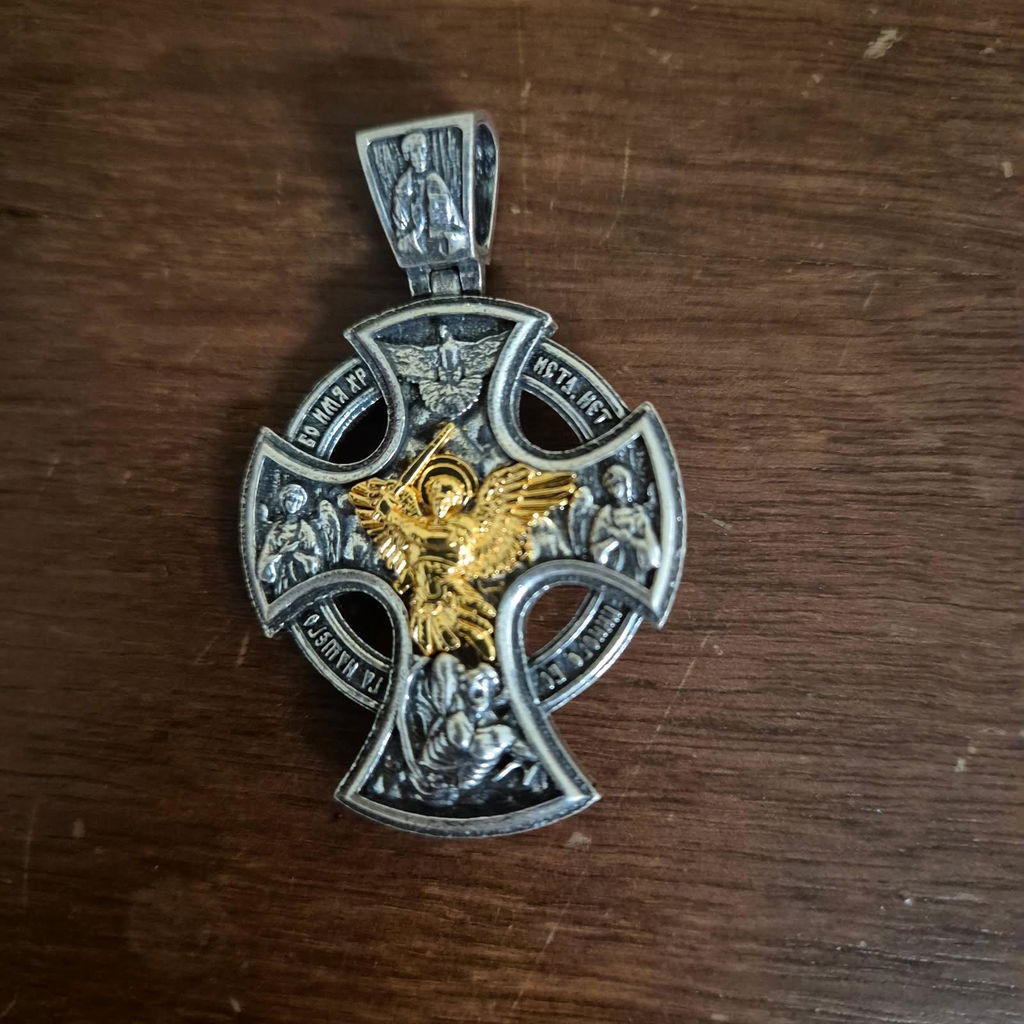
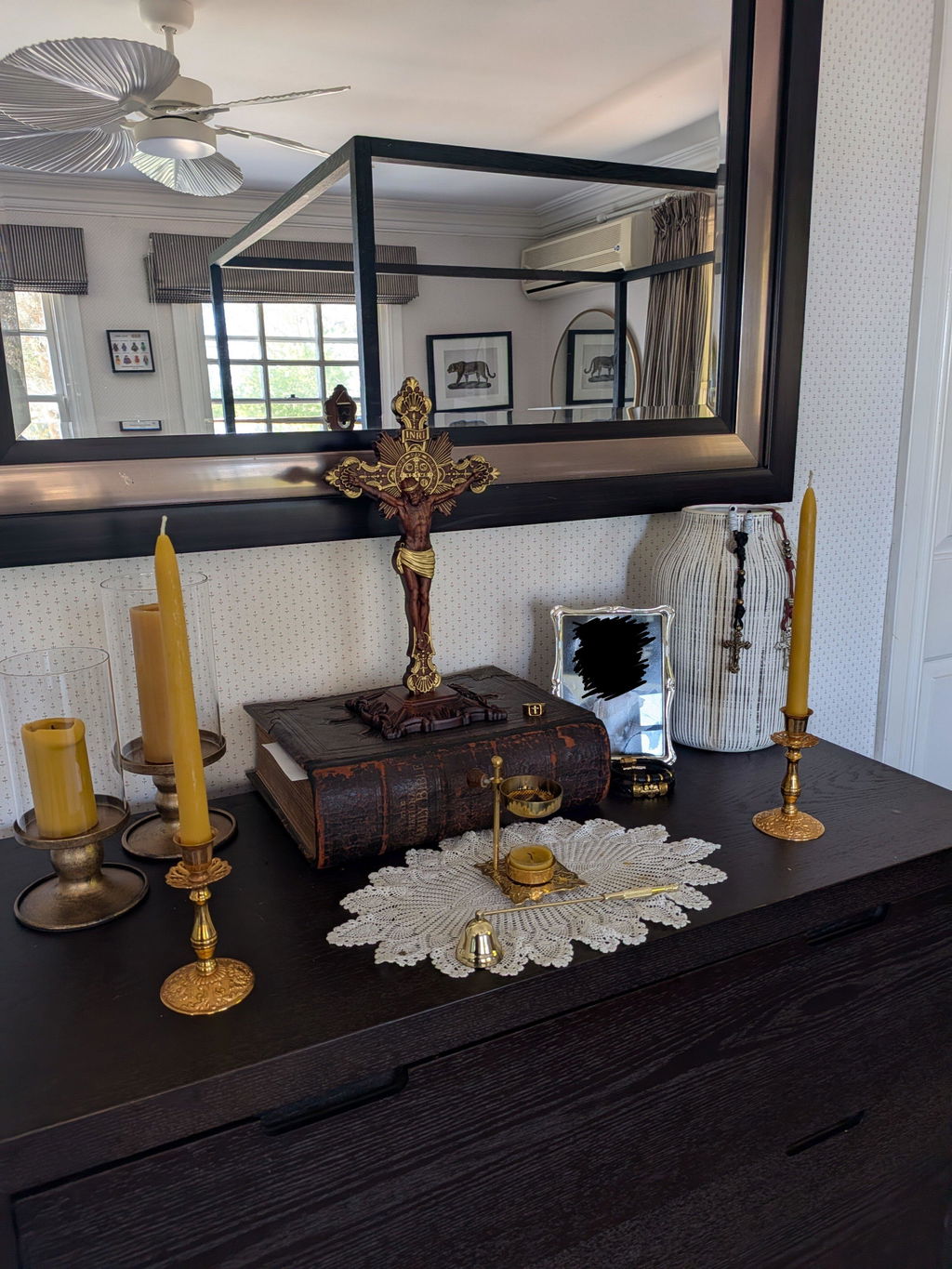
The Vintage Cross Tabletop Ornament Decorative Art offers one way to establish that visual center. Its freestanding tabletop format makes it suitable for a shelf, desk, mantel, or home altar. The product listing identifies the piece as alloy and presents it in gold, silver, and vintage-color options. That distinction matters: although it belongs to BGCOPPER’s broader Wood Carved collection, it should not be described as a wooden carving. Instead, it can be thoughtfully combined with carved wood, natural grain, linen, and other warm materials to create a layered devotional setting.
The Cross as a Daily Symbol
In Christian life, the cross carries more than one emotional note. It recalls suffering, but it also points toward redemption, faithfulness, and resurrection. In a Catholic home, a cross or crucifix may help define a place for familiar prayers, Scripture reading, the Rosary, or a few minutes of silence. In another Christian tradition, it may simply serve as a steady reminder to begin and end the day with gratitude.
Because a tabletop cross stands within ordinary domestic life, its meaning can unfold quietly. It may be seen while passing through a room, sitting down to read, or gathering with family. The object does not replace prayer or carry power on its own. Its value is as a visible prompt: pause, remember, and return attention to what matters. This restrained understanding also makes sacred decor feel at home rather than theatrical.

Pairing Sacred Art with the Warmth of Wood
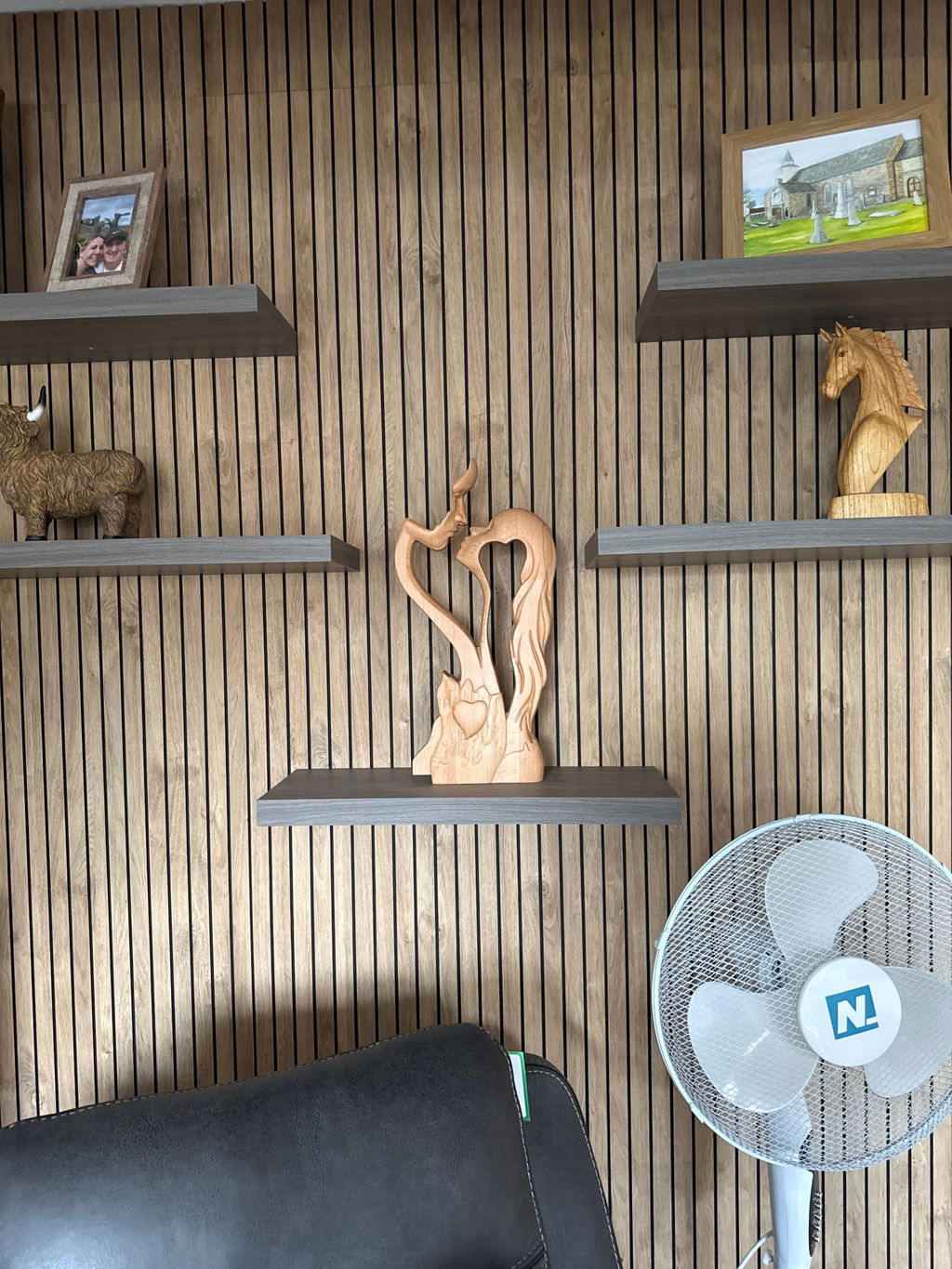
Wooden decor is especially well suited to prayer corners because natural grain introduces warmth without demanding attention. A carved wood panel, a modest wooden tray, a small shelf, or a simple frame can soften the cooler presence of a metal ornament. The contrast allows each material to remain honest: the alloy cross provides definition and an aged decorative character, while wood brings texture and a sense of the handmade.
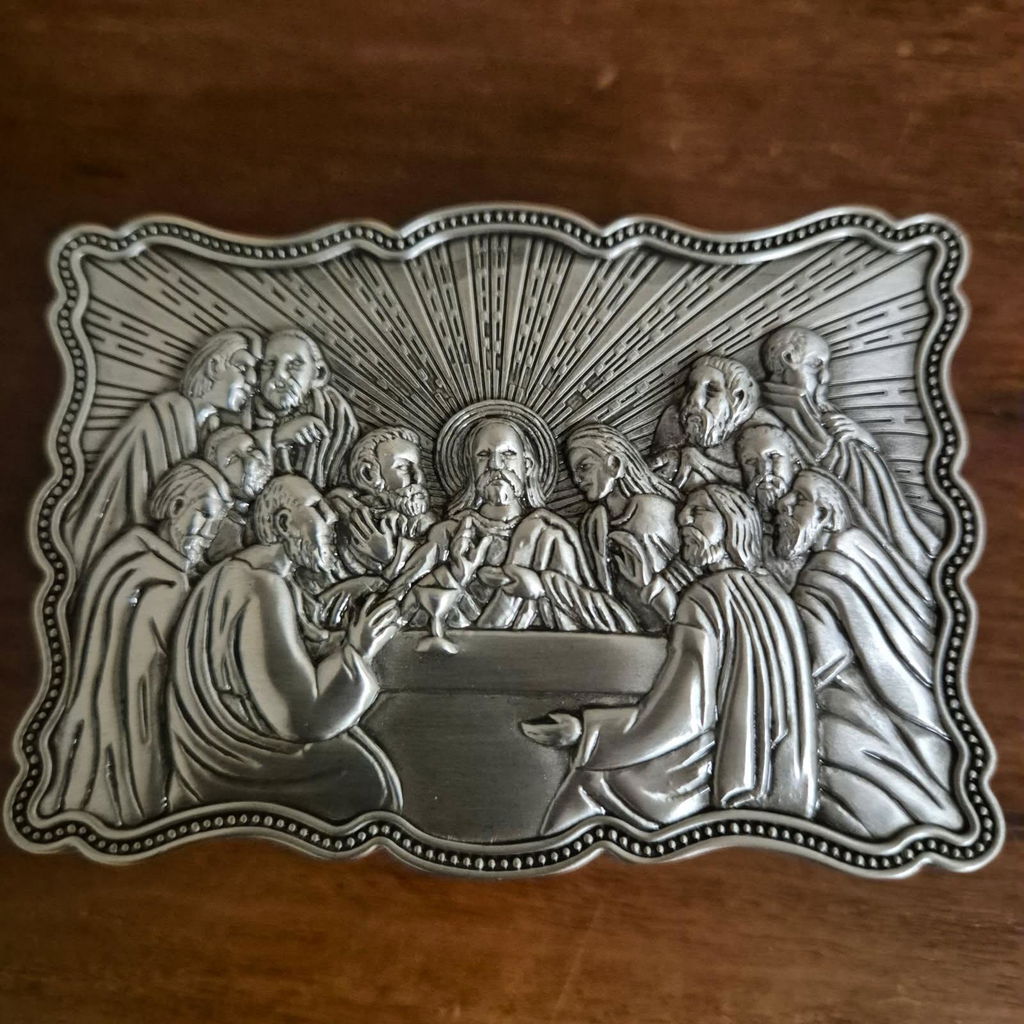
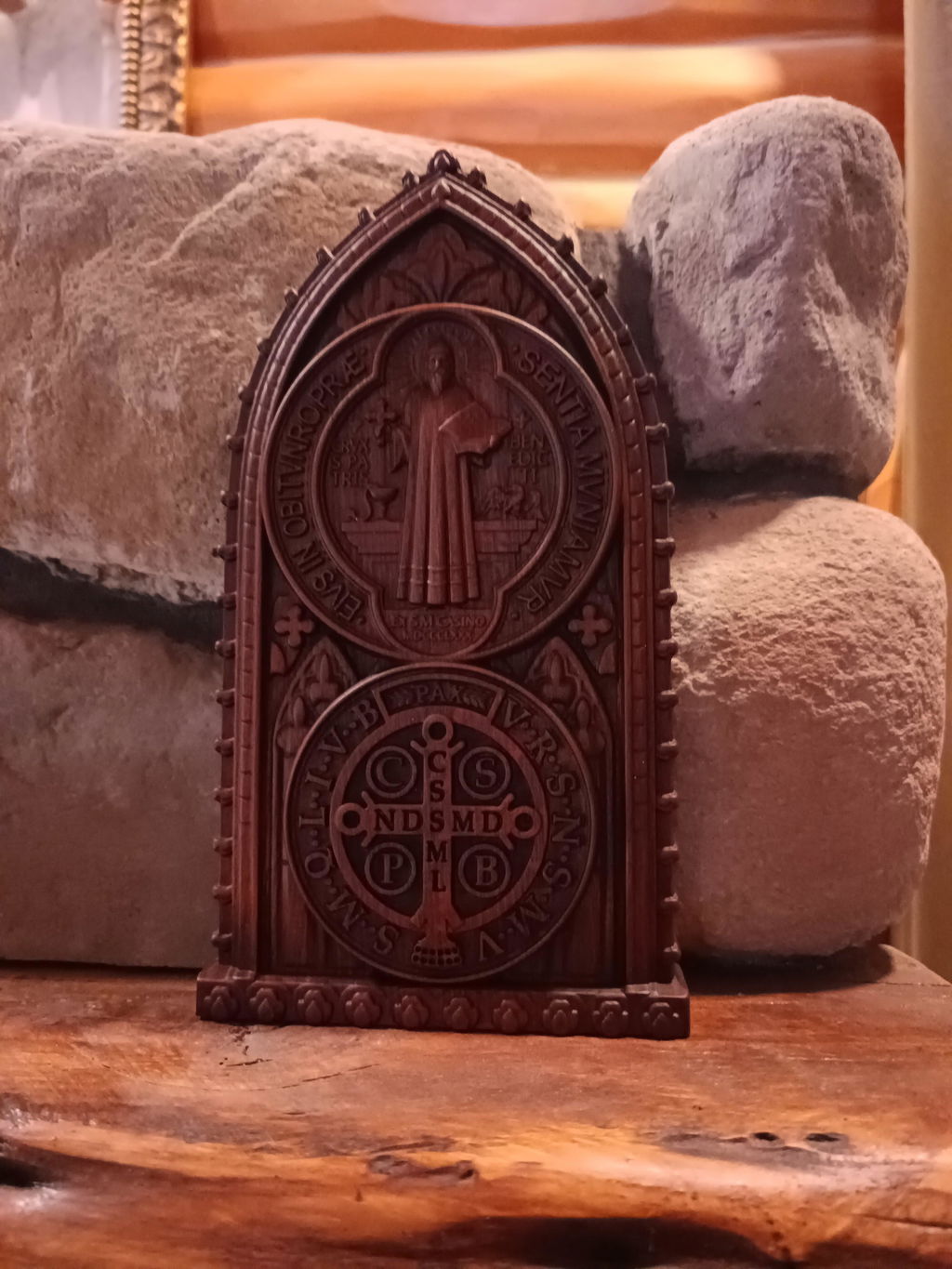
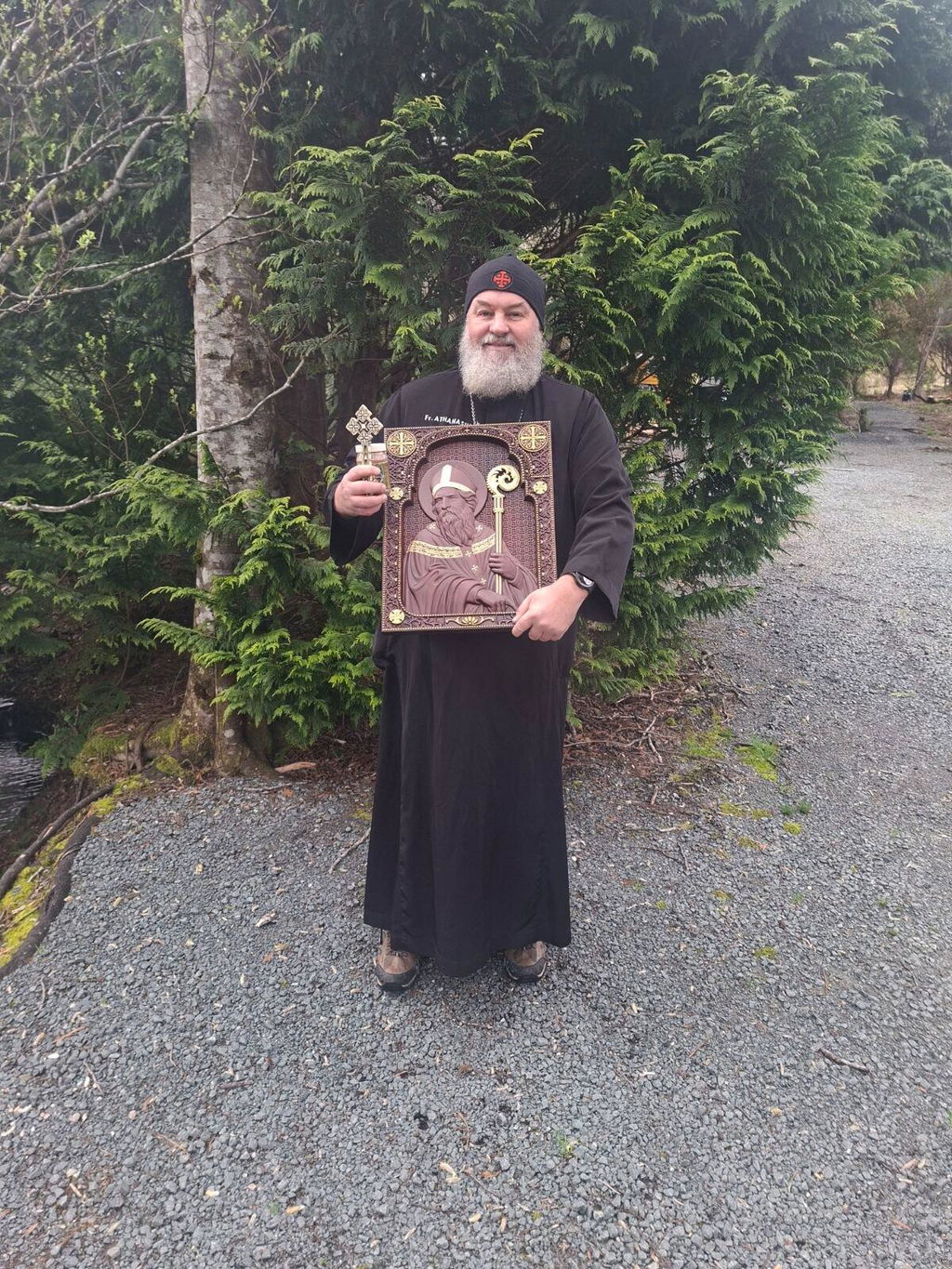
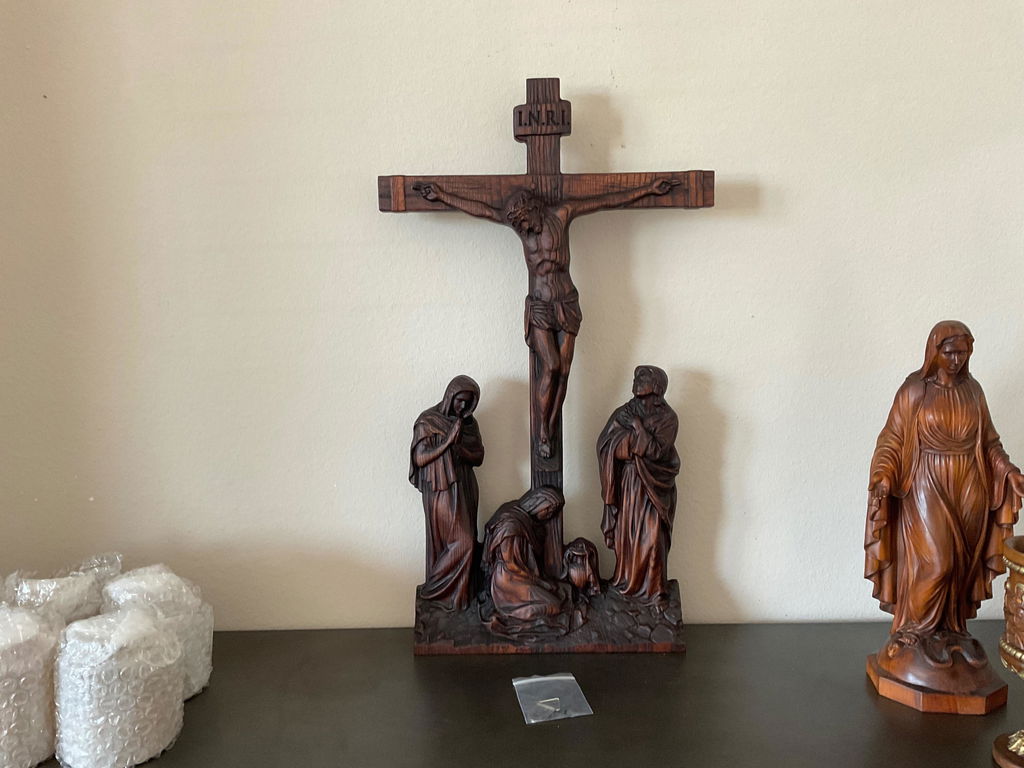
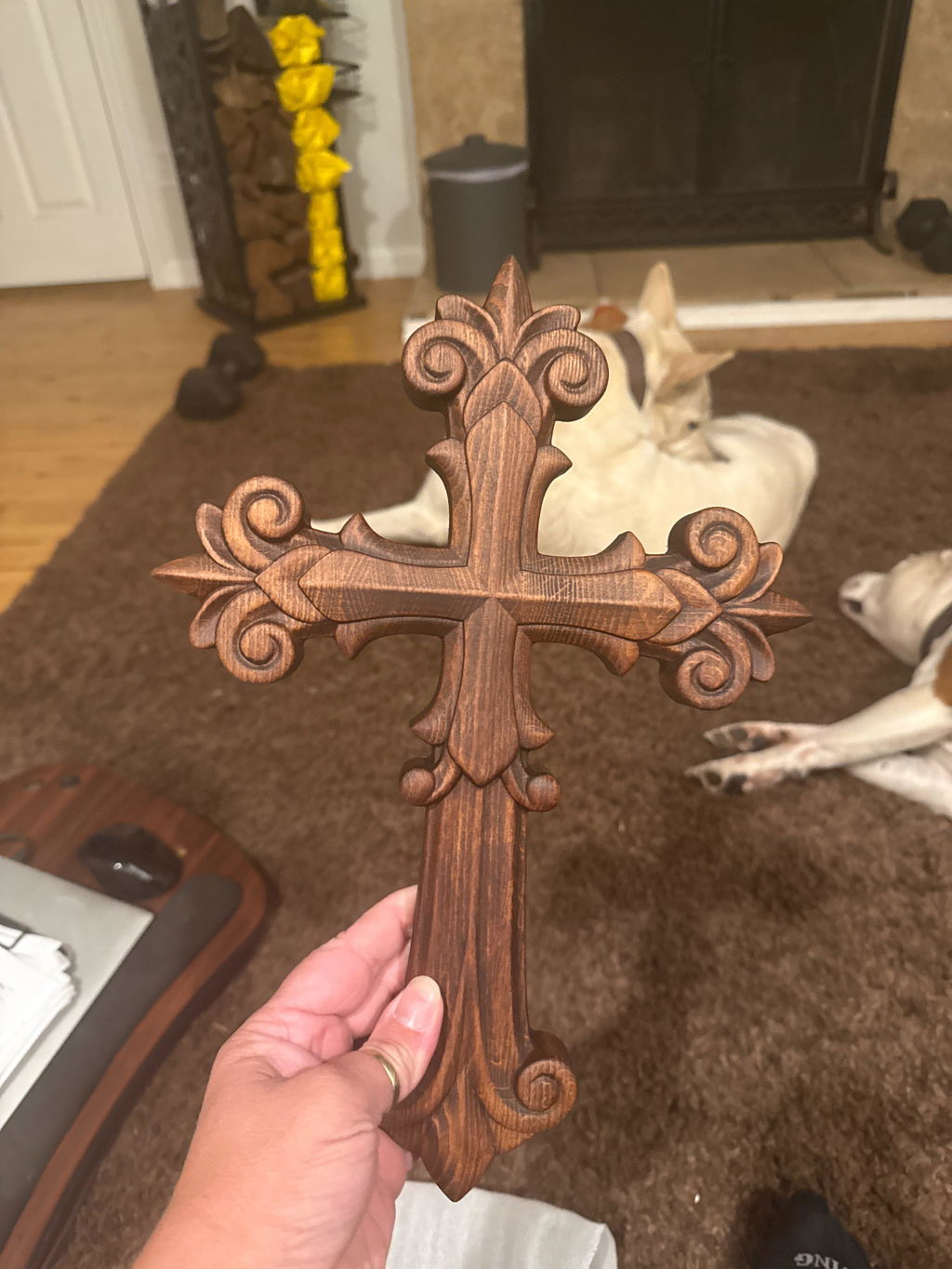
Christian wood carving also has a long domestic appeal. Carved crosses, biblical figures, and symbolic motifs can make faith visible through patient craft and tactile detail. Even when the central devotional piece is made from another material, placing it near wooden elements creates continuity with that tradition. The aim is not to fill every surface. One or two natural accents are often enough to give the space warmth and balance.
Consider color as well as material. Medium and dark woods can support a vintage palette, while pale wood creates a quieter, lighter setting. Linen, unglazed ceramic, and a book with a simple cover can complement either approach. If a candle is included, use it only where it can be supervised and kept safely away from books, fabric, and decorative objects.

How to Arrange a Small Prayer Corner
Begin by choosing a place with relatively few distractions. It might be beside a favorite chair, at the end of a hallway, or on a bedroom dresser. Set the cross near eye level when seated or standing at the chosen spot. Leave some open space around it so the composition feels calm rather than crowded.
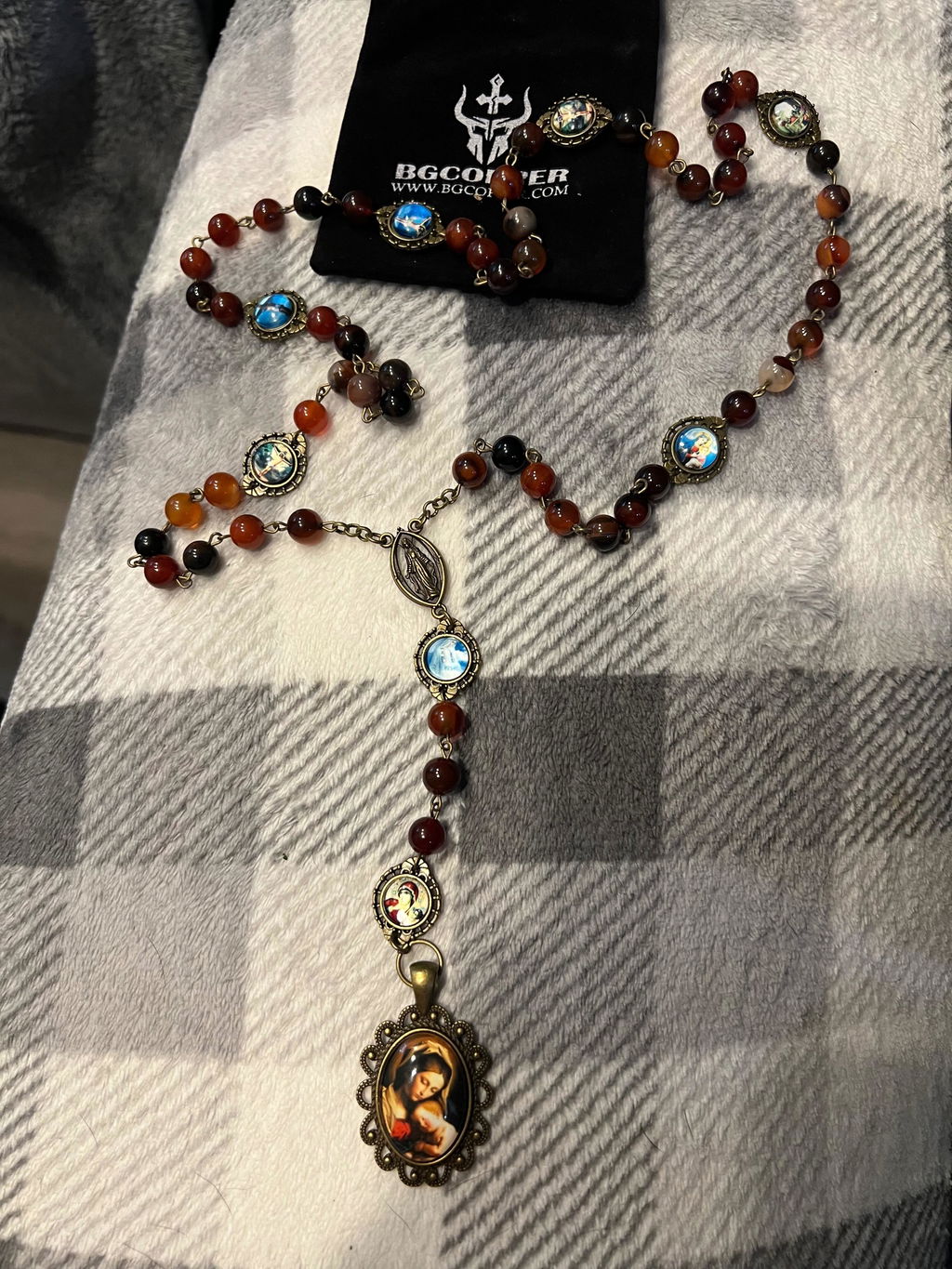
Add only objects that support the intended practice. A Bible, prayer book, Rosary, or journal may be useful. A piece of Christian wood carving can introduce sacred imagery and craftsmanship, while a small wooden box can hold prayer cards or written intentions. Families might include a photograph connected with someone for whom they are praying, but personal items should remain secondary to the devotional focus.
Lighting can change the atmosphere more than additional ornament. Gentle daylight is ideal when available. In the evening, a nearby lamp with warm light can make wood grain and vintage finishes feel more welcoming. The goal is not to stage a perfect interior image; it is to create a place that invites regular use. A prayer corner that is simple enough to maintain is more likely to remain part of daily life.
A Thoughtful Faith-Inspired Gift
Sacred home decor can be meaningful for occasions that mark a new beginning or renewed commitment: a housewarming, wedding, baptismal anniversary, confirmation, or the establishment of a first prayer space. A cross can also be given without attaching it to a major event, especially when someone is seeking comfort or returning to a steady devotional rhythm.
When choosing a faith-inspired gift, consider the recipient’s tradition and home rather than assuming one style suits everyone. Some people appreciate detailed vintage ornament, while others prefer restrained forms. It is also wise to present the gift with modest language. A short handwritten note about prayer, hope, or shared faith can carry more meaning than an exaggerated claim about what the object will accomplish.

Caring for a Devotional Display
Keep the arrangement clean and uncluttered so that it remains inviting. Dust the cross gently and follow the care guidance appropriate to its listed alloy material and finish. Avoid harsh chemicals or prolonged moisture. Wooden companions may need different care, so treat each material according to its own requirements rather than cleaning the entire display in the same way.
It can also be helpful to revisit the arrangement as seasons and prayer habits change. During Advent or Lent, a different cloth or a small seasonal symbol may be appropriate. At other times, reducing the display to the cross and a prayer book can restore visual quiet. Sacred spaces at home are not static exhibits; they can respond gently to the rhythms of worship and family life.
A Quiet Center for the Home
The most meaningful prayer corner is not necessarily the most decorated one. Its purpose is to make room for attention, remembrance, and prayer. A vintage tabletop cross, set against the warmth of wooden decor or alongside a carefully chosen carving, can help establish that center with dignity.
For readers considering the BGCOPPER piece, the full product page provides images and the listed material, dimensions, finish options, and other details. Reviewing those facts before choosing a place for it helps ensure that the object fits both the physical setting and the devotional intention. From there, simplicity, honest materials, and regular use can turn a small corner of the home into a steady invitation to pause.