The Garden of Gethsemane at Home: A Wood Carving for Prayer and Reflection
A Christian home does not need to feel like a formal chapel in order to make room for prayer. Sometimes a single image, placed with care, is enough to slow the eye and quiet the mind. The Garden of Gethsemane is especially suited to this kind of reflection. It is a scene of solitude, honest sorrow, faithful prayer, and willing trust. Rendered as a wood carving, it can bring that deeply human biblical moment into the everyday setting of a home.
The Jesus Hill Garden Prayer Plaque Wood Carving from BGCOPPER depicts Jesus praying in Gethsemane. Rather than treating the scene merely as decoration, it can be understood as devotional art: a visible invitation to pause, remember the Gospel narrative, and return to prayer during both peaceful and difficult seasons.

Why the Garden of Gethsemane Still Speaks to Christian Homes
In the Gospel accounts, Gethsemane stands between the Last Supper and the arrest of Jesus. Christ withdraws to pray while his disciples struggle to remain watchful. His words in Matthew 26:39—“Yet not as I will, but as you will”—express neither easy optimism nor emotional distance. They reveal prayer offered in anguish and trust held in tension.
For Christian and Catholic readers, this scene carries several layers of meaning. It recalls Christ’s obedience, the reality of suffering, and the importance of bringing fear and sorrow honestly before God. It also gives shape to the practice of watchfulness. Prayer is not presented as an escape from difficulty, but as a faithful way of meeting it. A Gethsemane image in the home may therefore become a gentle reminder that vulnerability and faith are not opposites.
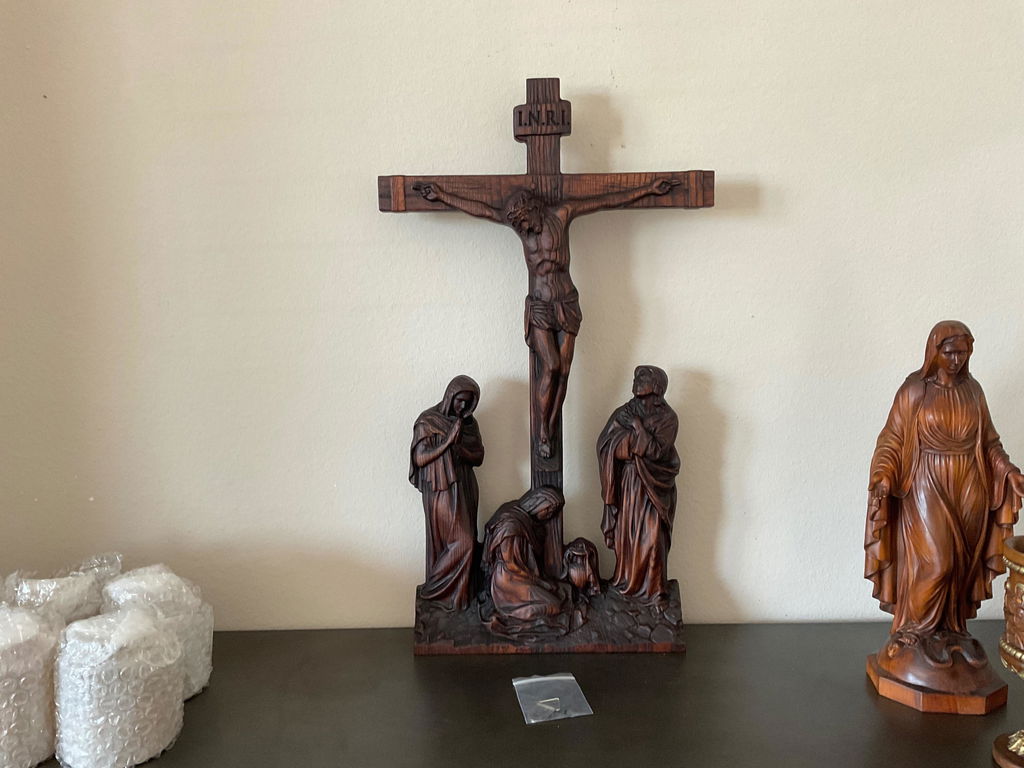
The plaque need not be treated as an object with power of its own. Its role is more modest and more familiar within Christian visual tradition: it directs attention beyond itself. Like a cross, sacred print, or icon-inspired image, it can help the viewer remember a biblical event and enter a more attentive frame of mind.
The Quiet Warmth of Carved Wood
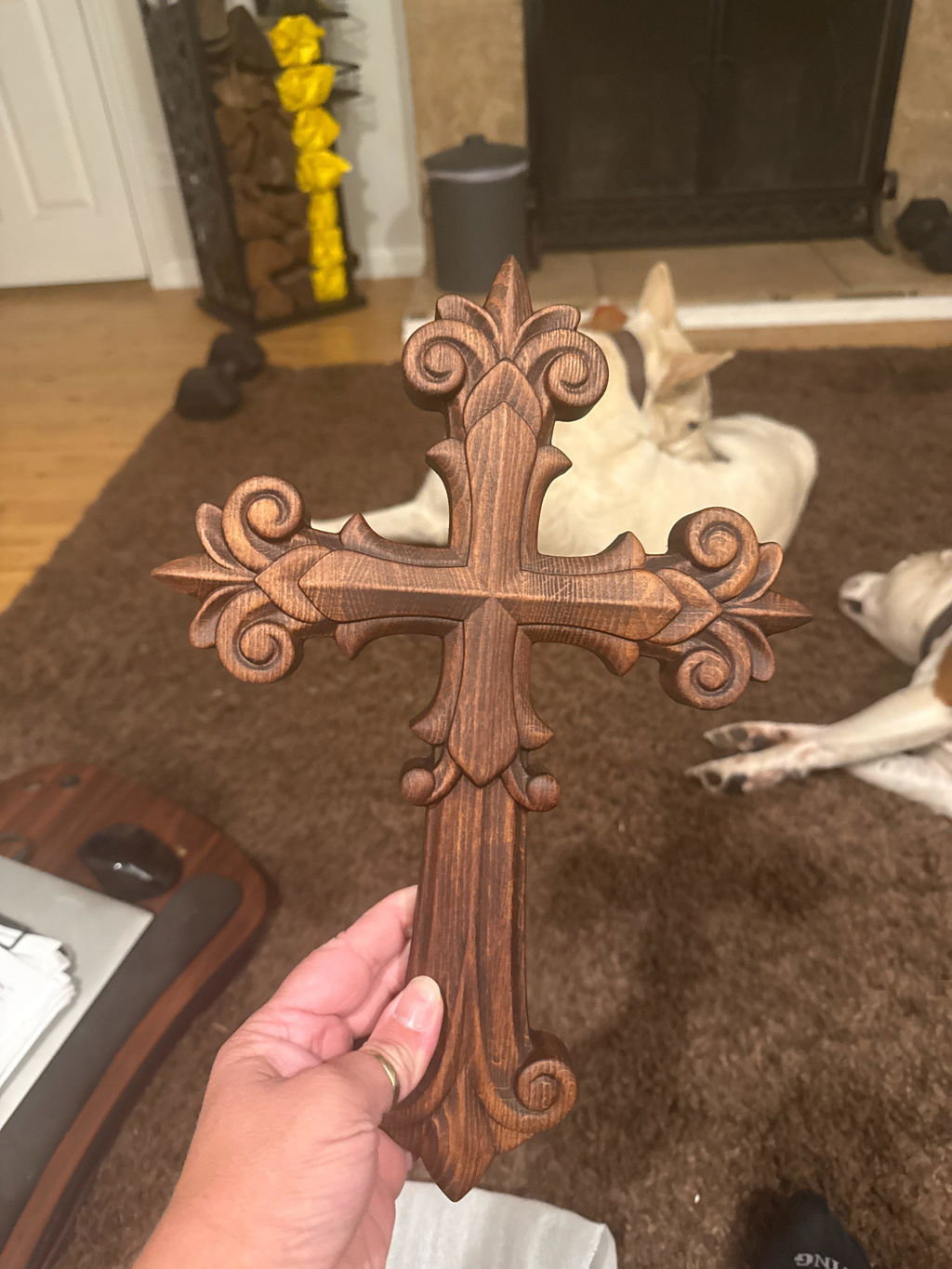
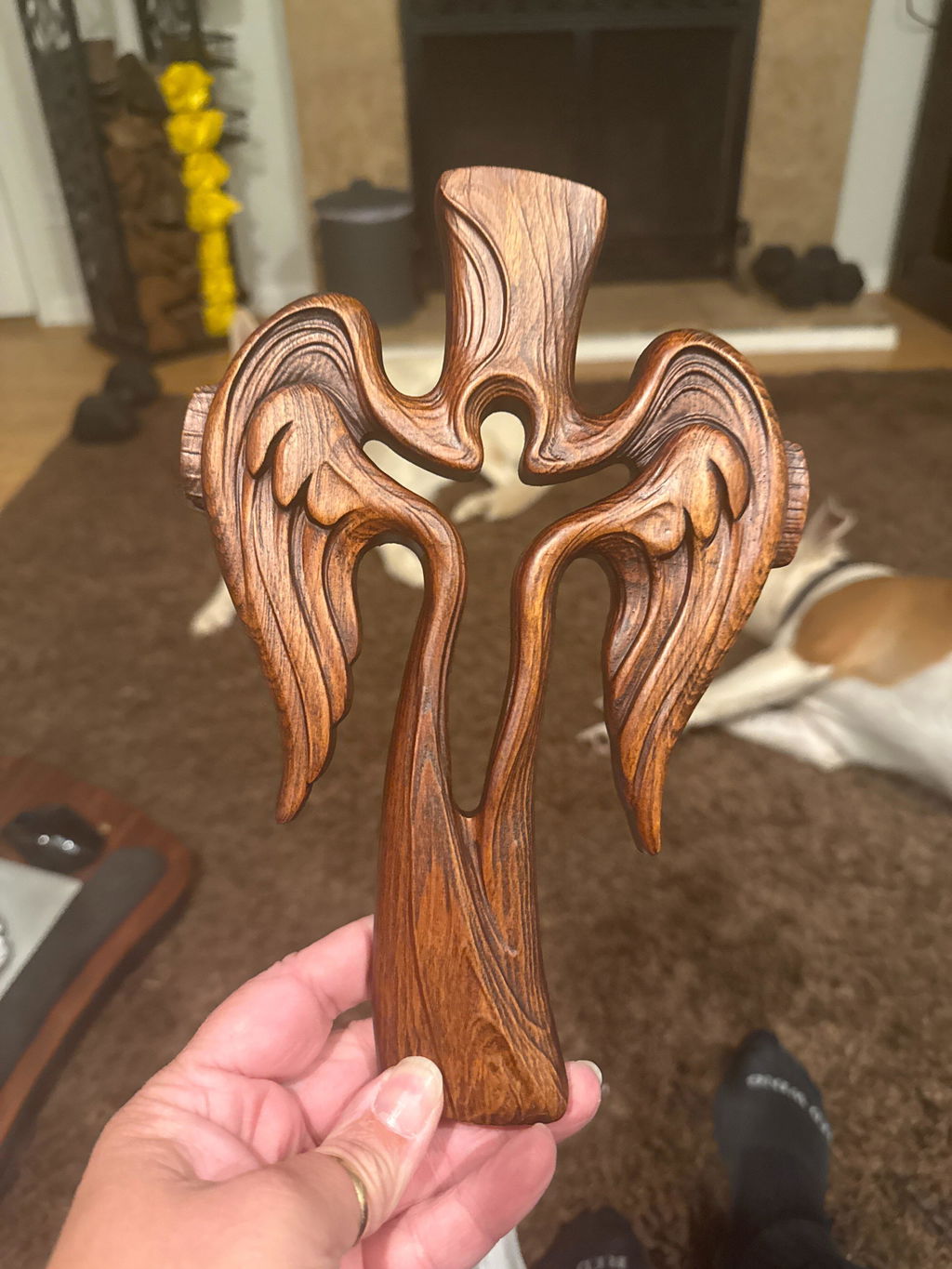
Wood has a particular visual warmth that works naturally in reflective spaces. Grain, carved contours, and changes of light across a relief give the surface a living, tactile character. Unlike a glossy screen or a quickly changing image, carved wood asks to be viewed slowly. Shadows settle into recessed details, while raised forms become more visible as daylight shifts through the room.
This material quality is especially fitting for the Gethsemane narrative. The garden setting, the stillness of the night, and the physical posture of prayer all benefit from a medium associated with the natural world. The product information describes this plaque as hand-carved and hand-finished in solid beech wood. That craft process can give devotional decor a sense of human touch without distracting from the scene itself.

Small variations are part of the appeal of handcrafted wood decor. The goal is not mechanical perfection but a coherent image shaped through patient work. In a modern interior filled with smooth surfaces and electronic devices, a carved plaque can introduce texture and calm. It can also sit comfortably with traditional Catholic home decor, simple farmhouse rooms, or restrained contemporary spaces.
Creating a Prayer Corner Without Overcomplicating It
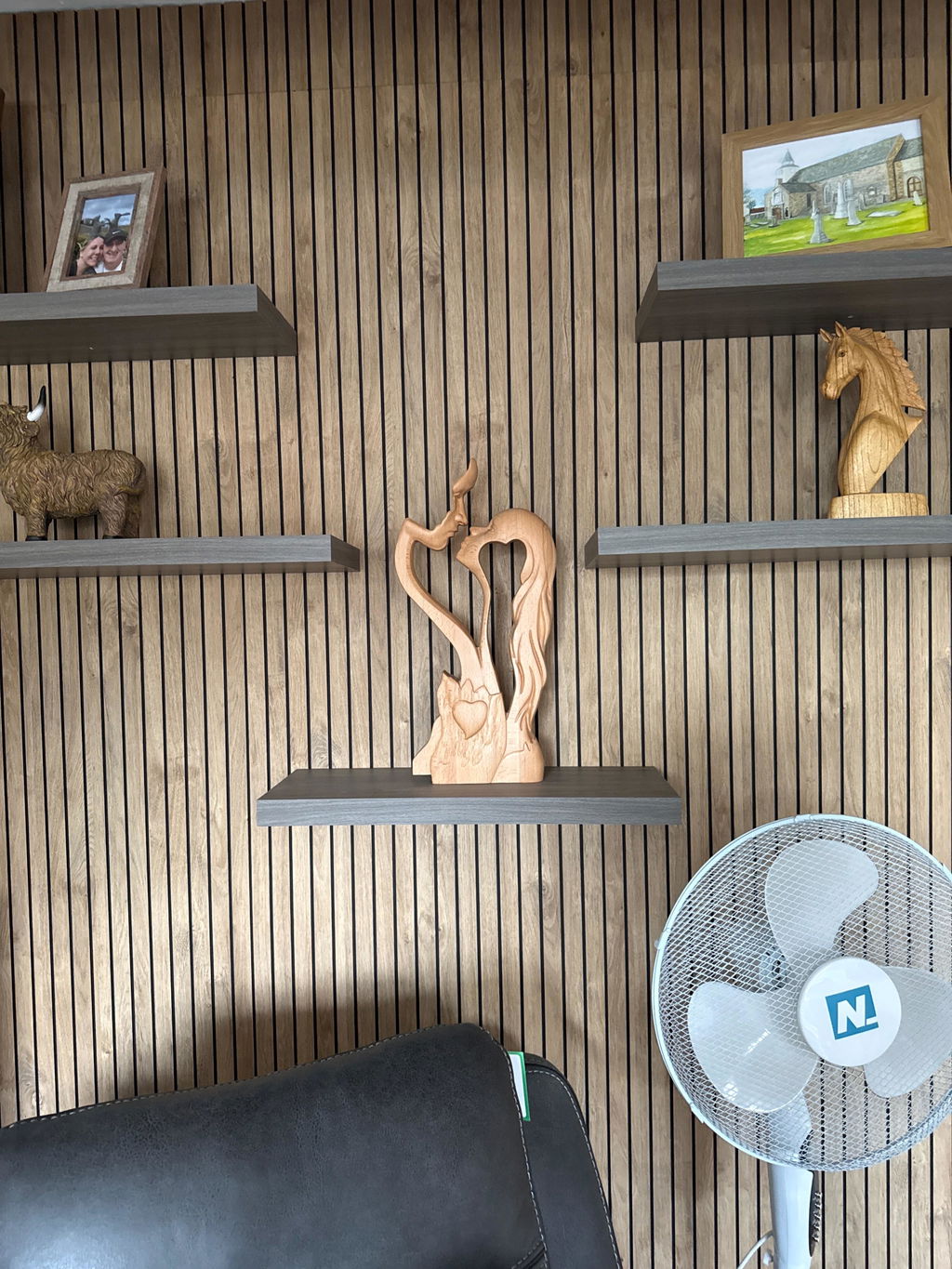
A home prayer corner can be simple. Begin with a place where you can pause without creating an obstacle to normal household life: a quiet wall, the top of a small cabinet, a desk area, or a shelf near a chair. The purpose is not to stage an elaborate display, but to establish a consistent place for attention.
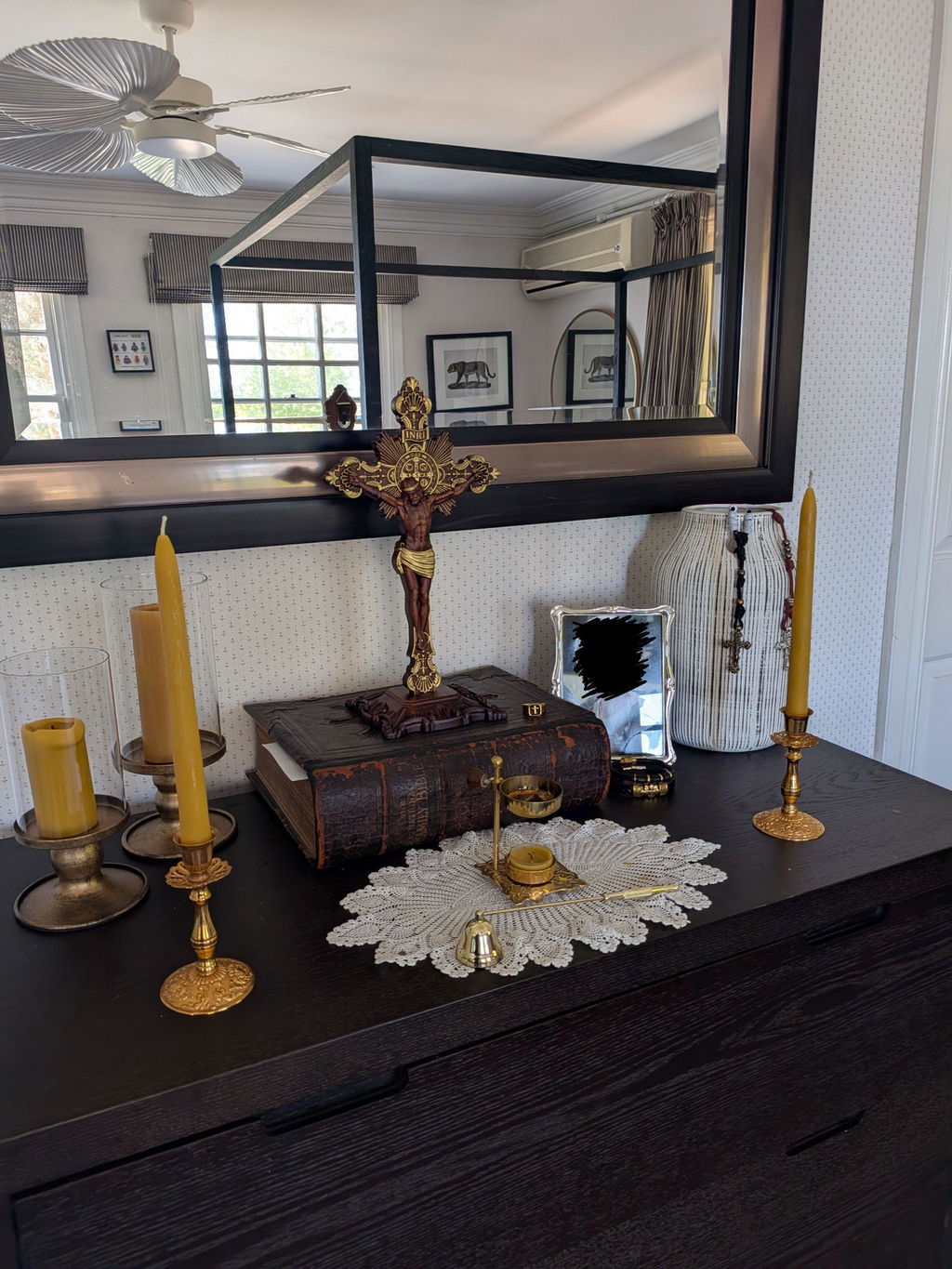
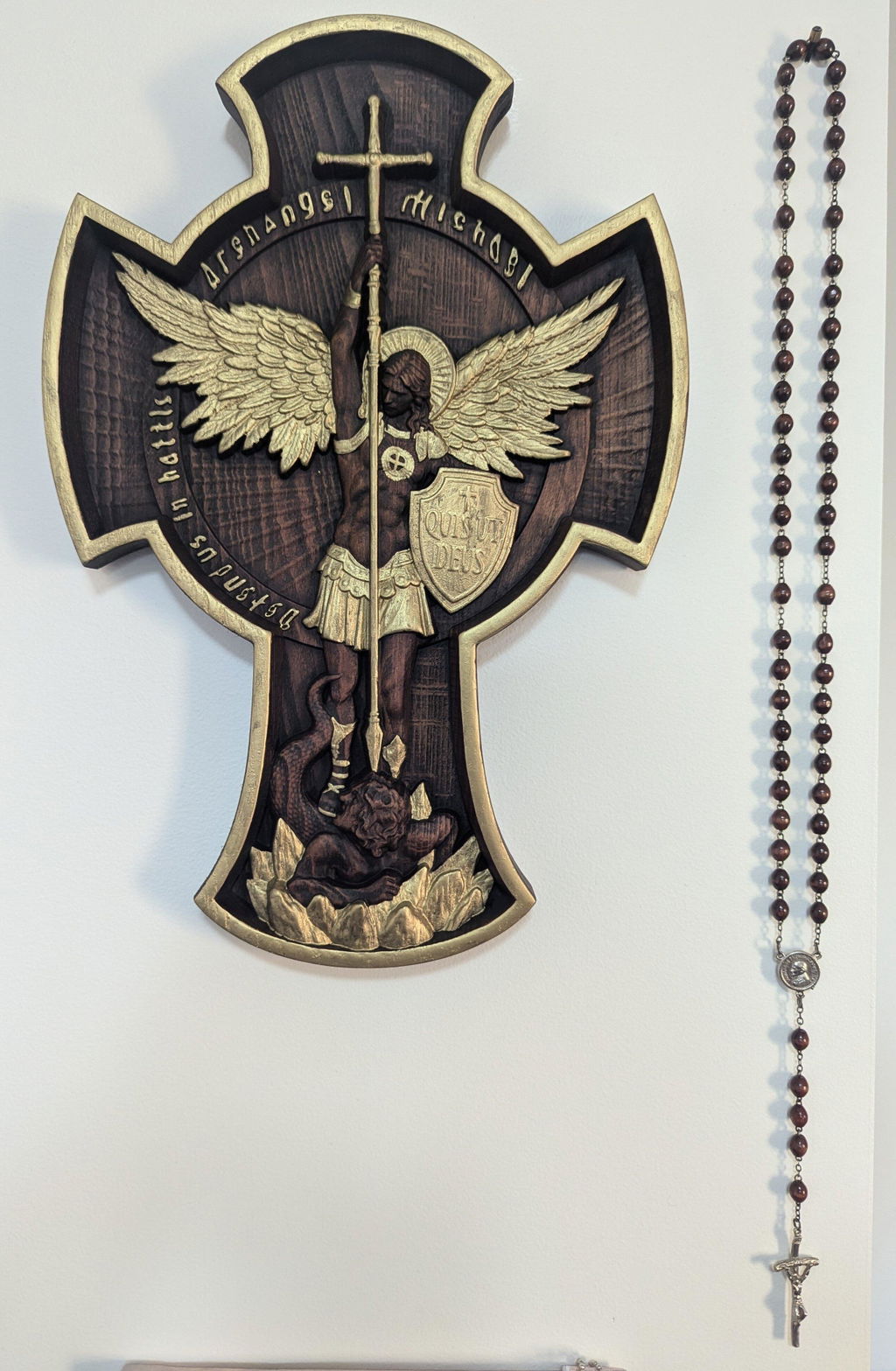
The Gethsemane prayer plaque can serve as the visual center. Around it, consider only a few elements that support your own practice: a Bible, a prayer book, a rosary, a candle used safely, or a small cloth in a subdued color. Leaving open space around the carving helps the image remain legible and prevents the corner from feeling crowded.
Lighting matters as well. Soft daylight can reveal the relief of carved wood, while a nearby lamp can make the space usable in the early morning or evening. Avoid prolonged harsh sunlight and damp areas, and follow the product’s care guidance by dusting gently with a soft, dry cloth. A devotional corner should be easy to maintain so that it remains part of daily life rather than becoming another demanding project.
Families may also use the image as a starting point for shared reflection during Holy Week. A parent might briefly retell the Gethsemane story, read a Gospel passage, or ask what Christ’s prayer teaches about courage and trust. Adults living alone can use the same setting for silent prayer, an examination of the day, or intercession for someone passing through a difficult time.
A Meaningful Gift for Seasons of Faith and Change
Faith-inspired gifts are often most meaningful when they acknowledge a person’s spiritual life rather than simply filling an empty space. A Christian wood carving can be appropriate for a housewarming, confirmation, ordination, wedding, or the creation of a first home prayer area. The Gethsemane theme may also resonate with someone who values contemplative prayer or who is moving through a demanding season.
Such a gift is best offered gently. It does not need to carry a promise that hardship will disappear. Instead, it can communicate companionship: a reminder that the Christian story makes room for sorrow, prayer, endurance, and trust. A short handwritten note explaining why the scene made you think of the recipient can give the gift personal context without making it feel overly formal.

Living with an Image of Watchful Prayer
Religious home decor is most valuable when it supports the rhythms already present in a household. Over time, an image may become associated with morning prayer, the Rosary, Scripture reading, or a few quiet minutes before sleep. The Gethsemane scene is particularly helpful because it does not deny weariness. It asks for watchfulness while recognizing how difficult watchfulness can be.
Placed in a prayer corner, hallway, bedroom, office, or family gathering space, this wooden carving can provide a steady visual pause. Its meaning does not depend on constant attention. Even when noticed only briefly, it can call to mind Christ at prayer and the invitation to respond to uncertainty with honesty, patience, and trust.
The beauty of a devotional object often lies in this restrained role. It does not replace Scripture, worship, or personal prayer. It simply helps make remembrance visible. For those drawn to Christian wood carving and Catholic home decor, the Garden of Gethsemane offers a thoughtful subject—one that joins natural material, careful craft, and a Gospel scene of profound surrender.