When Christ Reaches Down: A Wood-Carved Cross for Prayer and Hope
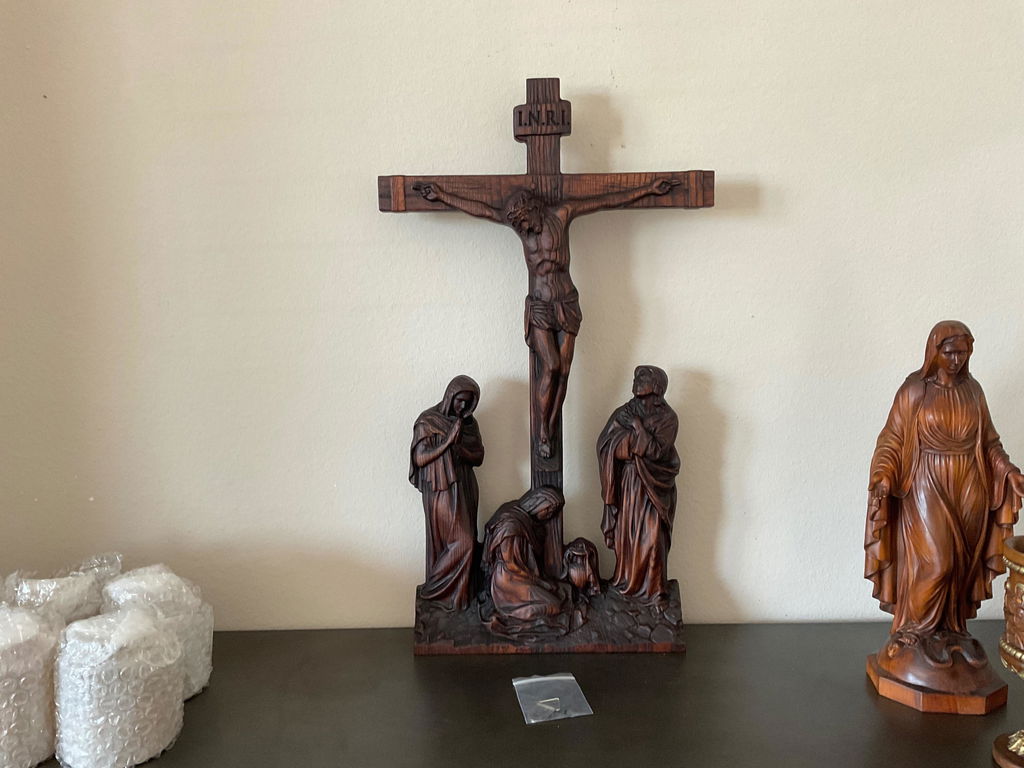
Some sacred images speak through stillness. They do not need to dominate a room or explain every detail; instead, they invite us to pause. The scene in the Christ Still Reaches Down hand-carved Savior cross does exactly that. Christ bends toward a figure reaching upward, while the cross remains present within the composition. The image gives visual form to a deeply human prayer: when strength feels small, grace is not necessarily far away.
This beechwood carving is a contemporary devotional image rather than a literal illustration of one particular Gospel moment. That distinction makes room for personal reflection. One viewer may see a meditation on mercy, another may think of perseverance through grief, and another may remember the Christian hope that suffering never has the final word. Its purpose is not to replace prayer, Scripture, or sacramental life, but to create a gentle point of attention that can lead the mind back toward Christ.

A Christian Image of Mercy and Response
The downward and upward gestures give this carved wood cross its emotional clarity. Christ reaches down rather than remaining distant, while the other figure reaches up in trust. Together, these movements suggest a relationship: divine mercy offered and the human heart responding. Christians may connect the scene with biblical language about God drawing people from deep waters, yet the image is broad enough to accompany many forms of prayer.
The cross behind the figures keeps the scene centered on the Paschal mystery—Christ's self-giving love, death, and Resurrection. It is worth approaching this symbolism with care. A devotional object is not a promise that hardship will disappear, nor is it a magical source of protection. Rather, it can serve as a visible reminder to bring fear, sorrow, repentance, and gratitude into prayer. In a Catholic home, that reminder can quietly support the rhythm of daily faith.
Why Carved Wood Feels at Home in a Sacred Space
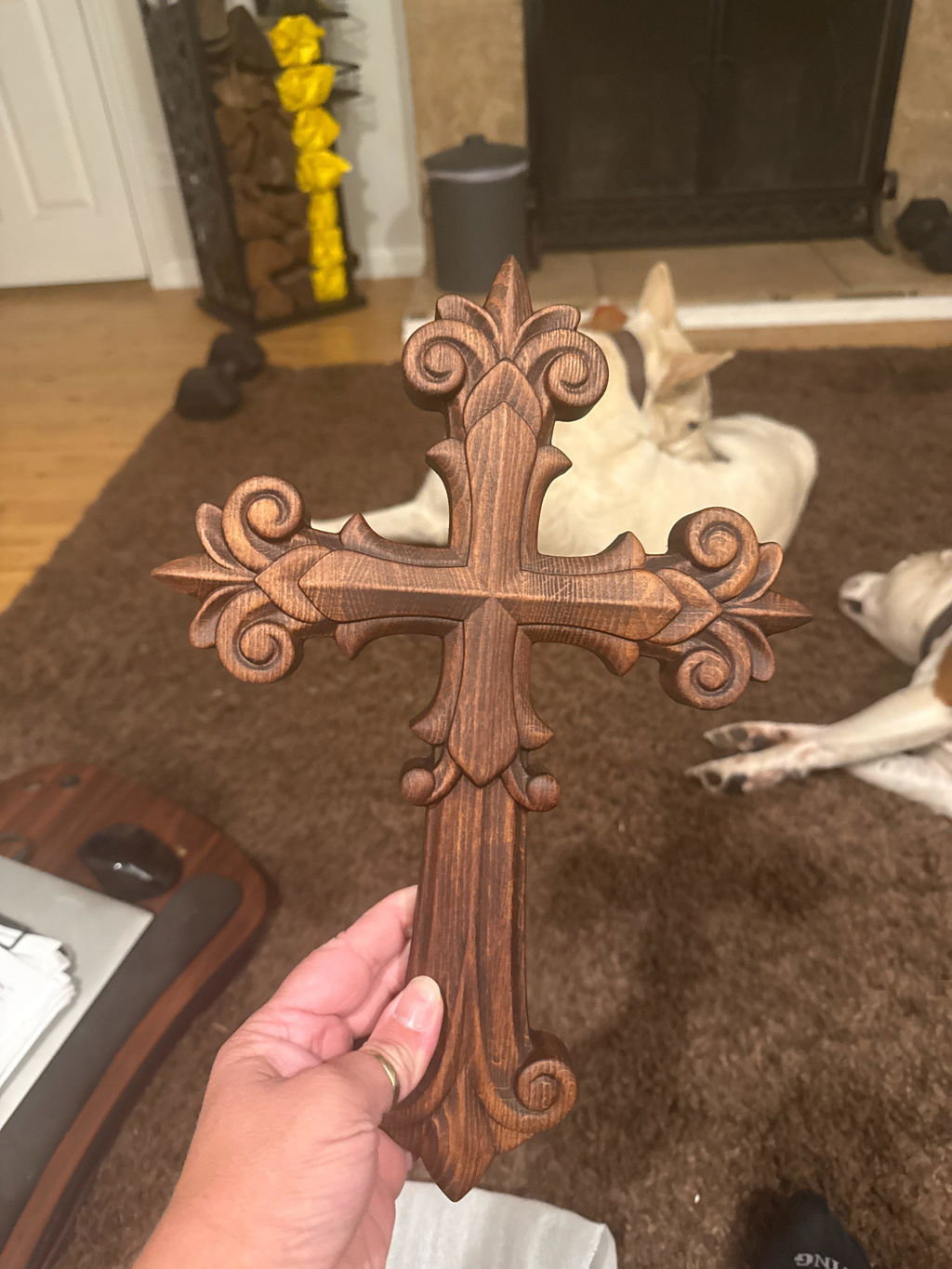
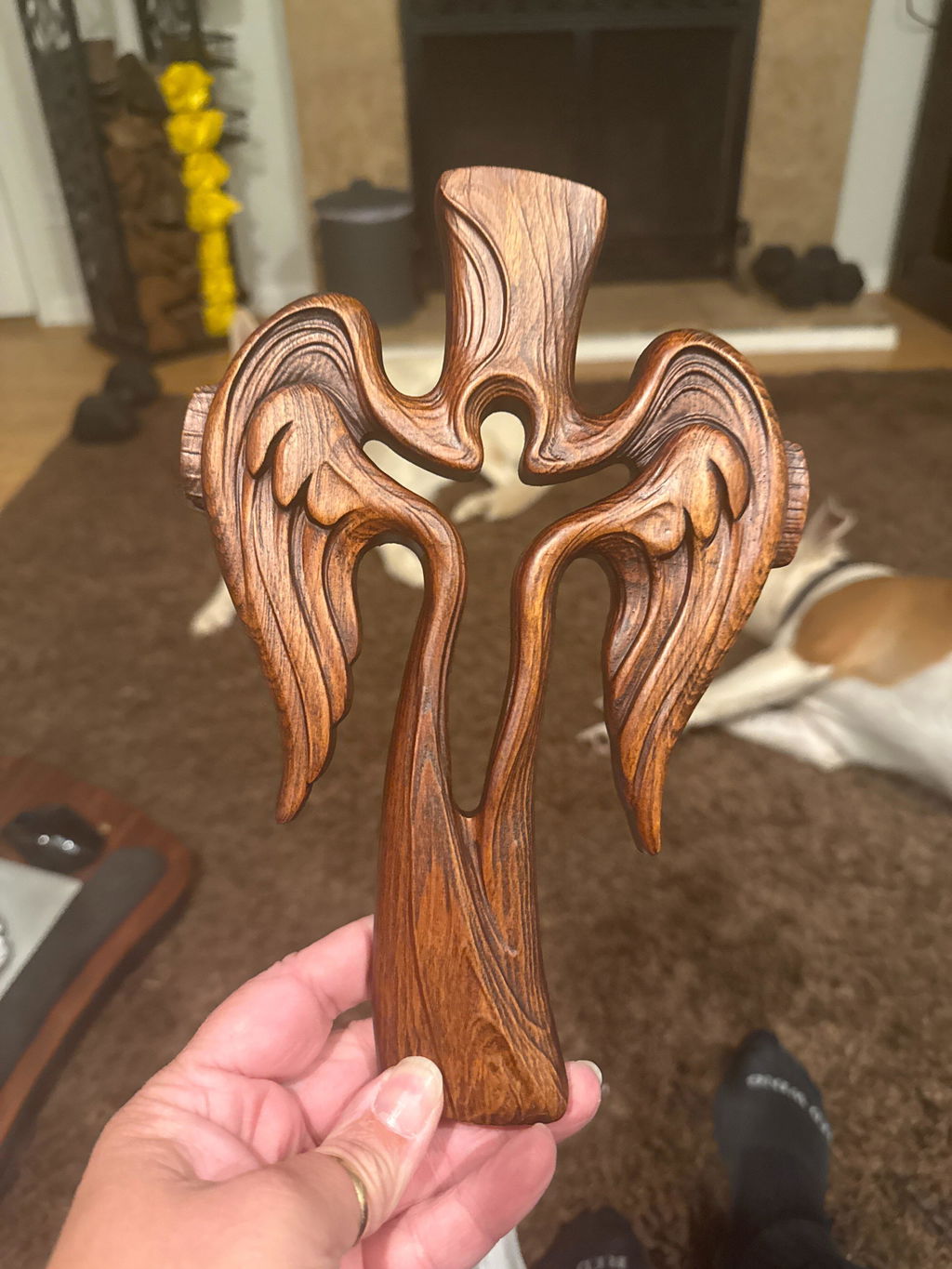
Wood has a natural warmth that works especially well in contemplative interiors. Unlike a highly polished or industrial surface, visible grain carries subtle variation. It reminds us that natural materials are not perfectly uniform. The product information identifies this piece as solid beechwood, hand-carved and hand-finished, with relief details that shape the hands, clothing, water, and surrounding textures. Those physical layers encourage slow looking: light gathers differently across the carving as the day changes.
The craft also suits the subject. Carving requires material to be patiently removed so that form can emerge. Without turning the process into a theological claim, it offers a useful metaphor for the interior life. Prayer often involves making space—setting aside noise, haste, and distraction so that what matters becomes clearer. A wood-carved Christian cross can support that kind of attention precisely because it feels grounded, tactile, and quiet.

Creating a Simple Prayer Corner at Home
A home prayer corner does not need to be elaborate. A small shelf, bedside surface, desk, or quiet section of a family room may be enough. Begin with a location where you can pause without turning prayer into another complicated task. A Bible, prayer book, rosary, candle used safely, or small vase of seasonal flowers can accompany a cross, but empty space is valuable too. The goal is not to assemble a display for its own sake; it is to make returning to prayer a little more intentional.
This Savior cross is offered in wall-display and freestanding versions, depending on the selected option. That flexibility allows the image to work in different settings. A wall placement can establish a calm visual center above a narrow shelf. A version with a wooden base can sit beside Scripture on a prayer table or move between rooms as family needs change. In either case, leave enough visual breathing room for the carved scene to remain legible.
Color and texture can keep the setting peaceful. Natural linen, warm neutral walls, earthenware, and unfinished or softly finished wood complement Christian wood carving without making a space feel themed. The available natural and vintage-inspired finishes can also guide the surrounding palette. More important than perfect styling, however, is regular use. Even a brief morning prayer, an evening examination of the day, or a few quiet minutes during difficulty can give the corner its true meaning.

A Meaningful Gift When Words Are Difficult
Religious gifts often carry the most meaning at moments of transition. A carved cross may be appropriate for a new home, Baptism, Confirmation, reception into the Church, or a renewed commitment to prayer. It can also be a considerate gesture for someone living through grief, illness, recovery, or uncertainty. In those circumstances, the best message is usually simple. Rather than trying to explain suffering, a giver might write, “I am keeping you in prayer,” and allow the image to express companionship and hope.
Because faith is personal, sensitivity matters. Consider whether the recipient uses sacred art in the home and whether the scene will support their devotional life. The carving is offered unblessed unless otherwise stated; a Catholic recipient may choose to ask a parish priest to bless it. Presenting it with a handwritten note, a favorite Psalm reference, or a promise of prayer can make the gift feel personal without becoming overly formal.
Letting the Image Lead Back to Prayer
The lasting value of Catholic home decor is not simply decorative. Sacred images can interrupt distraction and recall the heart to what it already hopes to remember. Here, Christ's reaching gesture offers a quiet invitation to trust, while the upward hand acknowledges the vulnerability of asking for help. The composition holds mercy and response together.
For those considering the BGCOPPER hand-carved beechwood Savior cross, its most natural setting may be wherever prayer already meets ordinary life: beside a well-used Bible, near the door of a family home, or in a calm corner where someone can sit for a few minutes. Wood brings warmth, carving brings patient detail, and the image points beyond the object itself. In that modest role, it can become a steady companion to reflection—a reminder to reach upward in faith and to remain open to grace.