The Celtic Cross in Christian Home Decor: A Quiet Symbol of Faith
A cross in the home can be both a visible confession of faith and a quiet invitation to pause. Unlike objects chosen only to fill a wall, sacred Christian decor often becomes part of the rhythm of daily life: something noticed before morning prayer, during a difficult conversation, or in the stillness at the end of the day. A Celtic Cross adds another layer to that presence. Its familiar cross form, joined with the circle traditionally associated with Celtic Christian art, carries a sense of continuity, wholeness, and faith held through time.
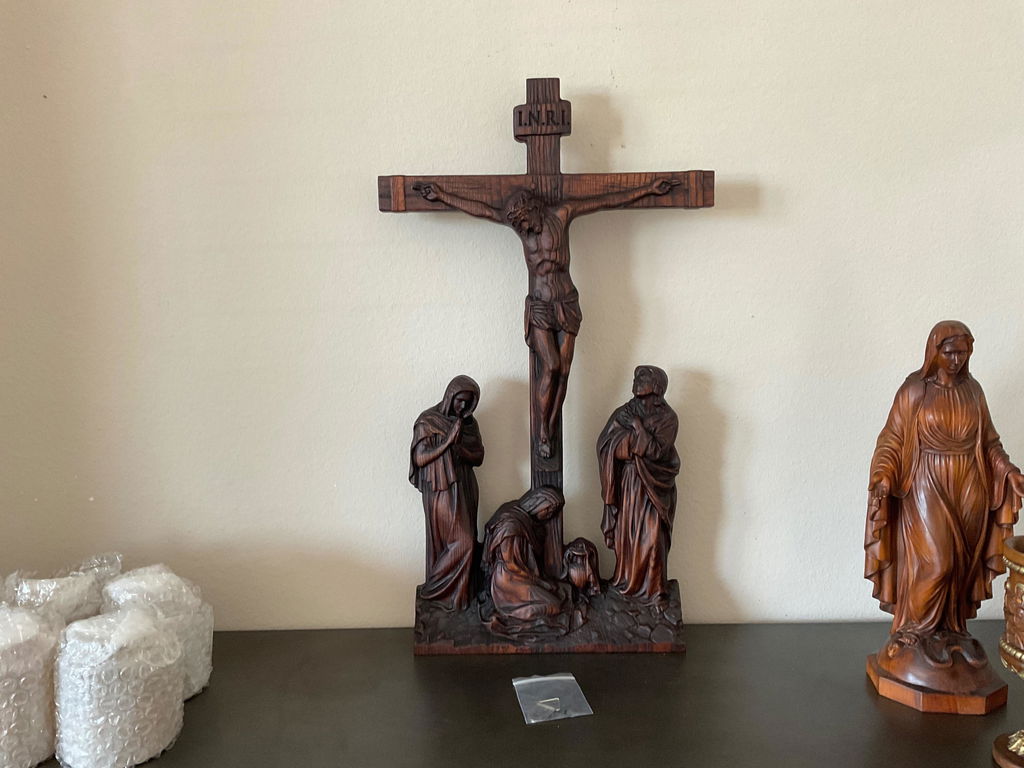
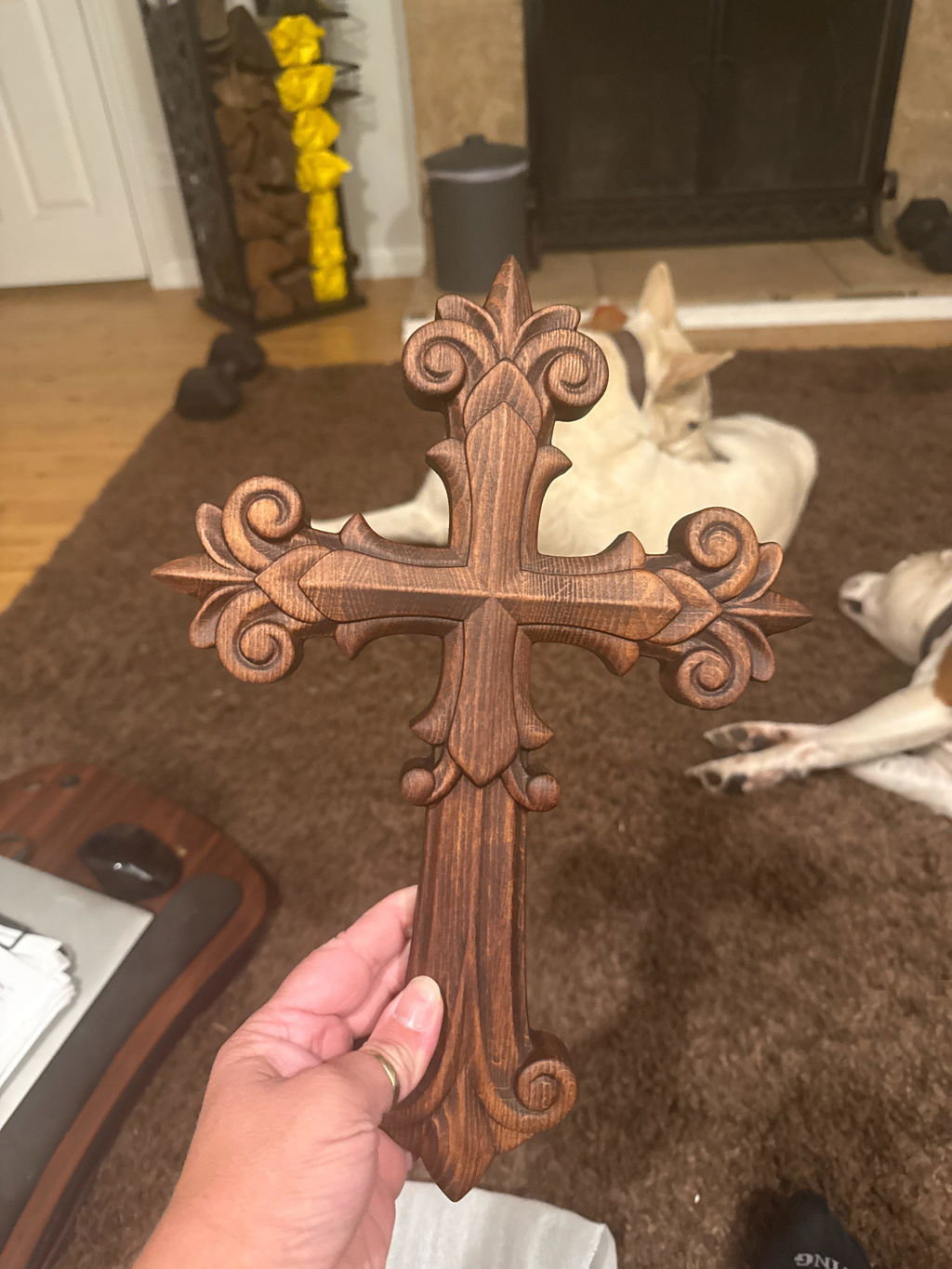
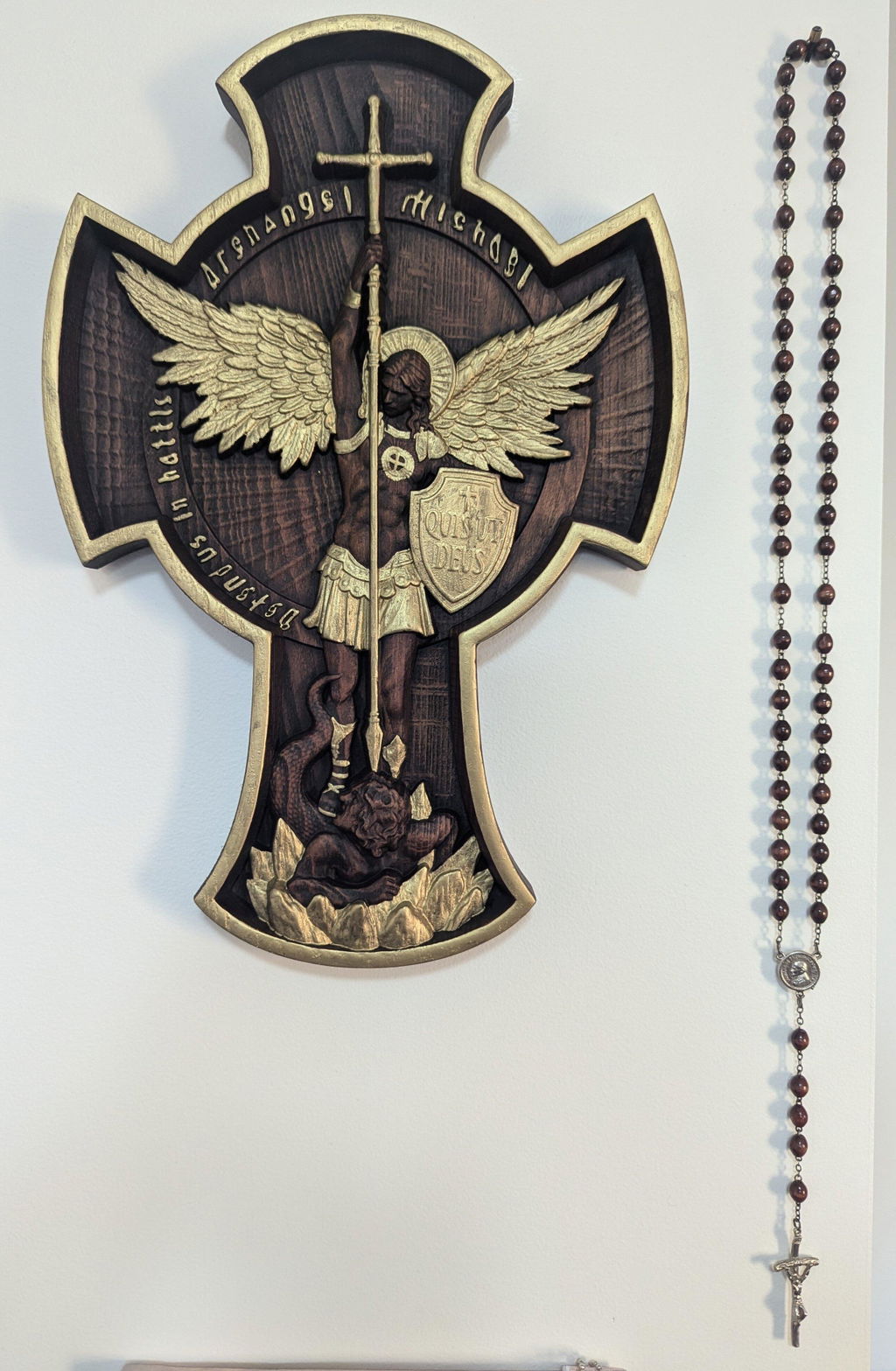
The BGCOPPER hand-carved Celtic Cross offers this symbol in solid beechwood. Its natural surface and carved detail suit rooms where warmth and restraint matter more than elaborate ornament. It may be displayed as Christian wall decor, included in a family prayer corner, or given to someone beginning a new chapter of life.
The Meaning of the Celtic Cross
At the heart of the Celtic Cross is the central symbol of Christianity: the Cross of Christ. For Christians, the Cross recalls sacrifice, mercy, redemption, and the hope of resurrection. It does not remove sorrow from human experience; instead, it places suffering within a larger story of faithful love and renewed life.
The ring surrounding the arms of many Celtic crosses has been interpreted in several ways across history and popular devotion. It is often understood as a visual sign of eternity, unity, or the unending nature of God's love. Because the precise history and interpretation of individual designs can vary, it is best to approach the circle not as a rigid theological formula but as a contemplative shape. Its unbroken line can prompt reflection on constancy, communion, and a faith that accompanies ordinary life.
Celtic Christian imagery also evokes the meeting of faith, place, and artistic tradition. Stone crosses standing in landscapes have long made sacred stories visible in the natural world. A carved wooden version brings a related sensibility indoors: the enduring form of the cross expressed through an organic material with its own grain and tone.

Why Wood Feels at Home in a Sacred Space
Wood has a visual softness that works especially well in reflective spaces. Its grain prevents the surface from feeling completely uniform, while its natural color can sit comfortably beside linen, books, candles, pottery, and other familiar household materials. In a prayer area, this warmth can help create an atmosphere that feels personal rather than formal.
This particular cross is described as hand-carved, hand-polished, and made from solid beechwood. Those details matter aesthetically because carving gives the design relief: light settles into recessed areas and touches raised forms differently as the day changes. The result is not simply a printed religious image but an object whose shape and texture can be appreciated at close range.
Natural wood may also show subtle variation. Grain and tone are part of the material rather than flaws to be hidden. That individuality can feel appropriate for devotional decor, where meaning often grows through repeated encounters over many years. The object becomes familiar not because it is perfectly identical to every other piece, but because it belongs to a particular home and its pattern of prayer.
Creating a Simple Christian Prayer Corner
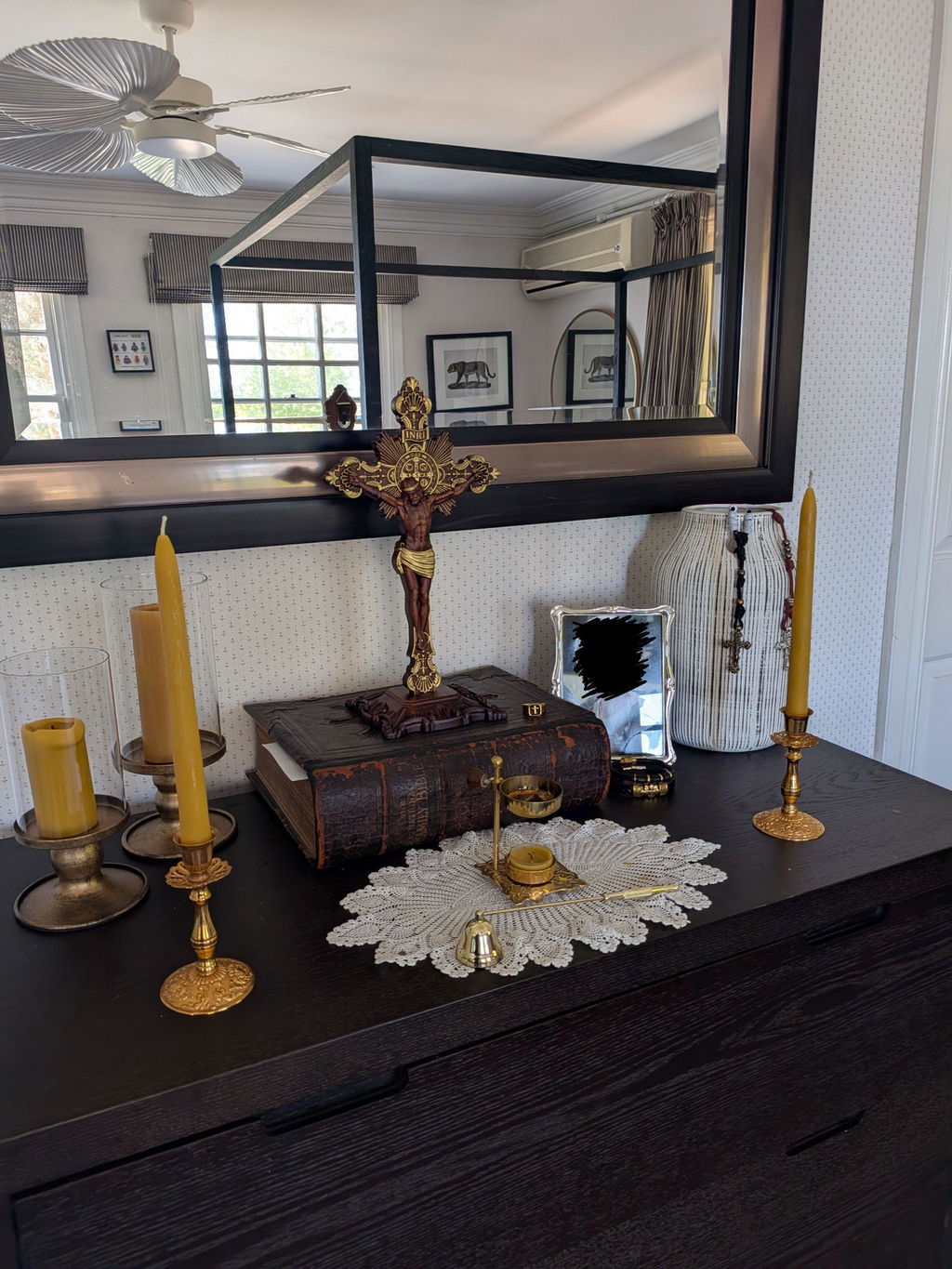
A prayer corner does not need to be large or elaborate. A small section of wall, a shelf, or a quiet place beside a chair can be enough. The goal is not to create a decorative display for its own sake, but to set aside a visual reminder that helps attention return to God.
Begin with one clear focal point, such as a cross, and leave some open space around it. Nearby, you might place a Bible, prayer book, rosary, or journal according to your tradition and habits. A small lamp can make the area welcoming in the early morning or evening. If candles are used, keep them safely separated from wood, paper, fabric, and other flammable materials.
Placement can gently shape use. In a bedroom, a cross may accompany private morning and evening prayer. In a living room, it can reflect the faith shared by a household without dominating the room. Near a reading chair, it may mark a place for Scripture and silence. The solid beechwood Celtic Cross can also work in an entryway, where its presence offers a quiet reminder of the values carried both into and out of the home.

A Meaningful Christian Gift
Religious gifts are most thoughtful when they recognize a real moment in another person's life. A wooden cross can be appropriate for a baptism or confirmation, when a family is marking growth in faith. It can also be given for a wedding or housewarming as a prayer for a home centered on patience, mercy, and love.
For a priest, pastor, catechist, godparent, or Christian friend, a carved cross can express gratitude without requiring an elaborate message. During grief or transition, it may offer a steady symbol when words feel inadequate. It is wise to consider the recipient's own Christian tradition and preferences; sacred objects are personal, and a gift is most meaningful when offered with sensitivity rather than assumption.
A short handwritten note can explain why the symbol was chosen. The note might mention a shared prayer, a Scripture passage meaningful to the recipient, or simply the hope that the cross will bring a moment of peace and remembrance. This keeps the emphasis on relationship and faith rather than on the object alone.
Living with a Symbol, Not Just Decorating with It
Christian home decor has its deepest value when beauty supports attention. A Celtic Cross can complement rustic, traditional, or understated interiors, but its purpose reaches beyond style. It may remind a household to begin again after conflict, to make room for gratitude, or to remember Christ in the midst of ordinary responsibilities.
Over time, such reminders become woven into the background of family life. They witness celebrations, seasons of waiting, changing routines, and quiet prayers no visitor ever sees. A hand-carved wooden cross does not need to make a dramatic statement. Its strength may lie precisely in its stillness: natural wood shaped into an ancient Christian sign, present day after day as a gentle invitation to faith, hope, and love.