An Enduring Oath: Veteran Wood Carving for a Faith-Filled Home
Some objects speak quietly but carry a lasting message. A carved plaque honoring a veteran can do exactly that: it can hold words of duty, memory, and gratitude in a form that belongs naturally in the home. The BGCOPPER veteran wood carving bears the declaration, “I Am a Veteran—My Enlistment Oath Has No Expiration Date.” Rather than treating service as a chapter that simply closes, the message recognizes how an oath can continue to shape a person’s values, relationships, and sense of responsibility.
For Christian families, gratitude for service often sits beside prayer for peace, wisdom, and protection. This makes veteran-inspired wooden decor especially meaningful in a home where faith and family history are remembered together. The piece does not need to dominate a room. Its purpose can be quieter: to invite reflection, honor a loved one, and give visible form to a story that deserves care.
A Symbol of an Enduring Commitment
The central phrase of the “I Am a Veteran” carved wooden plaque focuses on the permanence of an oath. Military service changes over time, but qualities formed through service—discipline, courage, loyalty, and concern for others—may remain present long afterward. Displaying those words can acknowledge the continuing identity of a veteran without reducing that person to a uniform, a rank, or a single period of life.
The eagle, shield-like form, stars, and raised lettering create a visual language associated with vigilance, national service, and protection. These symbols are familiar, yet carving gives them a personal, grounded character. Their meaning may be especially resonant in a family that has preserved photographs, medals, letters, or stories across generations. The plaque can become part of that larger family narrative rather than an isolated decorative object.

Faith, Service, and Christian Reflection
Christian reflection on service is not limited to heroic language. It also makes room for humility, sacrifice, companionship, grief, healing, and the difficult work of peace. A veteran’s experience is individual, and no decorative piece can summarize it fully. Thoughtful Christian home decor should therefore open space for remembrance rather than attempt to explain another person’s journey.
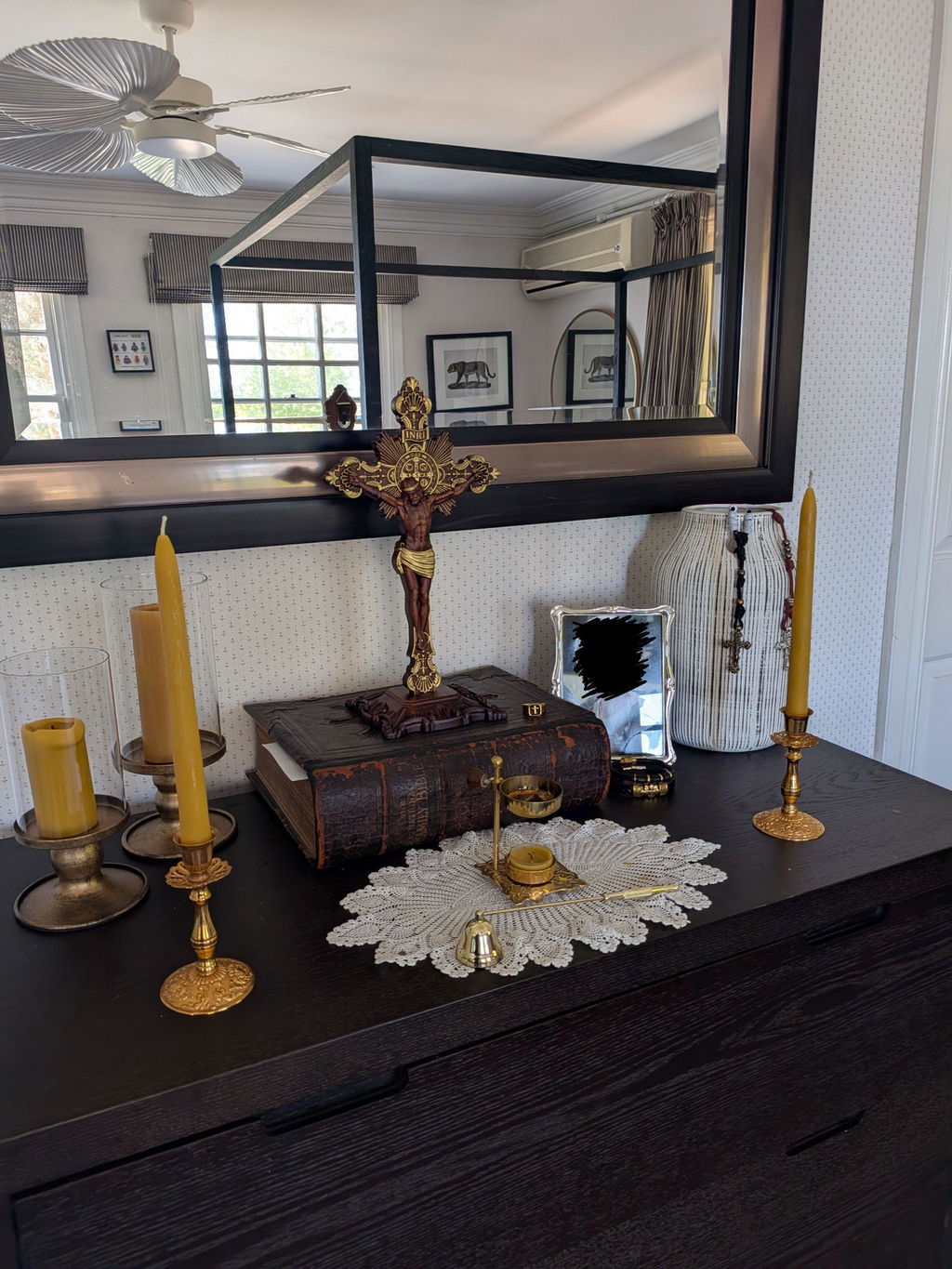
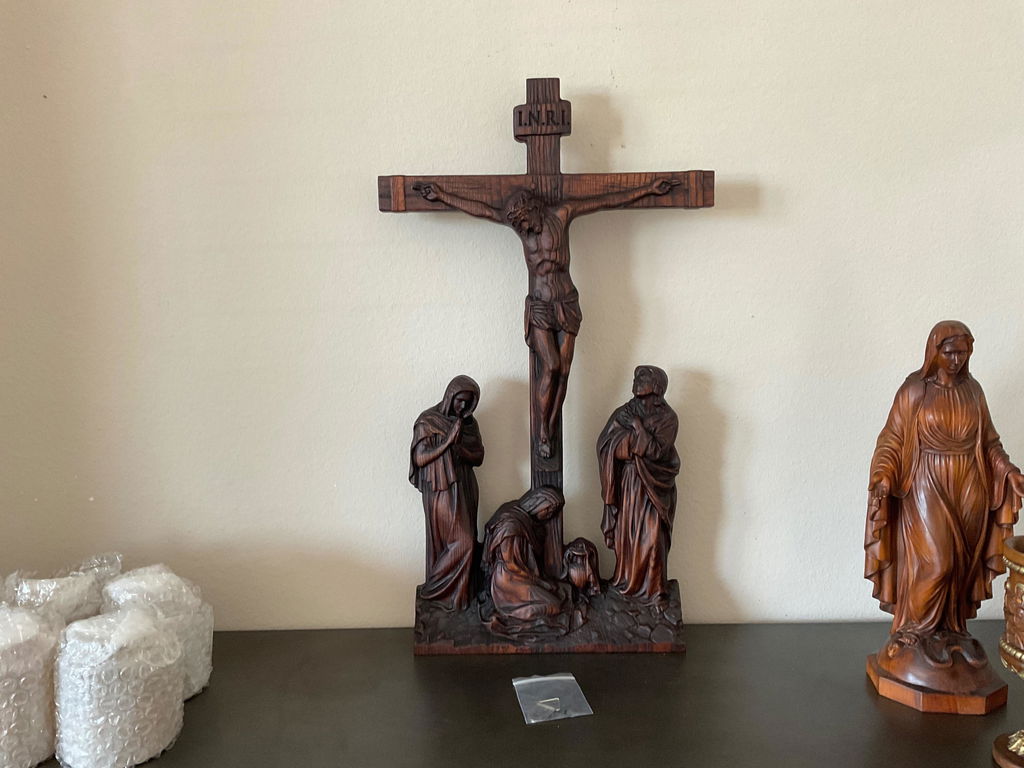
In a prayer corner, the plaque might stand near a Bible, cross, candle, family photograph, or written list of prayer intentions. It can prompt prayers for veterans, active-duty families, caregivers, chaplains, and communities affected by war. It may also encourage gratitude for ordinary forms of faithful service: showing up for family, keeping promises, mentoring younger people, and protecting the vulnerable. In that setting, patriotic symbolism and Christian devotion can remain distinct while still participating in a shared practice of remembrance.
One biblical passage often associated with sacrificial love is John 15:13, which speaks of laying down one’s life for one’s friends. It should not be used to romanticize conflict or make assumptions about any veteran’s faith. Read with care, however, it can help a Christian household reflect on self-giving love, responsibility, and gratitude. The wooden plaque serves as a visual prompt; the deeper reflection belongs to the people who gather around it.
Why Wood Feels at Home in a Reflective Space
Wood brings warmth that differs from polished metal or printed signs. Grain, color variation, carved contours, and shadows allow a piece to feel tactile and settled. As daylight changes, recessed and raised areas become more or less visible, giving the design a gentle sense of depth. This makes carved wood suitable for interiors that favor natural textures, traditional furnishings, or calm, uncluttered arrangements.
The medium is also symbolically fitting. Wood is familiar in Christian visual culture, but it is equally familiar in everyday family life: tables where meals are shared, shelves holding photographs, and doors through which people return home. A carved object connects commemoration with these ordinary spaces. It can honor service without making a room feel formal or museum-like.

Creating a Veteran Remembrance Corner at Home
A meaningful display begins with restraint. Choose one location where the words can be read comfortably—a home office, entryway, living room, study, or dedicated remembrance wall. Leave enough open space around the carving so its outline and inscription remain clear. Nearby objects should add context rather than compete for attention.
For a family history display, pair the plaque with one or two framed photographs and a short written note identifying the people or stories represented. If medals, folded flags, or official documents are included, use protective display methods appropriate to those items. In a Christian prayer space, a small cross, devotional book, or simple candle can create a contemplative grouping. The aim is not to build an elaborate arrangement, but to make remembrance easy to return to.
Color can help the display feel integrated. Warm neutrals, deep blue, muted red, olive, cream, and natural wood tones support the patriotic imagery without overwhelming it. Soft directional light can reveal carving details, while avoiding harsh glare. Before choosing a position, view the plaque from where people normally sit or enter; a reflective object is most effective when it participates naturally in daily life.
A Thoughtful Gift for Veterans and Their Families
Veteran gifts are most meaningful when they recognize the recipient as a person, not merely a category. This carving may suit a retirement, Veterans Day gathering, birthday, Father’s Day, homecoming, family reunion, or quiet expression of thanks. It can also be offered to a spouse or household that has shared the demands and memories connected with service.
Presentation matters. A handwritten note can explain why the words brought the recipient to mind. Mention a specific quality you appreciate, a story you remember, or a way that person’s example has influenced the family. This kind of personal context keeps the gift from feeling generic. If the recipient has complicated feelings about military service, sensitivity is essential; gratitude should never require someone to perform pride or disclose experiences they prefer to keep private.

Honoring a Story Without Overstating It
Good memorial and veteran decor does not need dramatic claims. Its value lies in attention: noticing an oath, preserving a story, and making room for gratitude. The inscription on this plaque is direct, while the natural character of carved wood softens the presentation and helps it belong in a lived-in home.
For those considering this BGCOPPER veteran wood carving, the most useful question may be where its message will be encountered with care. Perhaps it will hang near family photographs, become part of a Christian prayer corner, or offer a steady point of reflection in a veteran’s office. Wherever it is placed, the surrounding intention matters most.
A home tells its story through the things given space within it. When chosen thoughtfully, a veteran plaque can express honor without spectacle and faith without presumption. It becomes a quiet reminder that service has a human face, promises shape a lifetime, and gratitude is best practiced with respect.