First Communion and the Quiet Meaning of a Christian Wood Carving
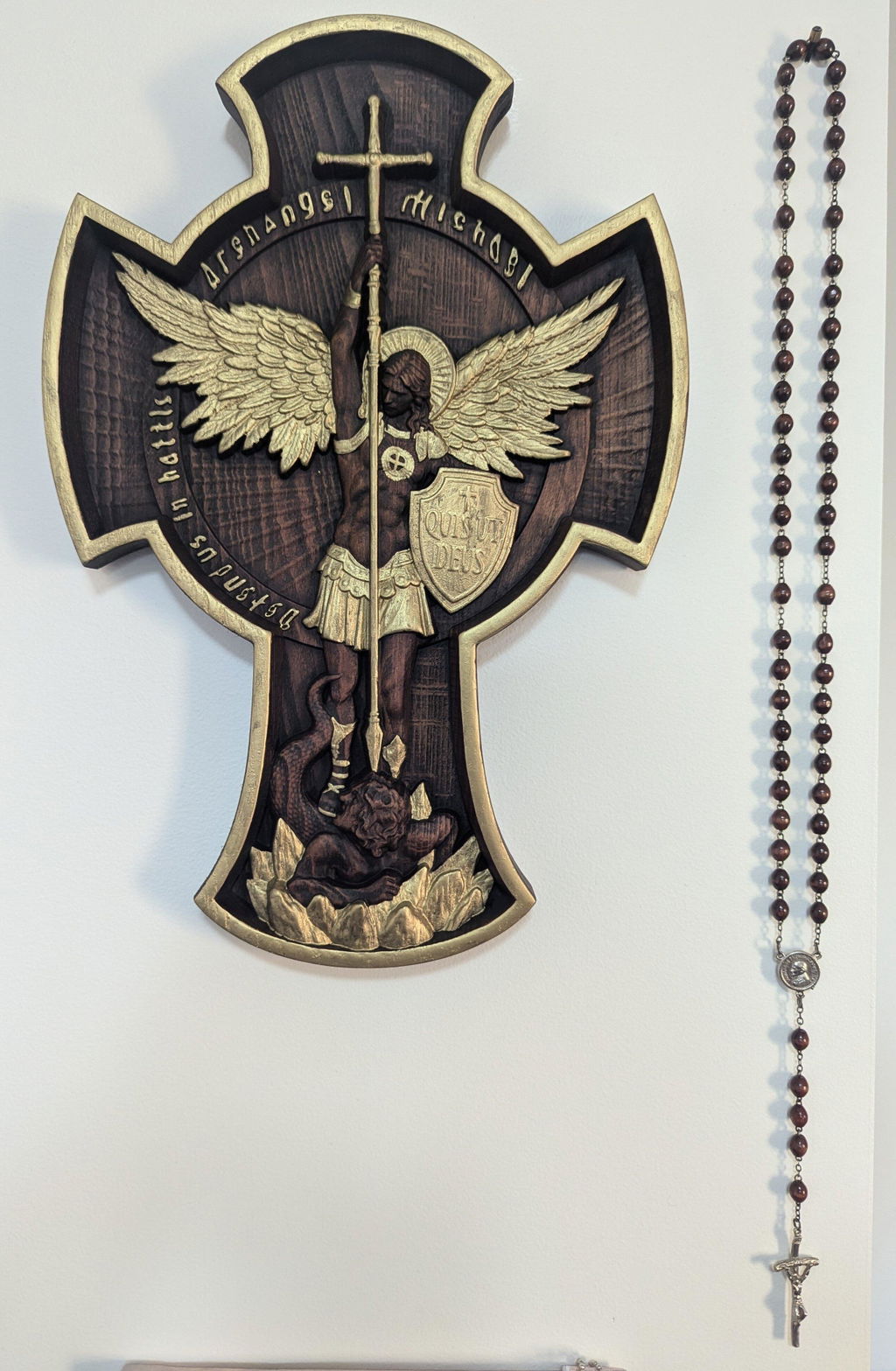
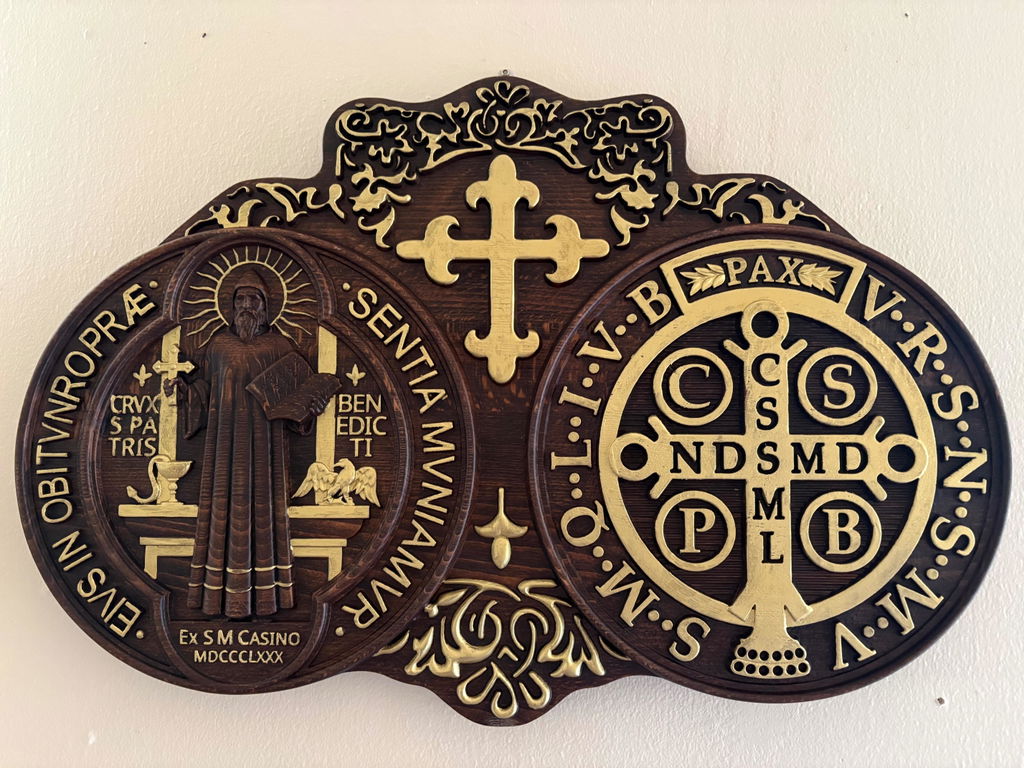
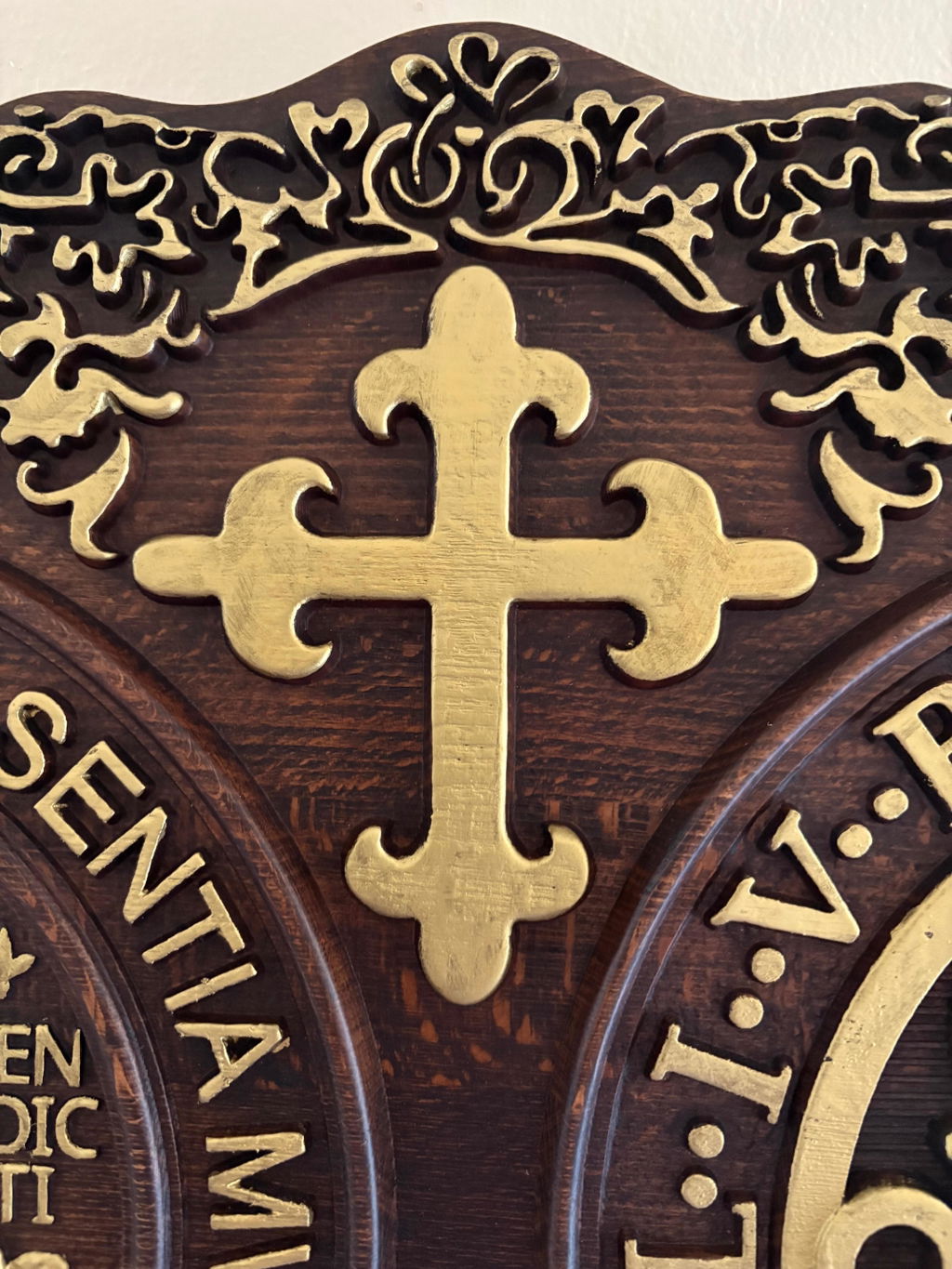
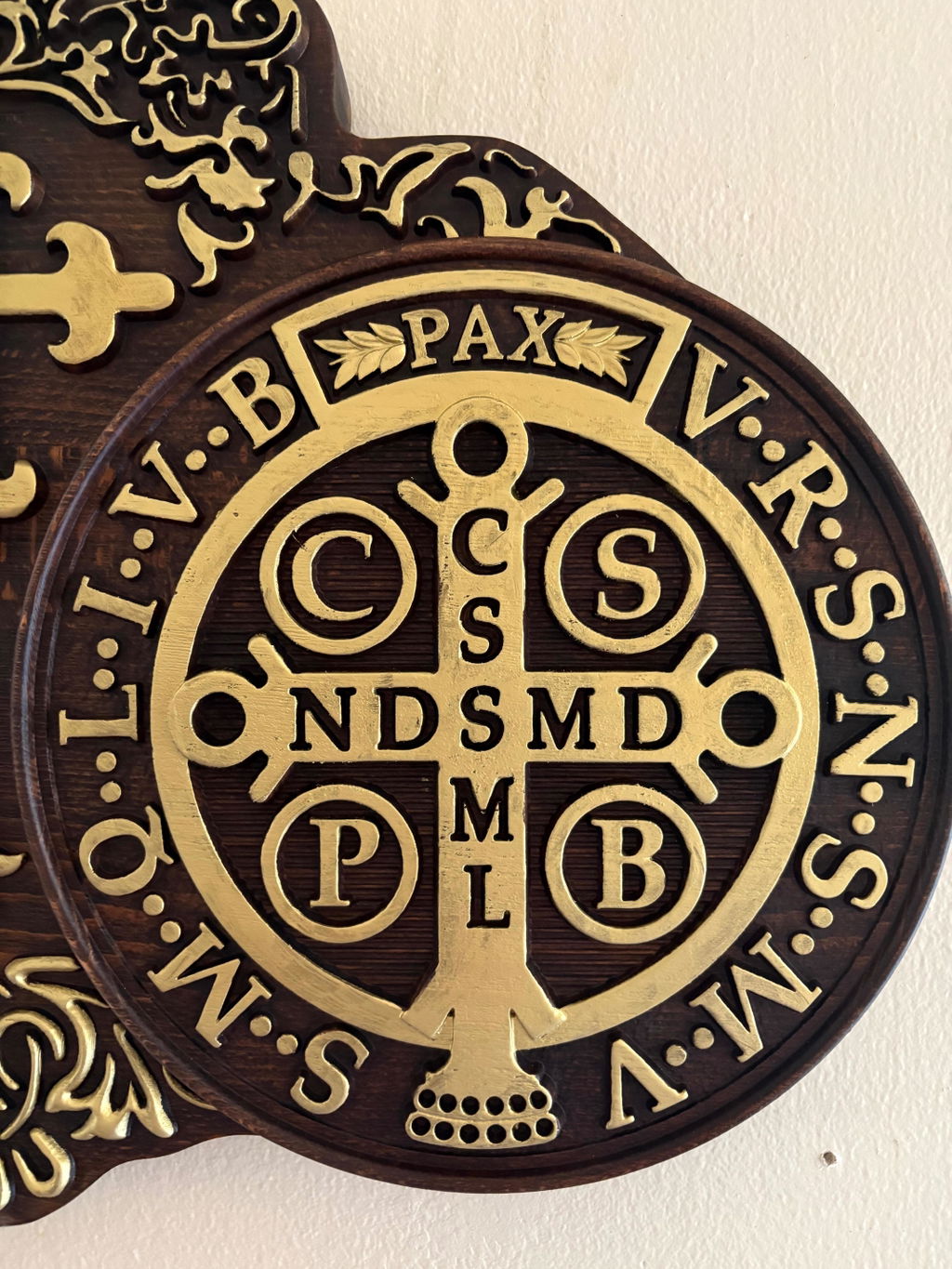
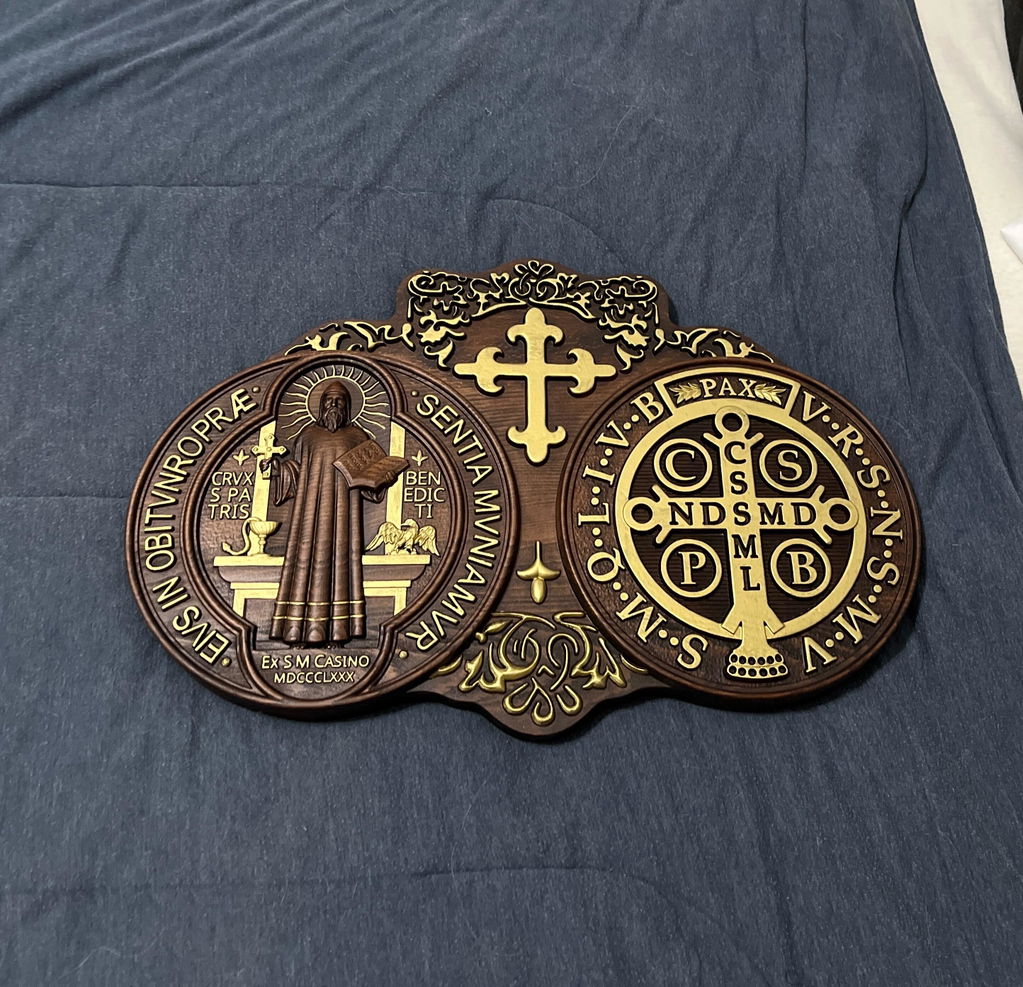
First Holy Communion is both a public celebration and a deeply personal moment. Families gather, photographs are taken, and familiar prayers help mark a child’s first reception of the Eucharist. Yet the meaning of the day continues after the church service and family meal are over. A visible object in the home can gently recall that spiritual milestone without turning it into decoration alone. The BGCOPPER First Communion Christian wood carving is designed around this kind of remembrance: a cross-shaped plaque connected with the Sacrament of the Holy Eucharist.
Religious art has long helped Christians bring faith into ordinary rooms and everyday routines. It does not replace Scripture, prayer, sacramental life, or the guidance of a faith community. Instead, it can serve as a quiet visual prompt—a reminder to pause, give thanks, and remember what a sacred occasion signifies. For a child preparing for First Communion, or for a family remembering the day years later, a carved image can make that memory present in a simple and approachable way.
The Eucharistic meaning behind a First Communion keepsake
Within Catholic life, First Communion marks a child’s first reception of the Eucharist after a period of preparation. The celebration naturally carries symbols that children encounter in their lessons, parish, and family prayers. A cross recalls the life, death, and resurrection of Jesus Christ, while Eucharistic imagery directs attention toward communion with Christ and participation in the Church’s sacramental life. When these signs appear together in a Christian wood carving, they create a focal point for remembering the day’s central meaning rather than only its festivities.
Such symbolism can also open natural conversations at home. Parents or godparents might ask what the child remembers about preparation, which prayer has become meaningful, or how gratitude can be practiced during the week. The plaque does not need to carry the whole conversation. Its value is often quieter: it provides a familiar starting point for reflection and allows questions about faith to arise in an unforced way.

Why carved wood feels at home in devotional spaces
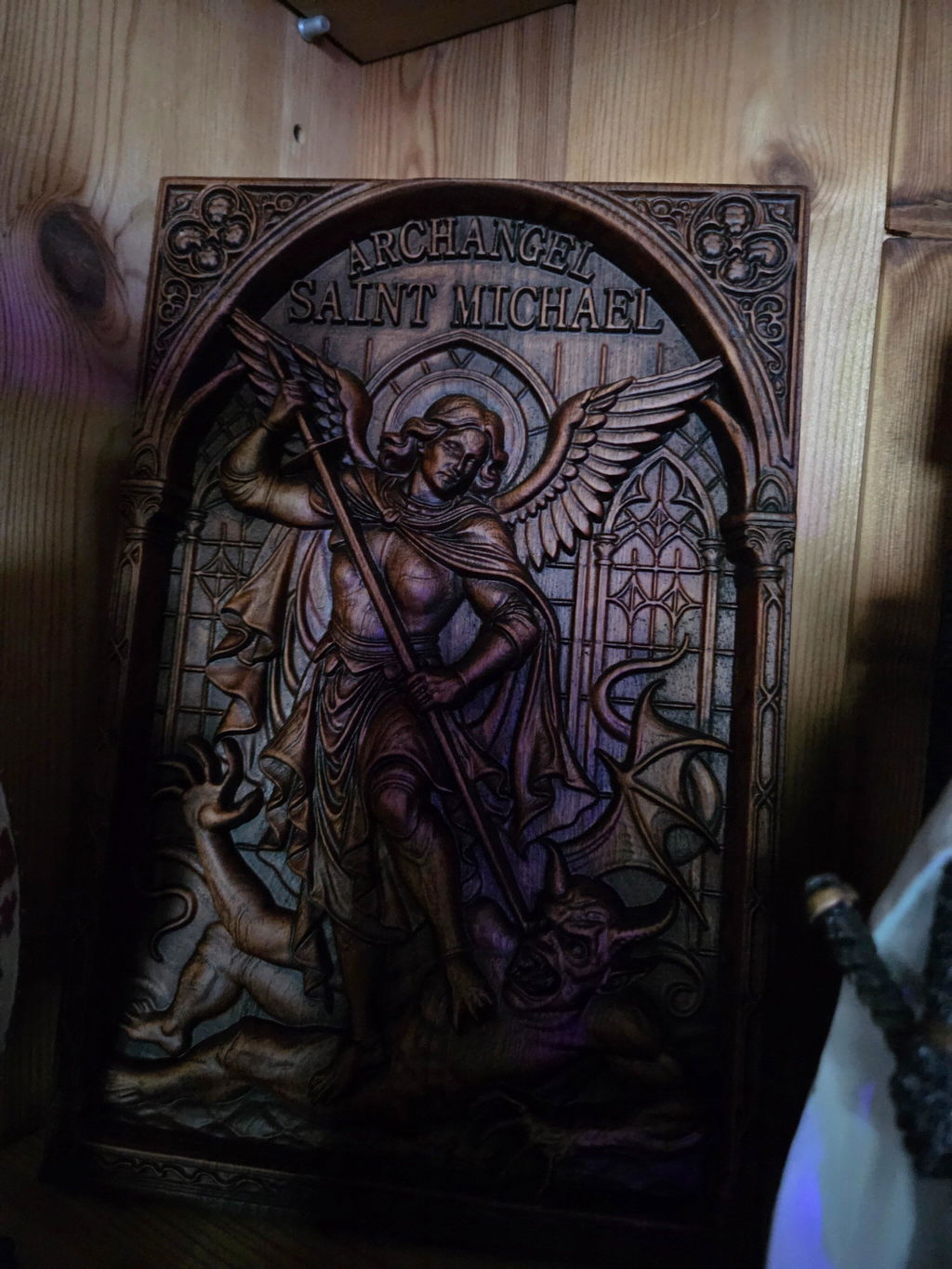
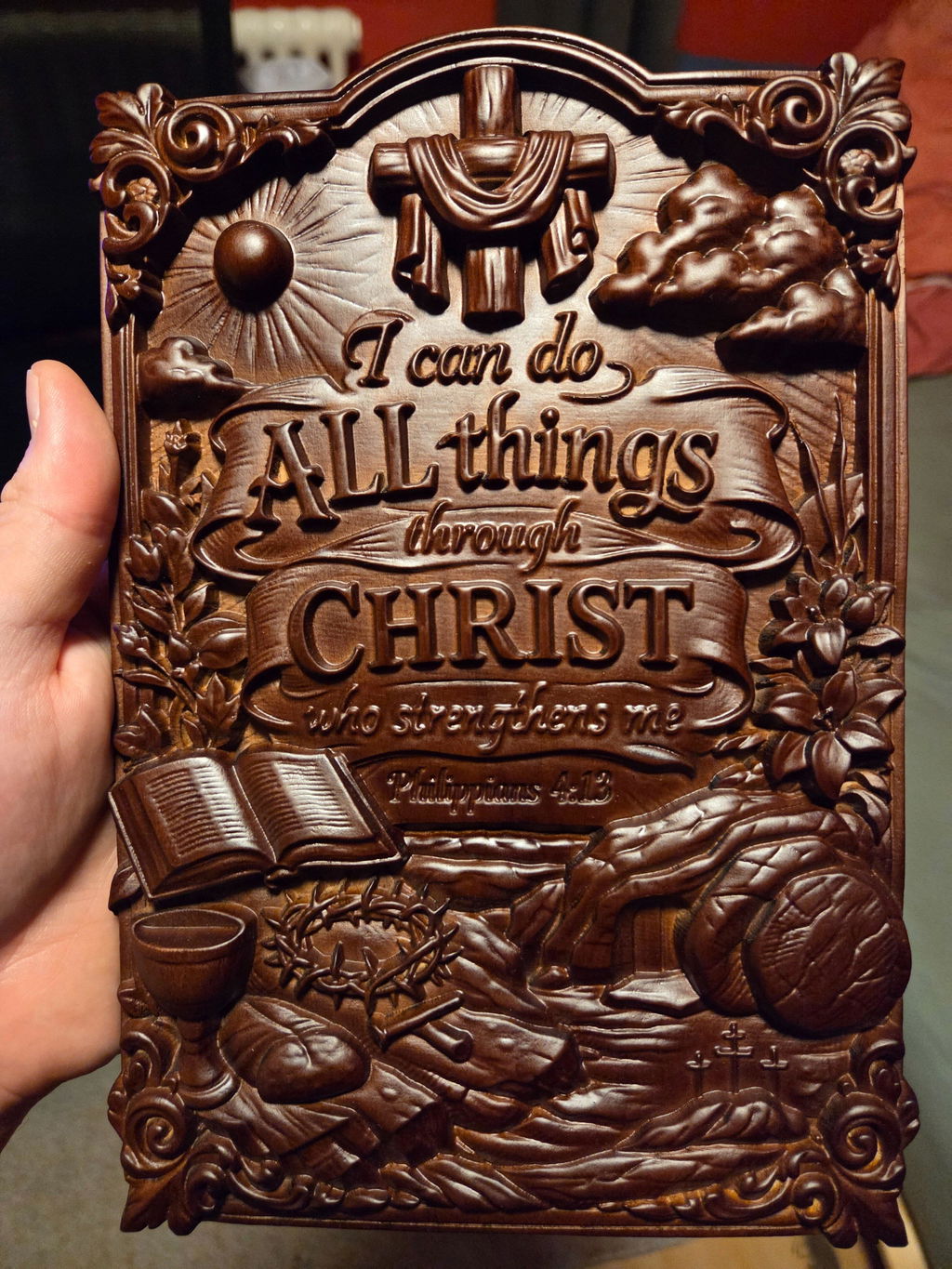
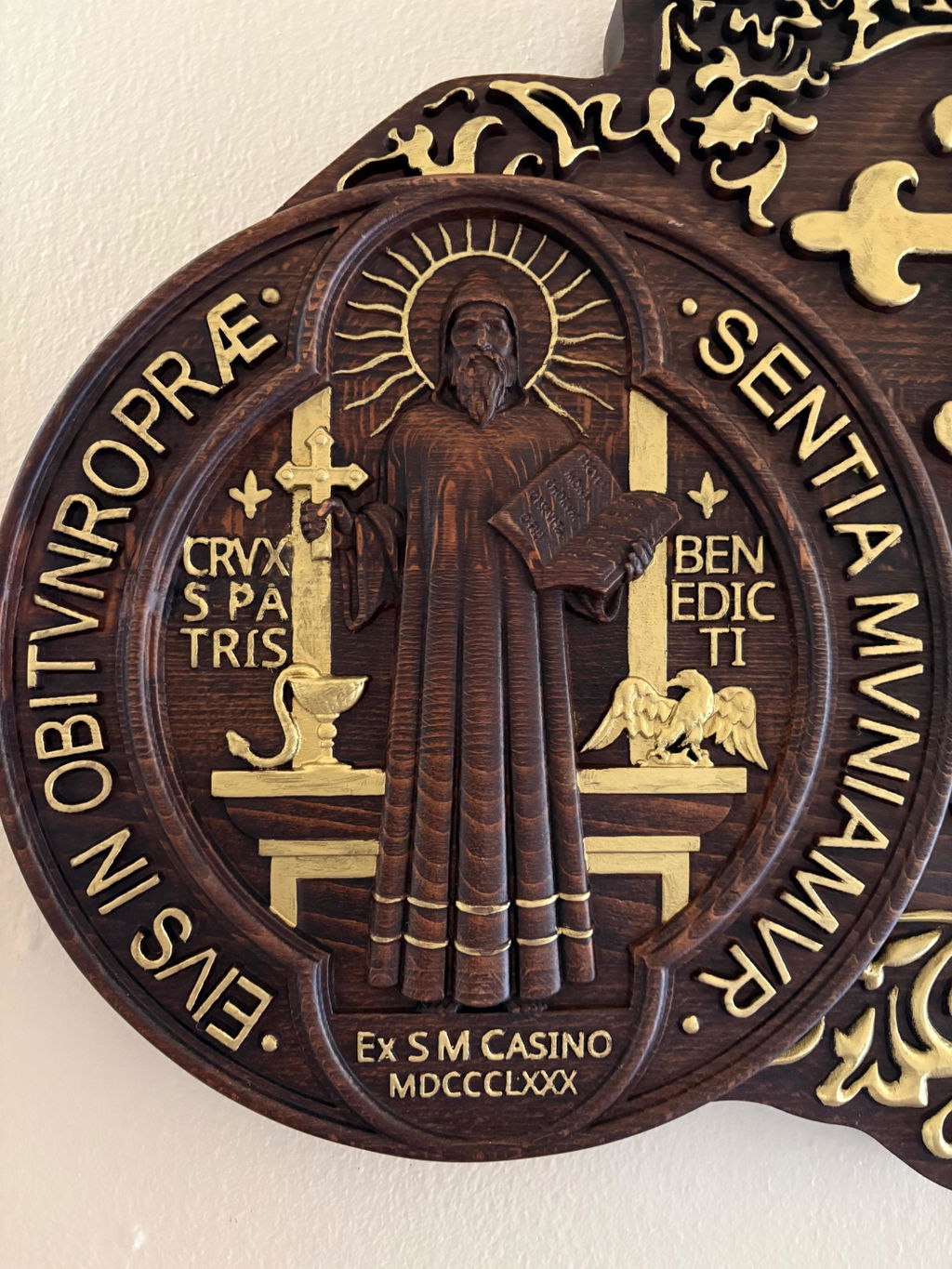
Wood brings a distinct warmth to Christian and Catholic home decor. Its grain and natural visual character can soften a room, while carved contours invite a closer look than a flat printed image might. This particular plaque is described in the product information as hand-carved from solid beech, manually polished, and finished with water-based paint. Those details connect the devotional design with a process shaped by tools, touch, and patient finishing.
That relationship between material and making has an appropriate resonance for sacred decor. Christian reflection often begins with ordinary things—bread, water, light, a table, or a piece of wood—and considers how they can direct attention beyond themselves. A carved wooden cross remains a crafted object, but its tactile surface and restrained presence can encourage stillness. It can sit comfortably beside books, a candle used safely during prayer, a rosary, or a family Bible without requiring an elaborate setting.

Creating a simple family prayer corner
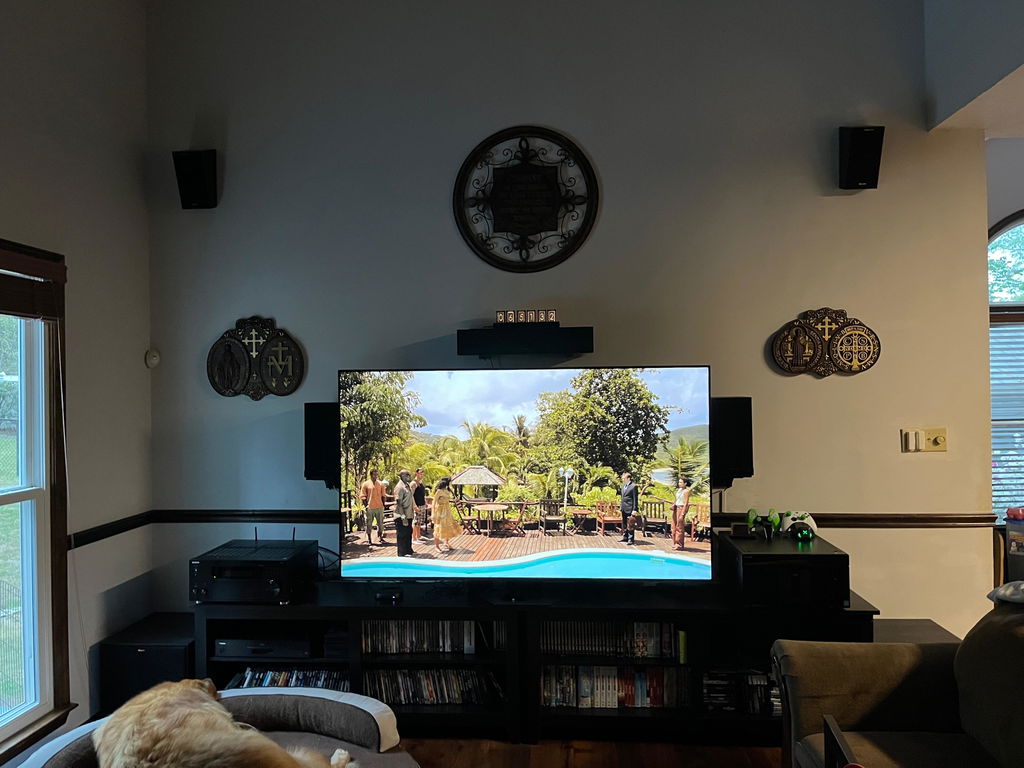
A prayer corner does not need to occupy an entire room. A small shelf, side table, bedroom wall, or quiet corner can become a place where the family gathers attention for a few moments. Begin with a location that is visible but not crowded. Place one central devotional image there, then leave enough open space for the arrangement to feel calm. The Holy Eucharist wood plaque for First Communion can act as that central image, especially in the communicant’s room or in a shared family area.
The space can support simple habits appropriate to the household: a morning prayer before school, a brief expression of gratitude after the day, or a moment of quiet before Sunday Mass. During the weeks surrounding First Communion, families might place a preparation book or prayer card nearby. Afterward, the same corner can preserve continuity, reminding the child that the celebration was not an ending but part of an ongoing life of faith.
For visual balance, it helps to avoid filling every surface. Natural colors, linen, a small plant, or a wooden frame can complement carved wood, but they are optional. The goal is not to create a styled display for its own sake. A devotional corner works best when it remains accessible, peaceful, and connected with real family practice.
A thoughtful gift for a sacred milestone
First Communion gifts often come from parents, grandparents, godparents, relatives, or close family friends. The most meaningful choices acknowledge both the child and the sacrament. A Christian wood carving can be suitable when the giver wants to offer something visible for the home—an object that recalls the day while leaving room for the child’s understanding to deepen over time.
A personal note can make the gift more reflective. Rather than focusing only on congratulations, the giver might share a short prayer, a Scripture passage meaningful to the family, or a memory from their own sacramental life. It is wise to keep the message age-appropriate and sincere. The plaque and note can then work together: one offers a lasting visual reminder, and the other records the relationship and intention behind the gift.

Living with faith-inspired decor after the celebration
As seasons change, the plaque can remain in a prayer corner or move to another quiet place in the home. Dusting it gently and keeping it away from prolonged moisture or harsh cleaning products respects the finished wooden surface. More importantly, its presence can mature with the family. A younger child may first recognize its cross and ceremonial associations; later, the same object may recall preparation classes, loved ones who attended, and a growing understanding of Eucharistic faith.
Christian home decor is most meaningful when beauty and practice remain connected. A carved plaque cannot create devotion by itself, but it can support remembrance, conversation, and attentiveness. In that modest role, a First Communion carving offers something valuable: a warm material presence that honors a sacred milestone and quietly points the household back toward prayer, gratitude, and the continuing life of faith.