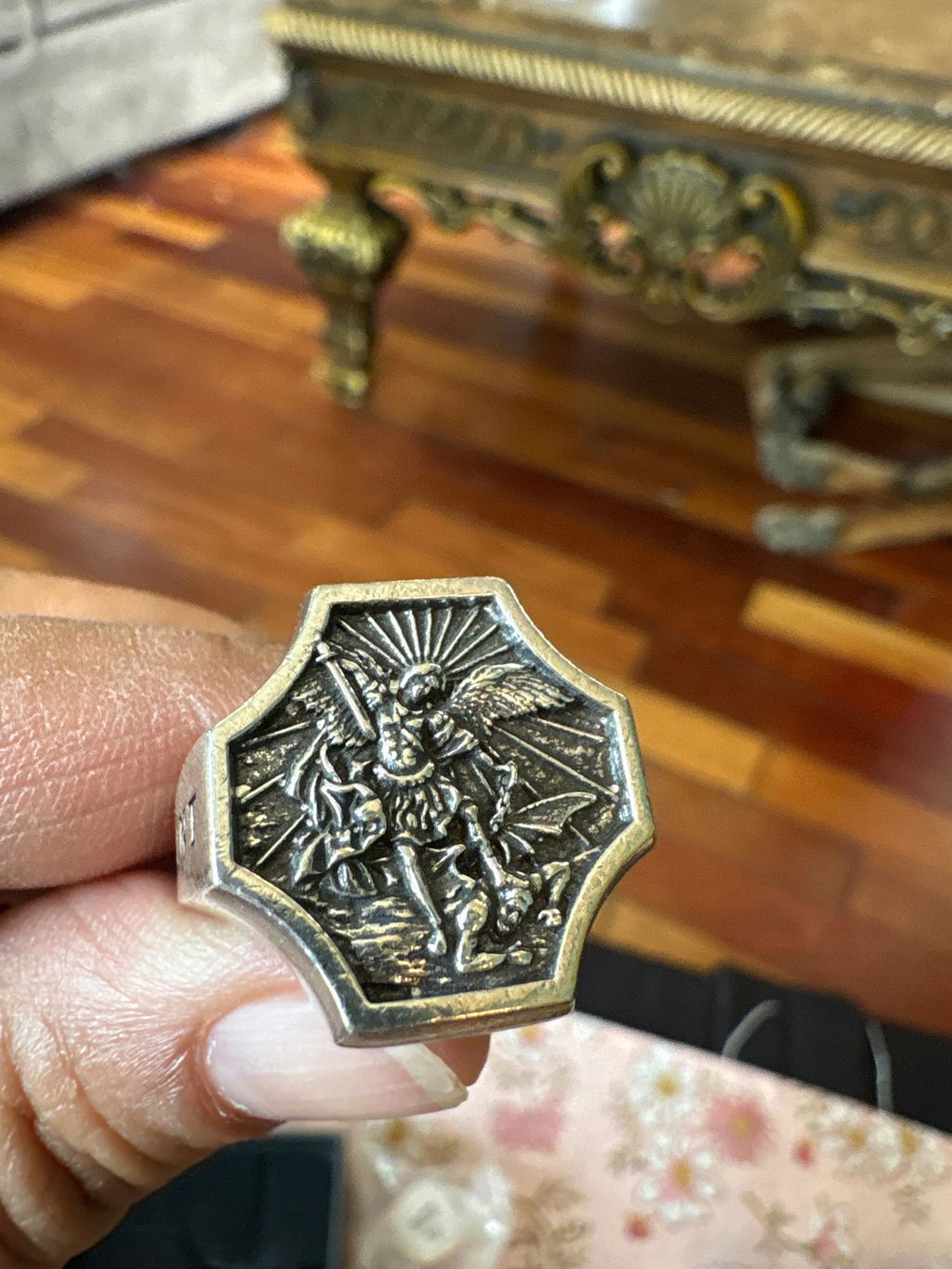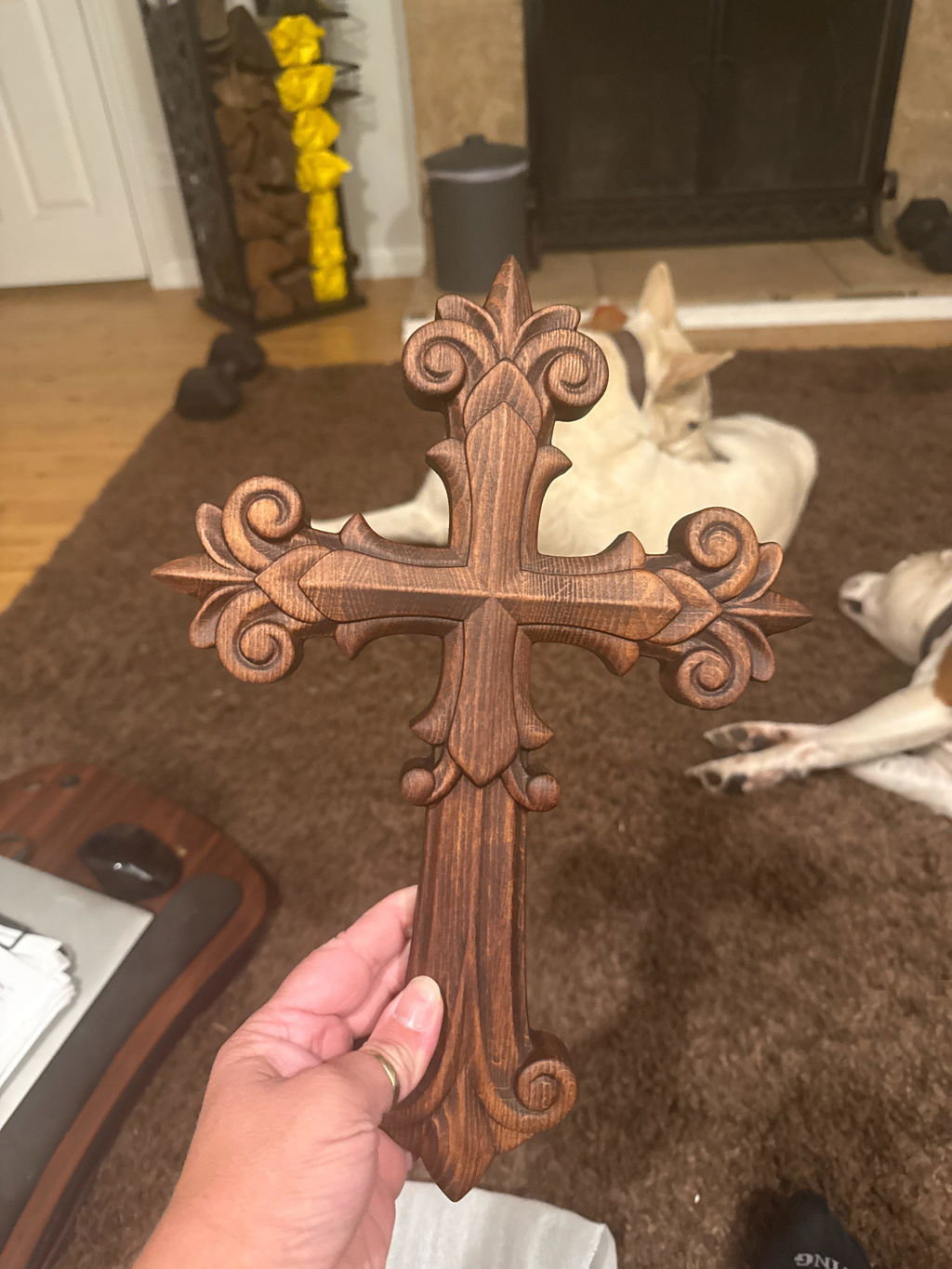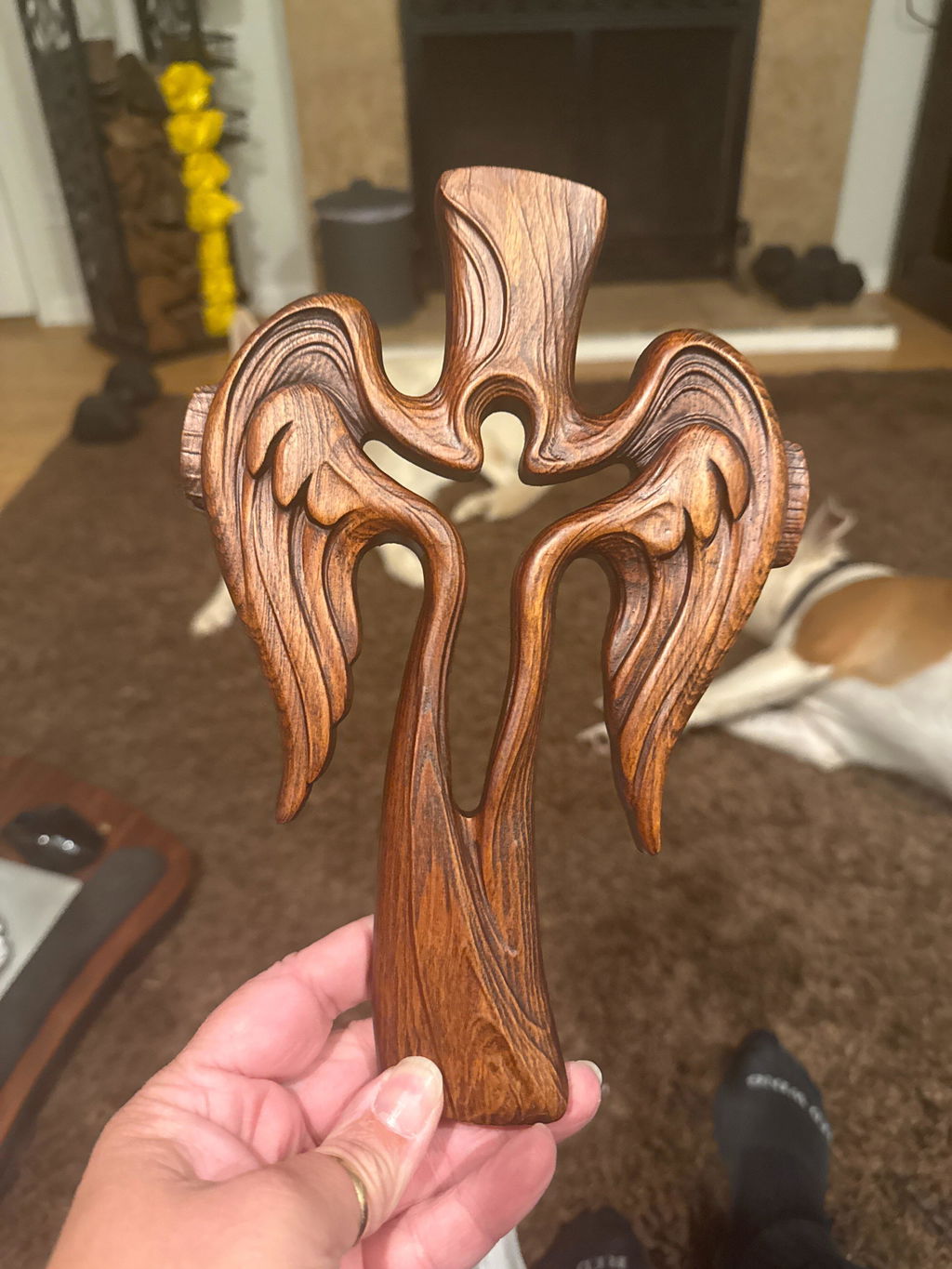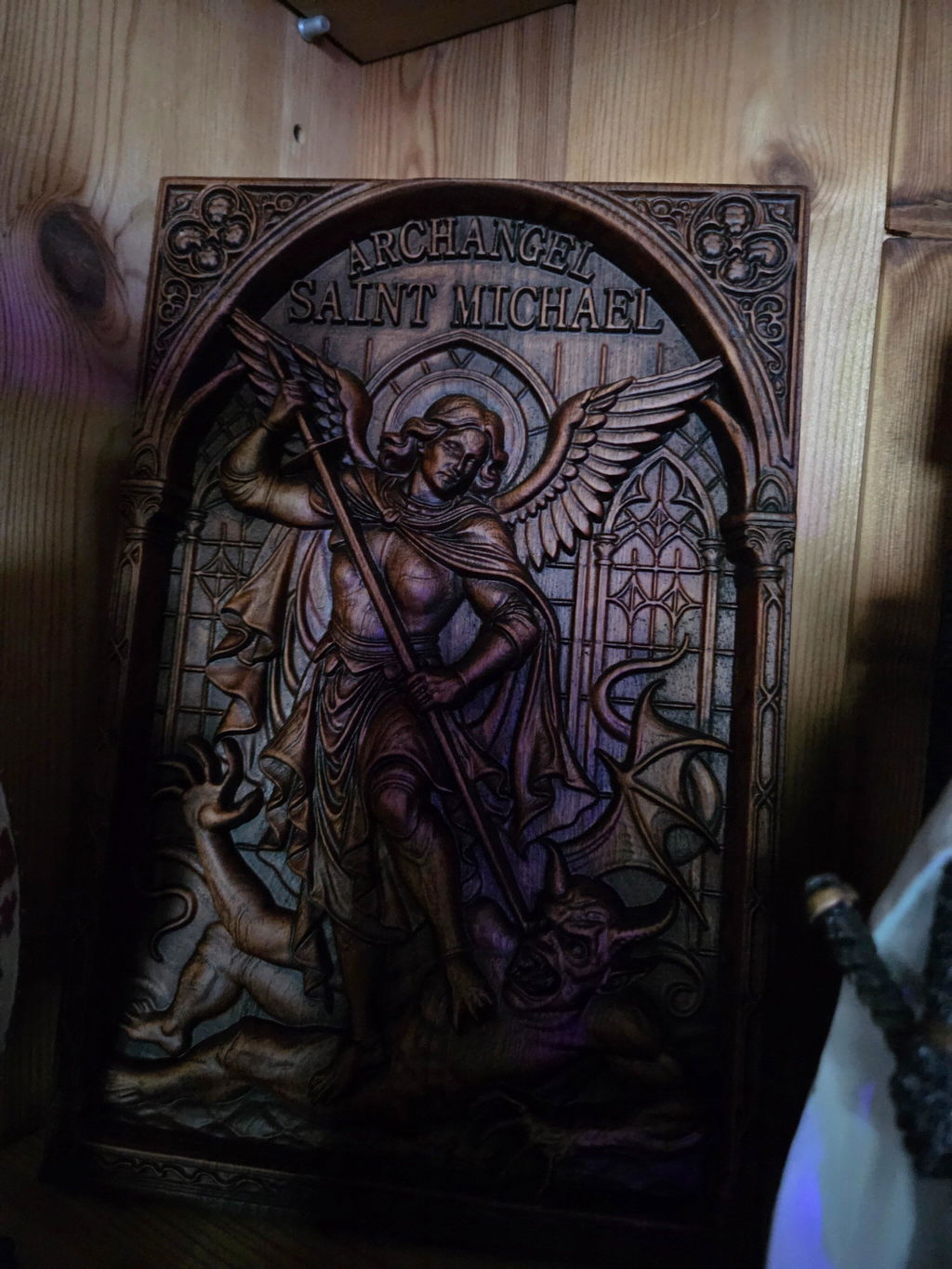
The Miraculous Medal in Wood: Creating a Grace-Filled Prayer Corner
Some religious images invite attention through grandeur. Others work more quietly, becoming part of the familiar landscape of a home. A Miraculous Medal image belongs naturally to this second tradition. Its recognizable Marian form can mark a place for prayer while the warmth of carved wood helps it feel at home among books, family photographs, candles, and other objects gathered over time.
The Miraculous Medal wood carving from BGCOPPER translates this familiar Catholic devotional image into wooden décor. Rather than treating sacred art as something reserved only for a church interior, it suggests how a thoughtful image can support reflection in an ordinary room. To understand its place in the home, it helps to look first at what the Miraculous Medal represents and then at how natural texture changes the experience of religious décor.
The Miraculous Medal as a Sign of Grace
The Miraculous Medal is associated with devotion to the Virgin Mary under the title Our Lady of Graces. In Catholic life, the image is not understood as a charm or an independent source of power. It points beyond itself—to God’s grace, to Mary’s faithful response, and to the Christian hope that prayer can shape daily life. For many people, its meaning is held in a simple posture of trust: bringing worries, gratitude, and the needs of others into prayer.
Mary is often shown standing with open or outstretched hands, a gesture that can be read as welcome, humility, and the reception of grace. The composition also recalls a central Christian theme: faithful discipleship is lived not only in dramatic moments but in repeated acts of attention, service, and hope. A representation of Our Lady of Graces can therefore serve as a gentle visual prompt rather than merely an ornament.
That distinction matters when choosing Catholic home décor. Sacred imagery does not need to dominate a space to carry meaning. A familiar symbol seen while beginning the day, passing through a hallway, or sitting down for evening prayer can encourage a brief pause. Its value lies in the practice it supports: recollection, gratitude, intercession, or silence.

Why Carved Wood Feels at Home
Wood brings a particular visual warmth to religious art. Its grain, tonal variation, and tactile appearance soften the formality that sacred images can sometimes carry. In a carved piece, light settles into recessed details and moves across raised areas throughout the day. The image may appear more defined in morning light and quieter in the evening, allowing the object to participate subtly in the room around it.
There is also an appealing connection between carving and contemplation. Carved forms emerge through the patient removal of material, one area at a time. Without romanticizing or making claims about a particular production process, the medium itself can remind us that meaningful habits are also shaped gradually. A prayer corner is built through repeated use; a family tradition gains depth through return; faith is often formed in small, steady choices.
Wooden décor pairs comfortably with many interiors because it is neither visually cold nor overly ornate. It can sit alongside neutral textiles, warm ceramics, natural baskets, or darker furniture. The aim is not to create a themed room, but to give one meaningful object enough breathing space to be seen and revisited.

Creating a Simple Catholic Prayer Corner
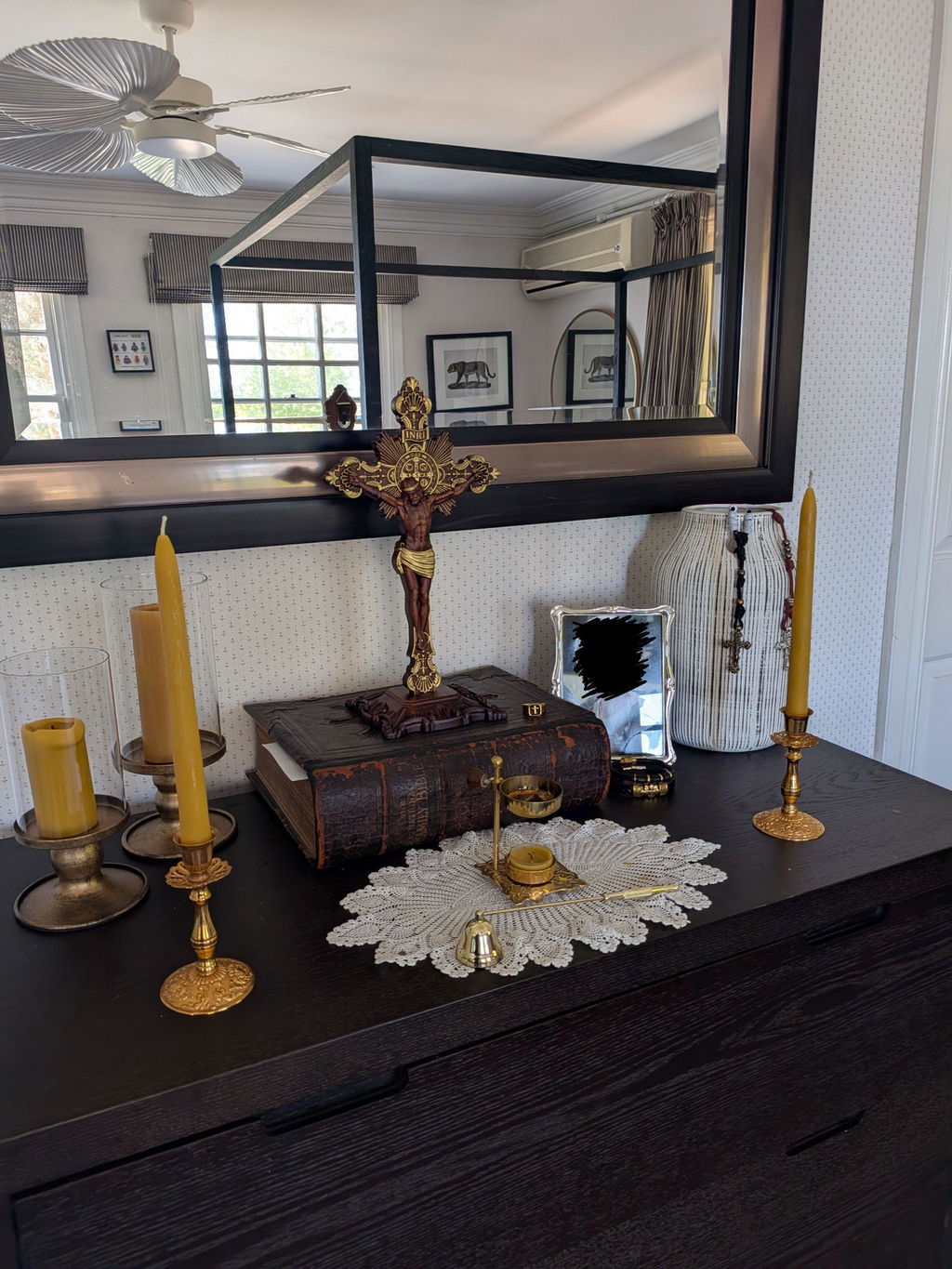
A home prayer corner does not require a separate room. A small shelf, the top of a chest, a quiet desk, or a protected section of a bookcase can become a steady place for reflection. Begin with a location that is easy to approach and free from excessive visual clutter. Position the carving where its form can be seen comfortably, then add only what supports your own practice.
A Bible, prayer book, rosary, or written list of intentions may be enough. Some households add a candle, flowers, or a cloth that changes with the liturgical season. If a candle is used, ordinary fire safety and adequate distance from décor remain essential. The most important element is not the number of objects but the invitation to stop and pray.
The Marian image can help give that pause a simple shape. One might begin with the Hail Mary, pray for a family member, name something for which to be grateful, or sit briefly in silence. Parents may also use the space to introduce children to the idea that prayer belongs within everyday family life. The image becomes a point of orientation, while the actual practice remains personal and sincere.
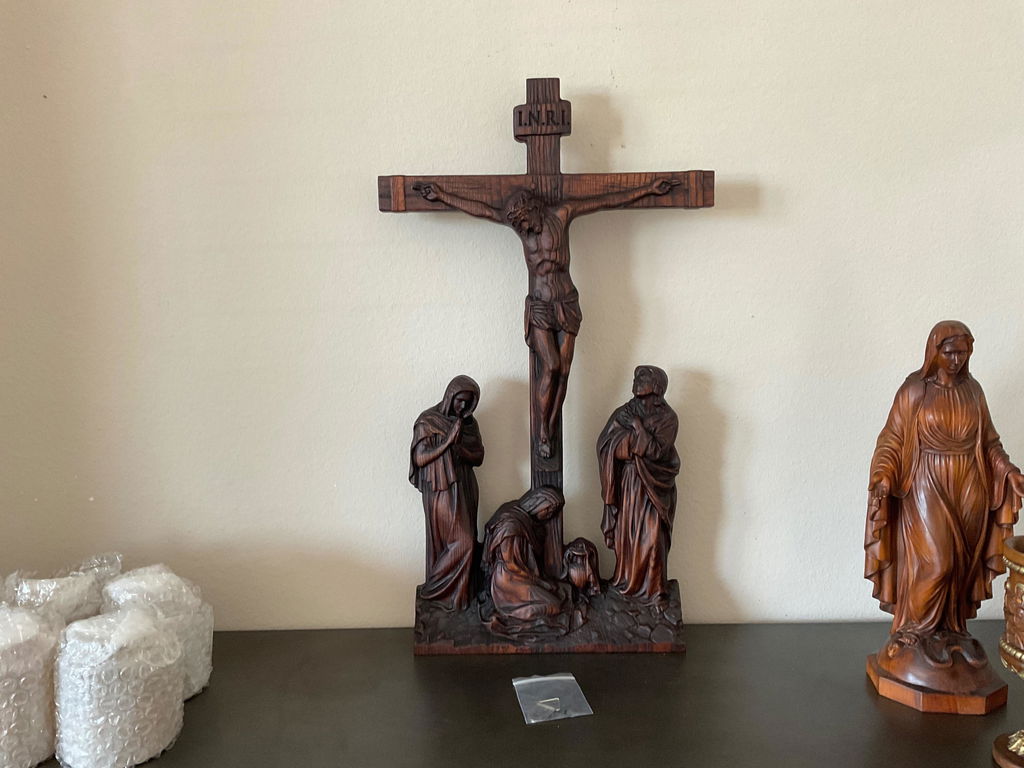
For those considering the piece in relation to an existing prayer area, the product page for the Our Lady of Graces wood carving offers additional views of its design. Looking at several angles can help you imagine how the relief and wood tone will relate to nearby objects and available light.
Placement Beyond the Prayer Corner
Religious wooden décor can also work in spaces used for welcome and rest. In an entryway, Marian imagery may quietly express the values of the household. In a bedroom, it can accompany morning or evening prayer. In a living room, it can form part of a considered arrangement without turning the whole room into a devotional display.
Give the piece a little open space around its outline so the carved form remains legible. Nearby materials with restrained textures generally support rather than compete with it. The design may also be paired with a small cross or family heirloom, especially when those objects share a personal story. Good placement is less about following a decorating formula than about choosing a location where the image will be encountered meaningfully.

A Faith-Inspired Gift with Room for a Story
A Miraculous Medal image may be appropriate for a range of Catholic gift occasions: a baptism, First Communion, Confirmation, wedding, house blessing, Mother’s Day, or a thank-you to a godparent or spiritual mentor. It may also be offered at a quieter moment, such as when someone is beginning a new chapter or needs reassurance that they are remembered in prayer.
The most meaningful presentation is often simple. A handwritten note can explain why the image was chosen, name a prayer intention, or recall a shared connection to Marian devotion. This turns the gift from a general decorative object into part of a relationship. It is wise, of course, to consider the recipient’s own beliefs and style; sacred art is most welcome when it respects both.
Because wood has a warm and familiar presence, a carved image can bridge devotional meaning and home aesthetics without feeling impersonal. It can become associated with a particular giver, milestone, or season of life. Over time, the story attached to the object may matter as much as its visual details.
A Quiet Image for Everyday Faith
The enduring appeal of Christian wood carving lies in this meeting of symbol, material, and daily setting. The Miraculous Medal recalls Mary as Our Lady of Graces; carved wood gives that image a grounded, domestic warmth; thoughtful placement makes room for a habit of prayer. None of these elements needs to be overstated.
In a calm corner of the home, the image can simply remain present—an invitation to remember grace, to bring another person to mind, and to return to prayer amid ordinary responsibilities. That quiet role is often what makes faith-inspired décor last: it does not demand attention, but it is there when attention is needed.